

You’ve probably already read the answer to “what is affiliate marketing?” somewhere. Brand collaborates with the partner, the partner promotes the product, the sale happens, and the commission gets paid. That part is correct.
But it’s also increasingly incomplete.
Harry Campbell didn’t build The Rideshare Guy—a media business reaching more than 200,000 gig economy drivers every month—by placing banner ads on a webpage. He built it by becoming the most trusted voice in a niche his audience couldn’t find anywhere else.
The brands that partner with him aren’t buying traffic. They’re buying his readers’ trust. Those readers convert because a recommendation from Harry carries weight, something a display ad never will.
That’s what modern affiliate marketing actually looks like. The mechanics are the same—brand, partner, commission, sale—but the programs outperforming their competitors aren’t running it like a transaction.
They’re running it as a full-funnel strategy, with partner types that look nothing like the coupon sites that defined the channel a decade ago.
What follows isn’t a definition. It’s an update for anyone whose mental model of this channel is a few years behind where the best programs already are.
What is affiliate marketing—really?
You’ve probably seen affiliate marketing defined as a simple mechanism. A publisher puts a tracking link in their content, a reader clicks it, and you pay a commission when that click converts. That’s not wrong, but if that’s your whole definition, you’re describing a channel that’s leaving value on the table.
For years, that transactional model was the whole story. You saw how it played out with coupon sites, cashback portals, and browser extensions. You watched partners show up at the end of the customer journey, capture a click that was already going to happen, and collect the last-click commission.
You likely tolerated it because the ROI math worked on paper. Even then, you probably suspected the truth. The partners who were creating real value were not getting the credit.
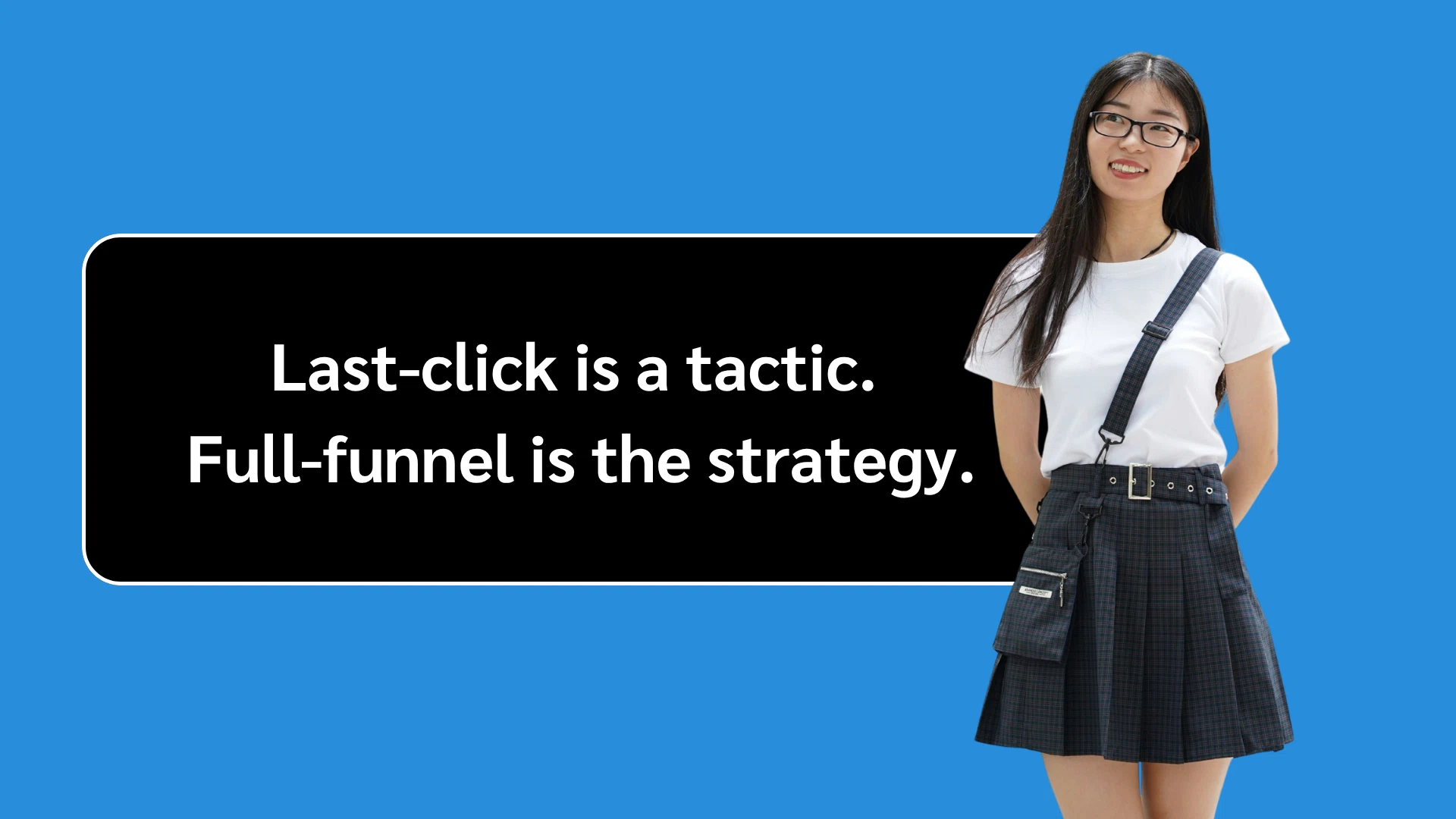
That model still exists, but it no longer represents what your affiliate program could be. Today, you can build a channel that spans the entire customer journey, from first discovery to final conversion. The partners you can work with aren’t just anonymous traffic sources. These partners have one thing in common—their audiences already trust them before you ever show up.
That trust is the mechanism the modern model runs on, and it’s what separates an affiliate referral from a paid impression. You can now collaborate with affiliate partners who have loyal audiences, including:
- Premium publishers lend editorial authority and reach to introduce your brand to massive, engaged audiences.
- Newsletter operators drive high-intent traffic through direct, personal recommendations to loyal subscriber bases.
- B2B software platforms generate high-value conversions by recommending your product within professional workflows.
- Influencers use personal trust to unlock new audiences and drive immediate purchase intent.

Source: Publishers like Nomadic Matt shape buying decisions by educating customers from the very start.
Affiliate marketing’s true appeal lies in the performance layer you control. You track every partner and pay them based on the measurable outcomes they drive for your business.
This allows you to build a strategic performance channel by partnering with affiliate partners to drive results across the full customer journey, paying only when those outcomes occur.
Who actually runs the modern affiliate channel?
The easiest way to understand how much affiliate marketing has changed is to look at who’s actually in the program.
Forget the old idea of paying someone to paste links on a website. A modern affiliate program is a massive revenue channel. It takes a few core players to make it work.
As the brand, you provide the product and the strategy. Partners bring the trust and the audience. A technology platform tracks every click and handles the payouts. Finally, the customer makes the purchase.
The brand
The brand’s role in a modern affiliate program goes well beyond setting commission rates. Your role becomes strategic. Instead of just managing transactions, you’re building a portfolio that can outpace your competitors. In this model, you are the one who:
- Recruit perfectly-aligned partners
- Equip partners for success
- Develop flexible commission strategies
- Track and attribute value across the full funnel
- Integrate partnerships across the business.
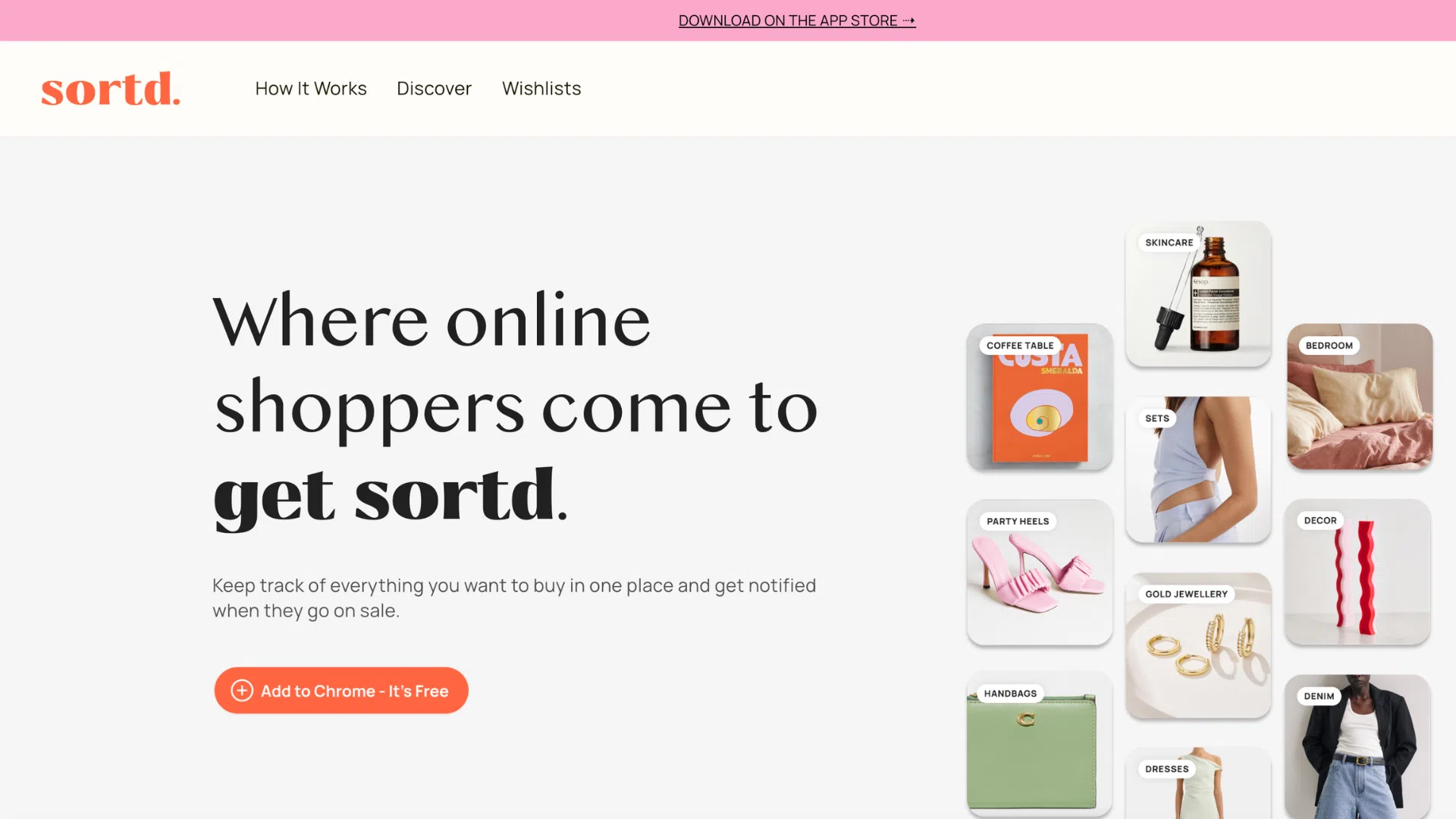
Source: Drive growth by diversifying your partner program. Include innovative technology solutions partners like Sortd.
The affiliate partner
This is where the modern model breaks most sharply from the old one. “Affiliate partner” used to conjure a fairly narrow image. It usually meant a coupon aggregator, a cashback site, or a browser extension that fired at checkout.
In a modern affiliate marketing program, you value partners at every stage:
- Top-funnel partners build awareness.
- Mid-funnel partners help with research and evaluation.
- Bottom-funnel partners help drive final sales.
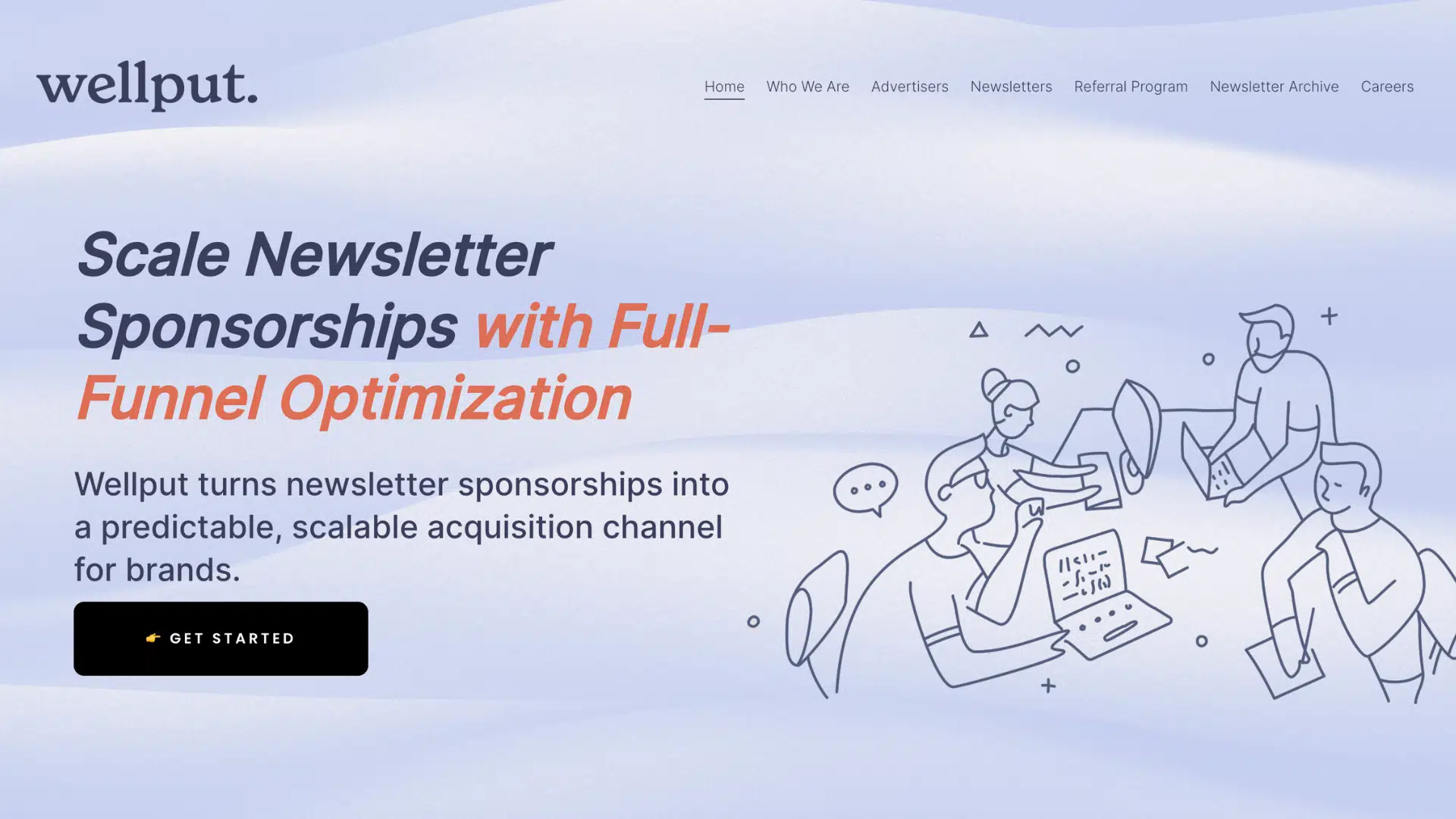
Source: Email partners like Wellput connect you with an audience that has already opted in to the conversation.
The table below breaks down just a few of the roles partners can play across the funnel.
| Partner type | What they do | Where they fit in the funnel | Why they work |
| Content creators and influencers | Showcase your product authentically to dedicated followers. | Top and mid-funnel | Masters of word-of-mouth, creating desire and social proof at scale. |
| Niche media publishers | Publish expert content for a specific, highly-engaged audience. | Mid-funnel | A trusted authority that builds brand credibility and awareness. |
| Newsletter and email publishers | Feature your product directly in the inbox of their loyal subscribers. | Mid and lower funnel | Direct access to a curated audience that opted in to that topic. |
| Content bloggers | Write detailed articles and reviews that educate and build confidence. | Top and mid-funnel | Build deep trust by answering a customer’s specific questions. |
| Loyalty and cashback platforms | Incentivize your existing customers to buy from you again. | Lower funnel | A powerful, cost-effective tool for increasing customer lifetime value. |
| Coupon and deal sites | Use discounts and offers to create urgency and convert hesitant shoppers. | Bottom funnel | Provide the final nudge needed to turn a browser into a buyer. |
| B2B technology partners | Integrate your solution directly into their own technology platform. | Full funnel | A direct path to your product from within a tool customers already trust. |
That list looks nothing like the “affiliate = coupon site” model you might initially assume. That’s the point. You track and compensate every partner type, regardless of format or audience, according to outcomes.
The consumer
The consumer is the end user who clicks an affiliate link and takes a desired action. This action could be a purchase, a sign-up, or a download. In the channel mechanics, they’re the final step. But their role is more significant than that framing suggests.
The consumer’s path to conversion runs through a voice they already trust. They didn’t click a banner ad. They followed a recommendation from an influencer they subscribe to, a newsletter they opted into, or a publisher they turn to when researching a decision.

Source: Consumers trust publishers like The Chalk Board. These voices guide the path to conversion.
The endorsement is the ad. Remove the trust between the partner and the audience, and the whole mechanism stops working.
That’s why your partner selection matters as much as commission structure. The consumer never sees the program. They only see the partner.
The secret player: The management solution
Modern affiliate programs don’t run on spreadsheets.
If you run a program with hundreds of partners, it can get complicated fast. Each partner has different commission structures, contract terms, and attribution windows.
Choosing the right technology solution streamlines partner management. Selecting the right one depends on your business’s size, goals, and the complexity of your partner mix. However, a good solution provides the following:
- Vetted marketplace to access a diverse network of ready-to-work partners.
- Automated contracting to streamline negotiations and ensure timely payments.
- Centralized tracking to monitor performance in one place across all partner types.
- Accurate attribution to properly credit partners across the entire conversion path.
- Fraud protection to actively detect and prevent fraudulent activity.
- Actionable reporting to use data to optimize performance and reallocate spend.
This visibility is what separates a program that grows from one that plateaus.

Source: Platforms like impact.com offer a Marketplace with a network of over 300K+ vetted and verified global partners.
3 key management solution options framework
There are three main approaches brands take, and each involves real trade-offs:
| Solution type | How it works | Pros | Cons |
| Affiliate network | A marketplace where brands and publishers find each other, with built-in tracking and payment infrastructure | – Large existing publisher base – Lower setup effort – Familiar to many partners | – Limited visibility and control – Shared environment means less differentiation – Harder to manage complex partner relationships |
| In-house tracking | Brand builds and maintains its own tracking and payment infrastructure internally | – Full control over data and partner relationships – No platform fees | – High technical overhead – Requires dedicated engineering resources – Difficult to scale – Prone to tracking gaps |
| Partnership management platform (SaaS) | A dedicated software platform that manages the full partner lifecycle — recruitment, contracting, tracking, payments, and optimization — across all partner types | – Full-funnel visibility – Supports partner diversity – Active fraud protection- Scales with program complexity | – Higher investment than a basic network – Requires onboarding and setup |
How does modern affiliate marketing actually work? A step-by-step look
Most explanations of how affiliate marketing works stop at the tracking link. Click happens, commission gets paid, story over.
What that glosses over is everything a well-run modern program actually involves, from equipping partners for authentic promotion to using technology that tracks every measurable outcome. Here’s how the modern mechanics look:
Step 1: Your brand sets the stage
Before any partner can start promoting, you need to build a strong foundation. This means defining the rules of engagement and providing the tools necessary for success. The following outlines the essential components a brand must prepare:
| How do you set the stage | Why it’s important | Best practices |
| Define clear terms | Predictable terms attract quality partners and prevent future conflicts. | – Reward different outcomes (e.g., leads, new customers) – Align payout to partner value – Clearly define commission structure and payment schedules |
| Equip partners for success | Partners promote more effectively when they have accurate, on-brand resources to work with. | – Give partners access to up-to-date, accurate imagery and product information – Let partners build Storefronts tailored to their specific audience – Surface time-sensitive offers so partners can activate deals at the right moment |
| Provide reliable tracking | Without accurate tracking, you can’t attribute outcomes correctly, pay partners fairly, or optimize performance. | – Tag every partner link so clicks, browsing behavior, and conversions are connected back to the right partner – Track in real time so attribution is accurate, and disputes are minimized – Ensure every conversion is tied to the content and partner that drove it |
| Use data to optimize in real time | Programs that adjust based on performance data consistently outperform those that don’t. | – Monitor which partner types are driving new customer acquisition vs. retargeting existing ones – Reallocate budget toward what’s performing – Adjust commission structures based on partner value, not assumptions |
Taking the time to establish these elements upfront removes friction and sets clear performance expectations. With the groundwork laid, your brand is positioned to attract high-quality partners and launch a scalable program. This strategic foundation is what separates a modern, full-funnel program from a last-click liability.
Step 2: The partner endorses and promotes your brand
Once the program is live, partners do what they’ve already been doing. They create content that weaves your brand into authentic narratives for audiences they’ve spent years earning their trust.
The real work happened long before the brand showed up. To make this influence measurable, every piece of content contains a unique, trackable affiliate link.
This is the technical bridge that connects their promotional efforts to your sales data. It allows you to see exactly how each partner plays their specialized role.
- Trusted bloggers (e.g., The Savvy Globetrotter) introduce your product through compelling stories, creating initial awareness.
- Industry experts (e.g., The Rideshare Guy) validate your product’s quality through an in-depth review, building credibility.
- Influencers (e.g., Locs and the City) showcase your product in real-world settings, helping customers visualize its benefits.
- Comparison sites (e.g., Insurify) stack your product against competitors, highlighting your unique advantages.
- Coupon partners (e.g., Slickdeals) provide the final incentive that converts an interested shopper into a buyer.
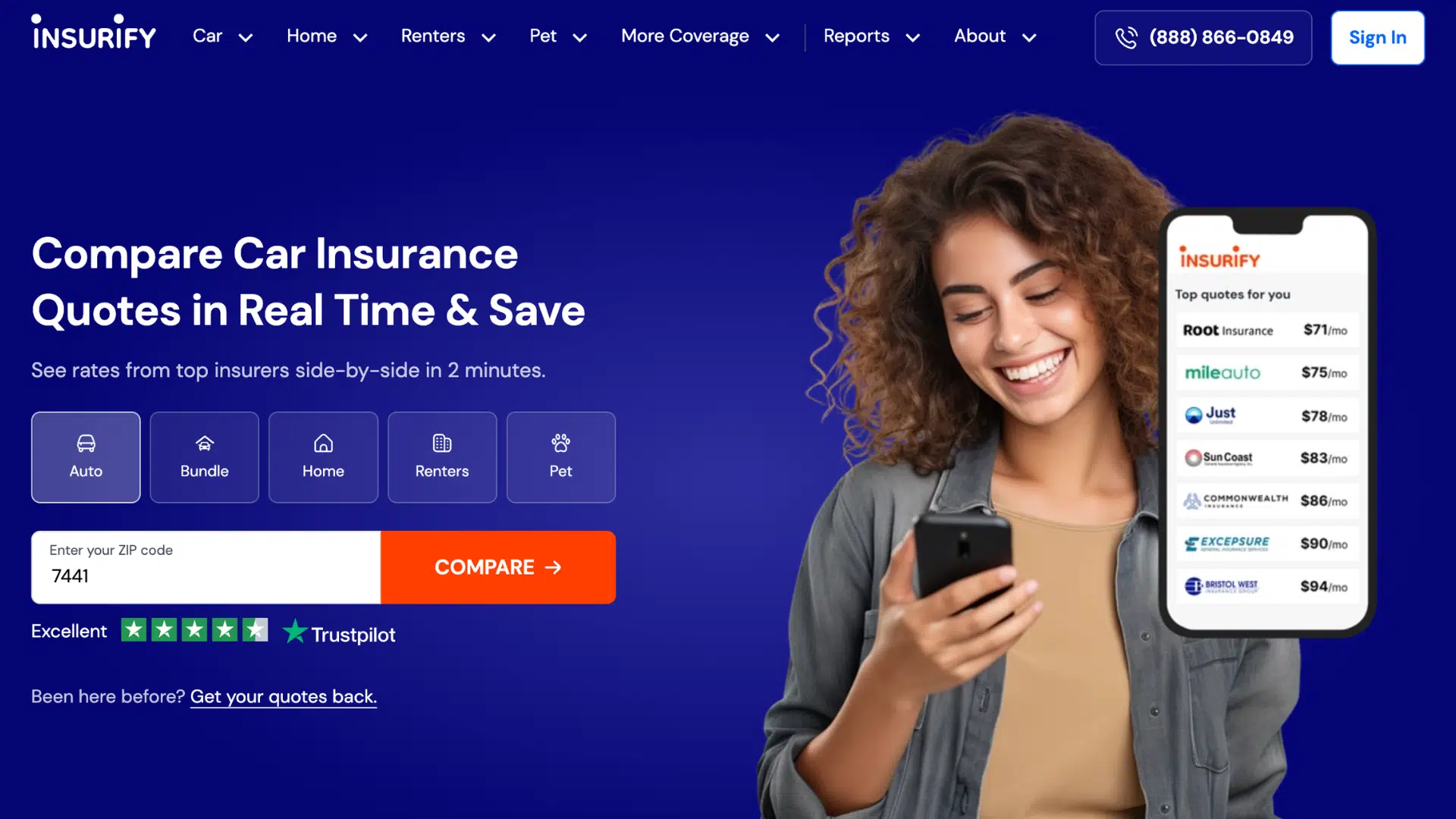
Source: Comparison site, Insurify
This full funnel mechanic avoids the last click trap by using a partner who already earned audience trust before your brand showed up.
Step 3: The consumer clicks and converts based on deep trust
The consumer clicks the link because someone they trust recommended something worth acting on.
That context matters more than most marketers give it credit for. Whether it is a subscriber who opens every issue or a loyal follower who trusts the creator’s recommendations, the hard work is already done by the time they click. The partner did it long before the brand showed up.
That’s what drives conversion rates in affiliate programs above other paid channels. Not the technology. The relationship. Brands that reward this genuine trust are the ones quietly outpacing competitors who remain stuck in a last click mindset.
Step 4: The management solution tracks the sale and pays the partner
Once a consumer converts, the program needs to answer three questions accurately and fast:
- Which partner drove that outcome
- What they’re owed
- How to pay them
These can be answered by the management solution you choose. Accurate attribution helps you understand which partners introduced your brand, which helped a customer consider a purchase, and which ultimately closed the sale.
Detailed reporting translates that attribution data into the answers you need to optimize your program. These insights show you exactly which partners are creating the most value at each stage of the funnel. This allows you to make smarter recruitment and investment decisions.
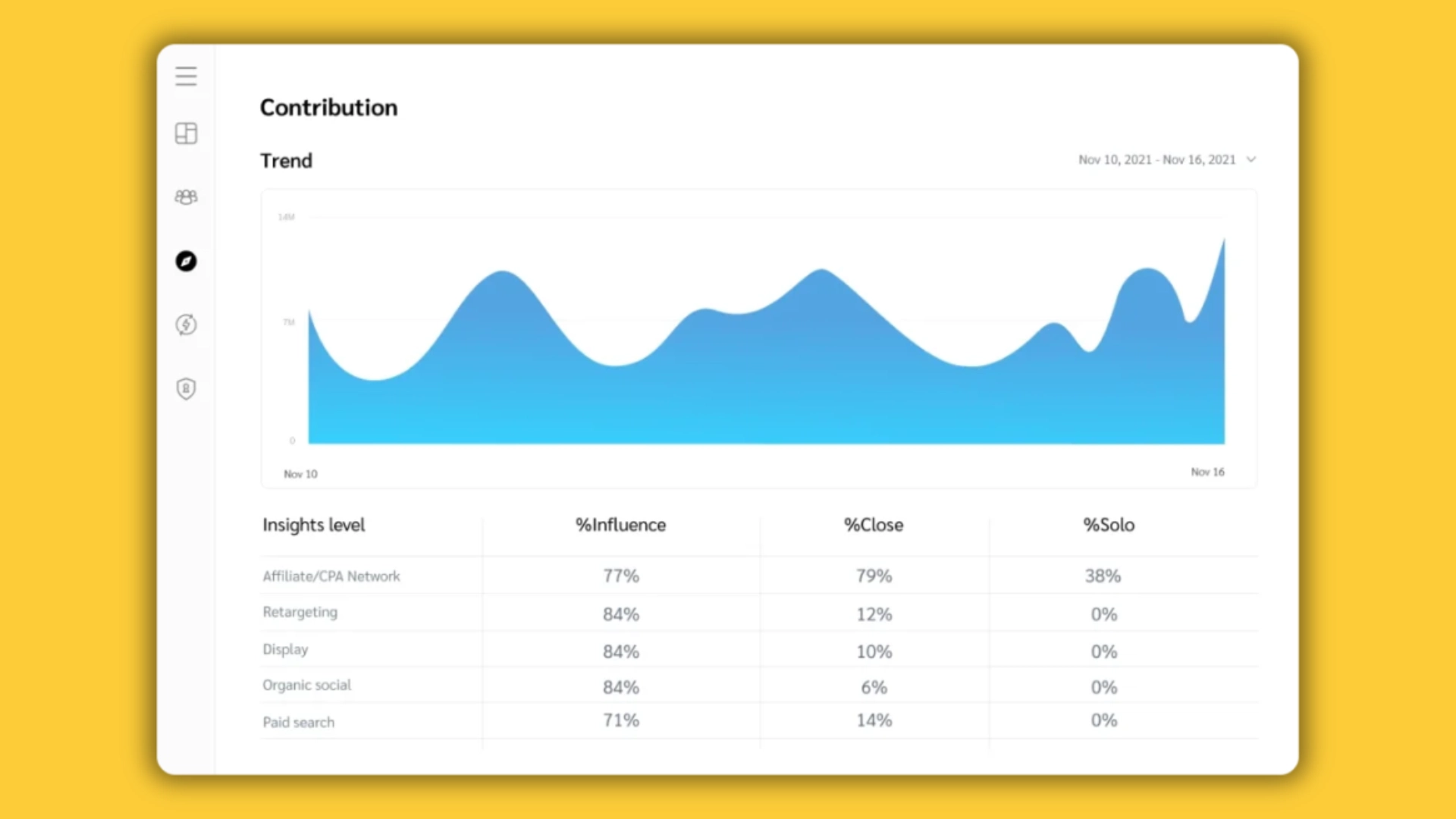
Description: The Contribution Report reveals which partners drive incremental value across the entire funnel.
With this information, you can finally reward partners accurately. Flexible commission structures automate payments to every partner who influenced a sale. This guarantees the entire path is valued and compensated.
However, not all management solutions offer the same level of strategic control. Your ability to execute your strategy depends heavily on the platform you choose.
| Capability | Affiliate networks | In-house solution | Partnership management platform |
| Attribution flexibility | Often limited to last-click or basic models. | Fully customizable, but requires massive engineering resources to build and maintain. | Offers a full suite of flexible models (first-click, multi-touch, custom) out of the box. |
| Reporting and insights | Standardized reports that often lack deep, granular detail on the customer journey. | Completely custom reporting, but requires data science resources to generate insights. | Provides deep, real-time reporting on the entire funnel and partner performance. |
| Partners payments | Automated payments, but typically based on rigid, last-click rules. | Requires building a complex and secure global payment system from scratch. | Automates complex, multi-touch commission payouts globally. |
What are the benefits of affiliate marketing—and why does the modern model outperform the old one?
The core benefits of affiliate marketing haven’t changed. What’s changed is how much those benefits are worth right now. With CPMs rising and consumer trust in advertising at a low, a channel that pays only for results and runs on earned trust looks very different from what it did five years ago.
For brands: A scalable, high-trust revenue channel
Affiliate marketing has always been cost-efficient. What’s changed is the quality of what that efficiency now buys you.
You pay for outcomes, not exposure
When you pay for impressions, you’re buying the possibility of attention. When you pay a partner commission, you’re buying a confirmed outcome. According to the impact.com’s 2025 State of Affiliate Marketing report, 71% of brands find affiliate marketing more cost-effective than other marketing channels, and 66% report stronger ROAS.
The endorsement is earned, not purchased—and consumers know the difference
A recommendation from a partner someone chose to follow borrows trust that no ad purchase can manufacture. The report also found that 26% of marketers pointed to the growing importance of trust and authenticity in affiliate promotions. The brands investing in trust-based partnerships are recognizing something their competitors haven’t fully priced in yet.
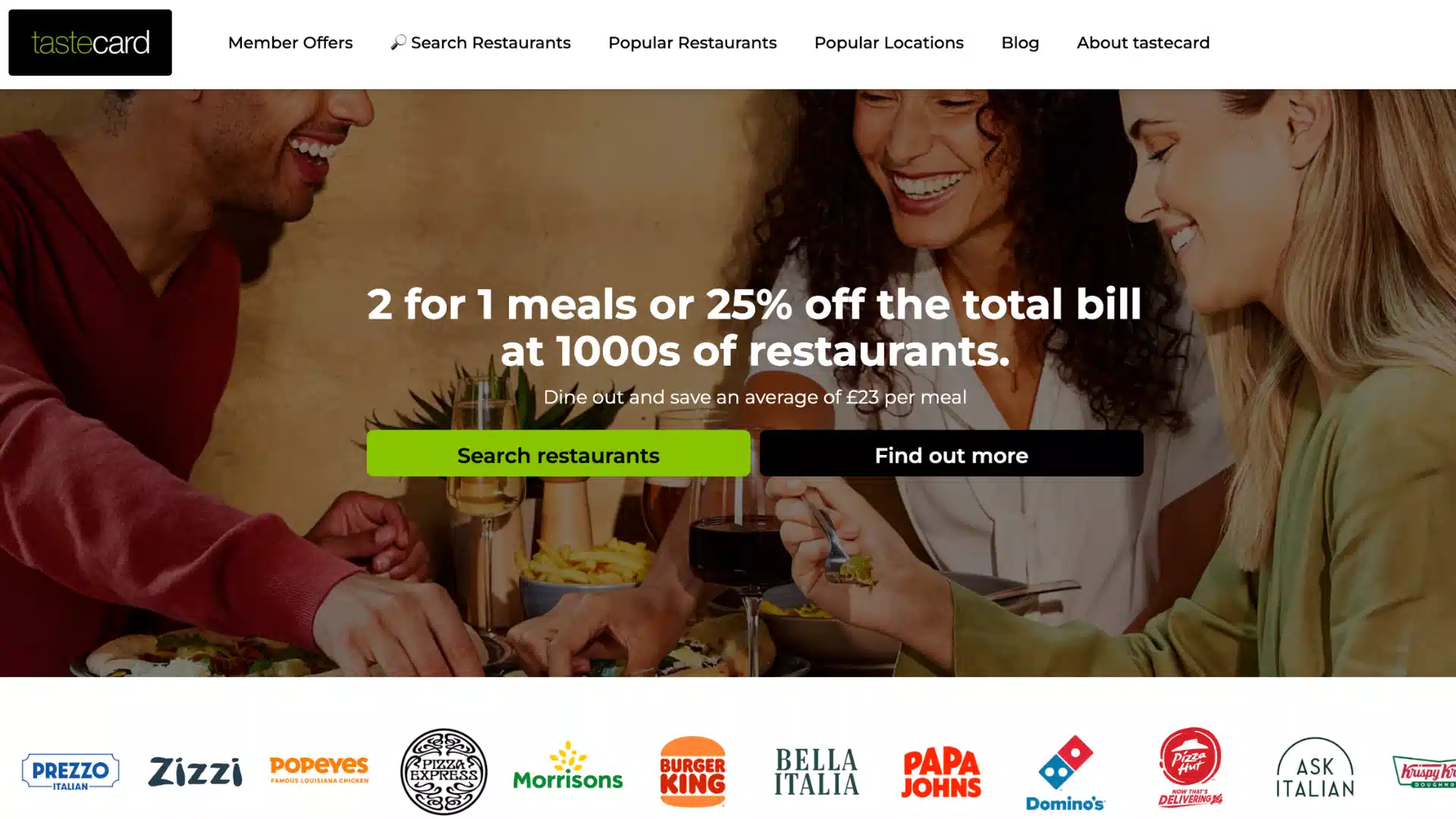
Source: Partnering with reward sites like tastecard lets you borrow their trust.
A distributed marketing team reaching niches no in-house team can staff for
No in-house marketing department, no matter how well-resourced, can authentically speak to every micro-community or niche audience. Partners solve this by acting as a distributed extension of your brand.
They have access to highly engaged, specialized communities where they already hold deep trust and influence. Leading brands recognize that capturing these diverse audiences requires a multifaceted approach. In fact, data from the report reveals that brands now collaborate with an average of 3–4 different partner types simultaneously. This creates a partner mix that engages customers from discovery through retention.
For partners: Build a business, not just an audience
For affiliate partners, affiliate marketing offers something most monetization models don’t. It provides a revenue stream that actually compounds over time.
Income that keeps working after the content stops
Ad revenue drops when algorithms change. Brand deals end. Affiliate income from a well-placed review or recommendation can keep converting long after the content was published. The same research analysis shows that affiliate marketing is now a top-four revenue strategy for creators globally. Those who treat it seriously aren’t just supplementing their income—they’re anchoring it.
No ceiling on earnings
There’s no ceiling on what your well-built affiliate business can earn, and no floor it has to operate from. No office, no fixed hours, no employer. The data confirms this. Experienced creators increasingly shift toward hybrid and flat-fee compensation. This signals that established partners have built enough leverage to negotiate on their own terms. That is what a business looks like.
Real recommendations and real returns
The creators who earn the most from affiliate marketing are those with audiences that listen. That distinction matters more than you might realize. The report backs this up. Creators ranked staying authentic as one of their top challenges when working with brands. They know the stakes are high. A single bad recommendation destroys more trust than a commission check can fix.
FAQs:
Affiliate marketing is a performance-based marketing model in which a brand pays a commission to a partner for generating a specific, measurable action, such as a sale or a lead. It is a strategic partnership built on trust, where a partner promotes a product or service they believe in to their audience.
The affiliate marketing process works through a unique, trackable link assigned to each partner. This partner promotes a brand’s product, and when a consumer clicks that link and makes a purchase, a technology platform records the transaction and attributes the sale to the correct partner, who then earns a commission.
The primary benefits of affiliate marketing include its performance-based model, which pays only for measurable results, and its ability to build significant trust through authentic third-party validation. It allows brands to reach new, targeted audiences cost-effectively and scale their growth by leveraging a diverse mix of partners.
Harry Campbell runs The Rideshare Guy, a blog, podcast, and YouTube channel reaching more than 200,000 gig economy drivers. When he recommends a product or service to his audience, he does so through a unique tracking link. When a reader clicks that link and completes a purchase or sign-up, the brand pays Harry a commission. The brand gets access to a highly targeted, trust-based audience. Harry gets paid for the outcome, not the impression.
Affiliate marketing is not a checkout tactic. It is a full funnel strategy.
Brands running last-click attribution are paying full commission to the coupon site that appears right at checkout. They pay nothing to the creator who built the purchase intent three touchpoints earlier. This is a budget problem rather than a simple measurement flaw.
You are burning thousands of dollars a month paying for sales you likely would have secured anyway. Every dollar spent rewarding a final click is a dollar stolen from the partners who actually drive new growth. Affiliate marketing is a powerful tool when you stop treating it like a cheap checkout tactic.
Brands using it as a full funnel strategy are quietly outpacing their competitors. They put their money where the real influence happens. The challenge for your brand is simple. You can keep limiting this channel to a bottom of the funnel afterthought. Or you can build a full funnel strategy that drives value at every single step of the buyer journey.
Further readings:
- Affiliate marketing: How to give your businesses the strategic edge (blog)
- Partner marketing examples: 12 proven strategies to grow your brand in 2025 (blog)
- How to make your partnerships program attractive to partners (worksheet)
- How to find affiliate partners: 6 modern strategies for high-impact growth (blog)
- How modern marketers can boost campaign effectiveness with performance marketing attribution (blog)
- How to build an affiliate marketing commission strategy by ignoring your competitors (blog)