

A reported 81 percent of consumers say they won’t buy from brands they don’t trust. a powerful reminder of why affiliate marketing compliance is critical for protecting your brand reputation in affiliate marketing. In today’s competitive marketplace, even a single compliance misstep can lead to lost trust, regulatory scrutiny, and lasting damage to your customer relationships.
Think about what’s actually happening in affiliate marketing: people share your brand message outside your company. Affiliates promote your products, create content, and represent your brand—often with limited direct oversight. That’s an enormous amount of trust to place in partners’ hands. And when an affiliate makes misleading claims, shares unauthorized discounts, or misrepresents your offerings, it’s your reputation and bottom line that suffer the consequences.
The risks are tangible. Misleading promotions don’t just irritate customers—they can violate regulatory standards. Unauthorized discount codes directly impact your margins.
So how do you keep things under control without limiting the growth potential of your affiliate program? The answer lies in developing strong, systematic compliance strategies that protect your brand without stifling growth. Let’s break down five key approaches that help brands maintain trust, mitigate risks, and build long-lasting affiliate relationships that drive sustainable results.
1. Set clear communication and affiliate marketing compliance guidelines
Affiliate partnerships are like any relationship—they thrive on clear communication. Partners will make mistakes if they don’t fully understand your brand values and compliance expectations. Here’s how to get it right:
Document your compliance standards. Detail your brand voice, messaging rules, and restrictions (such as avoiding misleading promotions or unauthorized discount codes). Include specific examples of compliant vs non-compliant practices so that affiliates can easily understand the dos and don’ts.

The Terms of Service clearly outline what is expected of affiliate partners and what behaviors are prohibited.
Create a branded affiliate handbook that outlines acceptable practices, promotional dos and don’ts, and disclosure requirements. Supplement the handbook with a quick reference guide or checklist that affiliates can refer to before launching campaigns.
Share pre-approved content. A library of on-brand images, ad copy, and landing pages can minimize off-message promotions. By providing these assets, affiliates can quickly and easily integrate compliant materials without creating their own, reducing the likelihood of inconsistency.
Set up a direct support channel. Make it easy for affiliates to contact them with questions about compliance. This could be a dedicated email address or live chat function within your affiliate platform, ensuring that affiliates feel supported and can get clarity on guidelines.

Management platforms such as impact.com have in-app messaging to get in touch with partners faster (and vice-versa)
When expectations are crystal clear, affiliates have a better chance of staying on track.
2. Implement regular affiliate compliance monitoring and audits
Even with guidelines, it’s impossible to manually track every affiliate’s activity. That’s where monitoring tools and audits come in.
A more structured approach to reviewing and assessing affiliate campaigns helps you maintain a high standard of compliance. Here’s what works best:
Use compliance monitoring tools to flag violations such as unauthorized promotions or keyword misuse. These tools The impact.com platform offers built-in Protect tools, allowing you to receive alerts in real time and step in before any violations escalate. Stio, for instance, reduced publisher expenses by blacklisting exclusive and non-affiliate codes through the Promo Codes extension list. Similarly, Castlery effectively prevented unauthorized brand bidding by utilizing impact.com’s Paid Search Monitoring feature.
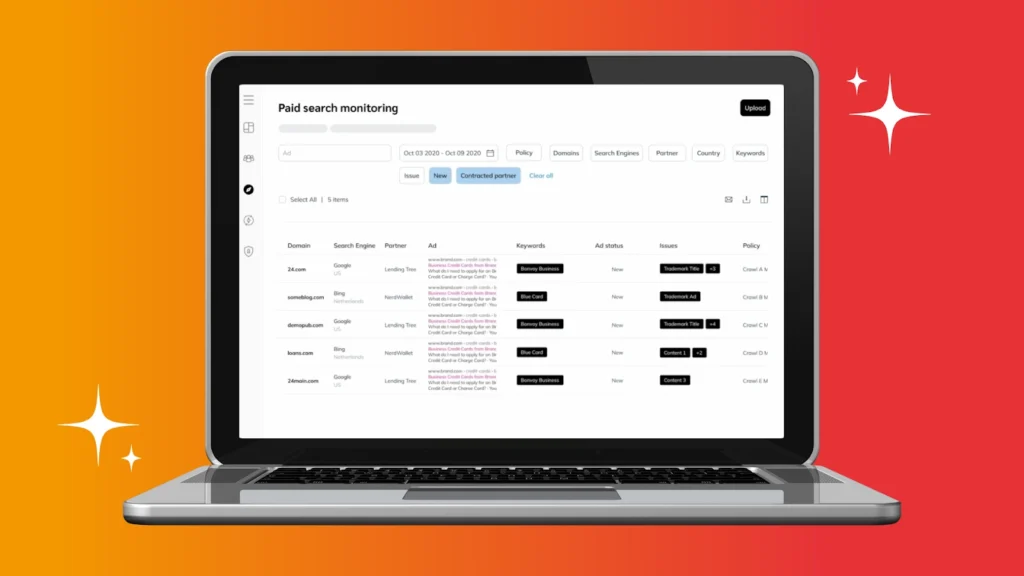
Paid Search Monitoring tells you when your partners or other non-contracted publishers use your keywords in their paid search ads
Conduct regular affiliate audits. Reviewing landing pages, ad copy, and partner posts helps confirm they align with your brand values. Schedule these audits monthly or quarterly to maintain a consistent compliance check-in rhythm.
Set up automatic alerts. Tools that detect suspicious traffic or misleading claims can catch compliance breaches before they escalate. Alerts might include unusual traffic spikes, unapproved promo codes, or ads that don’t meet your content standards.

With impact.com’s Invalid Traffic detection, you gain real-time insights into suspicious traffic sources, with prompt identification of high-risk events, from bot clicks to cookie stuffing.
By monitoring affiliate activity, brands can prevent issues before they become reputation-damaging mistakes. Plus, keeping detailed records of all audit results helps you track improvements over time and show proof of compliance efforts when necessary.
3. Invest in continuous affiliate training
Shifting consumer behaviors, regulatory updates, and emerging industry trends present ongoing challenges that make continuous training essential. Without consistent education, even the most well-meaning affiliates can fall behind, leading to compliance issues or underperforming campaigns. Prioritizing ongoing training helps affiliates remain informed and adaptive, and benefits your brand from strategic, high-quality partnerships.
Here’s how to create a robust, ongoing training program that drives results:
Develop an evolving training curriculum. Training isn’t a one-and-done effort—create a dynamic curriculum that grows with industry trends and your business needs. Start with foundational content, such as compliance basics, then regularly update it to reflect new regulations, market shifts, and brand goals, keeping affiliates sharp and aligned.
Leverage accessible learning platforms Use scalable tools like PXA, the Partnerships Experience Academy from Impact.com. These platforms enable affiliates to engage with on-demand courses, certifications, and instructional materials to strengthen their compliance and performance knowledge. With beginner, intermediate, and advanced modules, you can cater to diverse experience levels while promoting continuous progress.
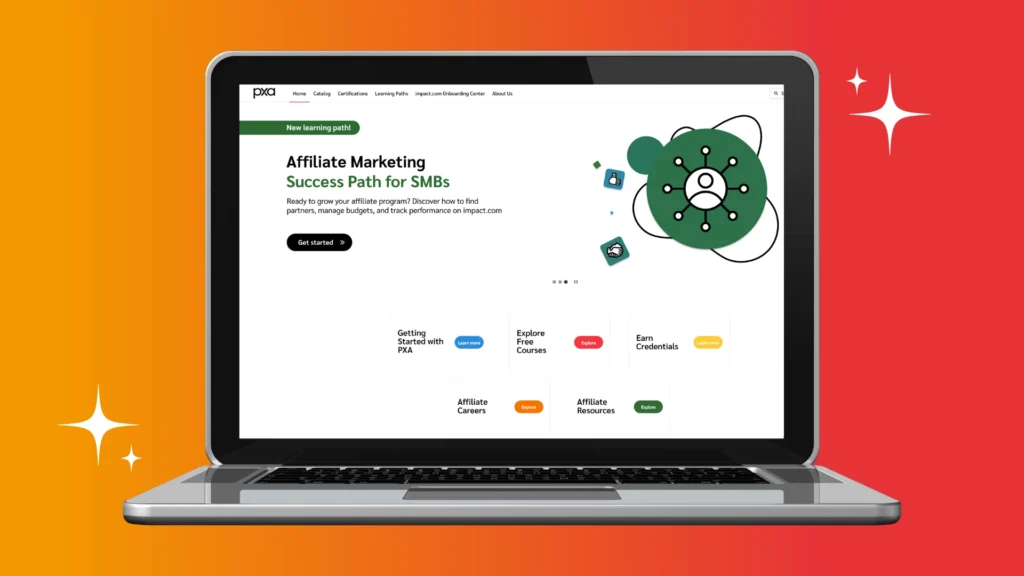
From beginner courses to in-depth strategic guidance, learn everything you need to know about affiliate marketing with PXA
Hosting virtual workshops. Interactive Q&A sessions give affiliates a chance to clarify compliance concerns. These workshops can be recorded so new affiliates can access them later, ensuring continuity in education.
Sending out updates. Features such as impact.com’s Newsletter make this process more effective by enabling targeted communication about program changes, promotional events, and regulation updates. B&Q used this tool to refine their strategies, tracking open rates and gathering feedback to enhance communication and maintain compliance.
The goal here is simple: the more tools and resources you give your affiliates, the less room there is for error. In the end, you want to build a team of well-equipped partners who know the rules and feel confident in applying them.
4. Strengthen compliance with risk assessment and management
Practical risk assessment and management are the backbone of any solid compliance strategy. Proactively identifying, evaluating, and mitigating risks can safeguard your brand’s credibility and ensure long-term success. Here’s a deeper look at how to implement risk assessment and management strategies that enforce compliance:
Map out potential risks. Identify common threats such as fraud, misleading claims, or IP misuse. Categorize them by severity and likelihood to prioritize mitigation efforts. For instance, flagging affiliates with past compliance violations or inconsistent traffic patterns can help you focus on high-priority risks.
Screen affiliates before onboarding. Evaluate all potential partners carefully before signing them up. Review their previous campaigns, audience demographics, and compliance history with other brands. Tools like impact.com’s vetting features can help you assess their fit. Verifying their alignment with your brand values helps you avoid onboarding risky affiliates.

Each partner in the impact.com Marketplace has a detailed profile to help you make informed decisions on who to collaborate with.
Create a clear escalation and enforcement roadmap. Clearly outline the consequences of non-compliance in affiliate agreements, such as warnings or commission pauses, to encourage accountability and deter violations.
Adapt and respond with agility. When a compliance issue arises, act swiftly. Quick action reduces potential damage, Whether requiring immediate corrections or suspending campaigns. Predefined response plans equip your team to handle incidents efficiently.
Ultimately, it’s about having a solid plan that keeps your brand’s reputation secure.
5. Implement feedback and improvement loops
No compliance strategy is foolproof. That’s why collecting feedback and continuously refining your approach is important. A feedback-driven approach keeps your compliance program evolving alongside changes in regulations, market trends, and affiliate needs. Here’s how to get started:
Set up affiliate-specific feedback dashboards. Provide affiliates with a personalized dashboard that displays their campaign performance and real-time adherence to guidelines. With clear metrics and actionable insights, affiliates can proactively address gaps before they become issues.
Create feedback channels. Let affiliates share compliance challenges and suggestions for clearer guidelines. Regular surveys or open Q&A sessions can uncover common pain points and improve clarity.
Create compliance scorecards for affiliates. Develop a simple scoring system based on compliance history, campaign performance, and responsiveness to feedback. Use these scorecards to reward high-performing partners or identify those needing additional training, ensuring a balanced approach to compliance accountability.

Use Dynamic Payouts to automatically adjust partner commissions up or down by 100+ factors
Run periodic compliance reviews. Advanced reporting tools, such as impact.com’s Data Lab, help create custom visualizations and combine data sets that answer your specific compliance questions. This way, you gain immediate insights into what’s working and what needs refinement.

Data Lab by impact.com | One sheet
Find out how to use impact.com’s Data Lab to audit and optimize your affiliate program.
By treating compliance as an evolving process rather than a one-time setup, brands can stay ahead of potential issues and strengthen affiliate relationships.
Protect your brand while scaling partnerships
Affiliate marketing is a powerful growth tool, but it comes with risks. Even a single misleading claim can damage a brand’s reputation without proper compliance measures.
Following these compliance strategies protects your brand’s integrity while scaling your affiliate program.
Ready to elevate your compliance strategies? Request a demo to learn about impact.com’s suite of tools to protect your brand at every level. From Paid Search Monitoring to Promo Code Monitoring, Web Monitoring, and the powerful Data Lab, you’ll have everything you need to keep your brand covered and successful.
Keep the momentum going! Explore more resources to protect your brand and drive sustainable growth:
Grow partnerships while mitigating compliance risk | One sheet
Navigating influencer marketing compliance in 2025 [+ how to automate campaign regulations] | Blog
Navigating privacy changes: impact.com’s blueprint for effective tracking | Blog
How to evaluate and optimize your partnership program | Worksheet
Safeguard your brand with always-on Social Monitoring | One-sheet
Affiliate Marketing Compliance FAQs
Affiliate marketing compliance refers to the set of laws, regulations, and best practices that govern how affiliate marketers promote products through affiliate links and affiliate content. It ensures campaigns remain transparent, protect consumer trust, and adhere to FTC disclosure rules and data privacy regulations. Maintaining compliance helps safeguard brand reputation, reduce compliance risk, and keep affiliate programs legally compliant across markets.
The Federal Trade Commission (FTC) enforces the Endorsement Guides and FTC disclosure rules, requiring affiliate marketers to clearly disclose material connections with brands. These regulatory frameworks prevent deceptive or misleading claims in affiliate content, ensuring consumers understand when endorsements are incentivized. Violating FTC standards can result in fines, warnings, or program termination.
Affiliate marketers must include clear, conspicuous disclosure statements near every affiliate link. For example: “This post contains affiliate links. I may earn a commission if you purchase through these links.” Following FTC disclosure rules and Affiliate Program Policies ensures full transparency and protects both affiliate programs and consumers from regulatory penalties.
Transparency builds consumer trust, mitigates reputational risks, and ensures affiliate program compliance under disclosure regulations. When affiliates openly disclose partnerships, audiences view recommendations as authentic rather than deceptive. Transparent affiliate content also satisfies regulatory oversight requirements from the FTC and other global authorities, fostering long-term brand protection.
Affiliate marketing is regulated by several Laws and Regulations, including the FTC Endorsement Guides in the U.S., GDPR and ePrivacy Directive in the European Union, and Advertising Standards Authority (ASA) rules in the UK. Other emerging frameworks like the Markets in Crypto-Assets Regulation (MiCA) and SEC Crypto Advertising Cases affect performance-based marketing in financial sectors. These ensure affiliates comply with data privacy, disclosure rules, and advertising truthfulness.
Typical affiliate compliance risks include incomplete disclosure statements, misleading ads, ad hijacking, and unauthorized branded keywords in affiliate campaigns. Other issues involve IP spoofing, forced clicks, cloaked websites, or violations of privacy laws. To mitigate risk, brands must use automated monitoring systems and conduct periodic Content Audits to maintain affiliate policy compliance.
Non-compliance can result in FTC penalties, removal from affiliate programs, loss of brand partnerships, and significant reputational risk. Financial consequences include fines, affiliate commission clawbacks, and legal action under data privacy or intellectual property rights laws. Maintaining affiliate rules compliance is essential for long-term credibility and brand safety.
Leading affiliate compliance software such as impact.com Protect, The Search Monitor, and BrandVerity detect compliance violations in real time. These AI-powered compliance and Big Data tools flag issues like URL hijacking, mobile attribution fraud, and unauthorized promo codes. By integrating automated monitoring systems, brands can reduce compliance risk while scaling global affiliate programs.
Global affiliate marketers must navigate multiple regulatory frameworks, from GDPR and ePrivacy Directive in the European Union to the Competition Bureau in Canada and ASA guidelines in the UK. These cross-border privacy laws and regulatory landscapes require localized disclosure rules and data privacy safeguards. For global affiliate programs, brands should use region-specific compliance policies and verify legal requirements before launch.