
What if your most influential fashion publishers are being systematically penalized by the very metrics you use to measure success?
Consider Strand. For decades, the Australian heritage brand was the go-to for luggage. But when they rebranded to simply “Strand,” they hit a wall. Shoppers didn’t see them as a fashion destination.
You’ve likely felt this pain. Your affiliate program is heavily reliant on cashback and coupon sites. It keeps hammering home the same “discount” message and rewards only the final click before a sale. That was Strand’s reality, too.
The turning point came when they shifted from chasing conversions to earning trust. By partnering with premium content publisher Are Media, Strand focused on authentic, editorial-style storytelling.
The result—as reported by the impact.com case study—was an anomaly that should have you questioning everything about your own data. The brand saw a staggering 89 percent increase in average order value.
Strand’s story proves a difficult truth. This isn’t a publisher problem but a measurement problem. By obsessing with the bottom of the funnel, you’re penalizing the high-trust publishers most capable of building your brand.
It proves that hidden in your data, under-rewarded and overlooked, are the publishers with the power to transform your growth.
The solution requires looking beyond the last-click and learning to measure what truly matters, which is the trust and demand your partners create. If a luggage brand can achieve this kind of transformation by changing what it measures, what are you leaving on the table?
Why your measurement model is broken
You suspect your affiliate numbers are lying to you. There’s a nagging feeling that you’re rewarding the wrong partners, but you can’t quite prove it. The problem isn’t your partners but the ruler you’re using to measure them.
The last-click model works on a simple but fatally flawed premise that the final touchpoint before a sale deserves 100 percent of the credit. You already know who wins in that scenario. It’s the coupon site that showed up in the last five minutes of a purchase that your content publisher spent three months building.
That’s the last-click model working exactly as designed, and it’s costing you your best partners.
This system measures the proximity to the ‘buy’ button. It’s a system built to reward the harvesters, not the growers. As a result, you’re left with critical blind spots:
- You’re ignoring the journey of discovery. Your model dismisses the crucial early interactions—the inspiration from an editorial feature, the validation from a trusted reviewer—that introduce and legitimize your brand.
- You’re devaluing brand desire. You’re accidentally defunding the very storytellers who create the emotional connection that leads to high-value customers.
- You’re misattributing influence. You’re rewarding the last step in a long journey instead of the most decisive one. This leaves you blind to who your most valuable partners really are.
This isn’t just a reporting issue, but also a strategic crisis. Your model is actively starving the very partners who fill your funnel and mistakes the final click for the entire journey itself.
Who last-click penalizes—and why it matters for fashion
If you’re going to solve your measurement problem, you first have to know who you’re fighting for. You need to recognize the valuable, high-trust publishers that last-click attribution systematically hides in plain sight.
These are the partners who build your brand and drive long-term value, even if your current reports don’t give them credit.
And you’re not the only one starting to see this. The industry’s leaders are looking beyond the last-click, too. In fact, data from the 2025 State of Affiliate Marketing Report by impact.com confirms a major shift in strategy. The report reveals that brands are projected to significantly increase their collaborations with content and reviews partners, marking it as one of the top partner types for future growth with a +11 percentage point (pp) net change.
So, let’s pull back the curtain. Here are the four types of publishers your current model is penalizing, and why they are the key to your brand’s future.
| Persona | Best for | Audience intent | Why last-click fails them |
| The style authority | Building conviction for high-value items. | Seeking quality, craftsmanship, and timeless style. | Their content influences high-AOV purchases over a long consideration period. |
| The value-driven voice | Building trust through shared values. | Looking for sustainable and ethically-made products. | They build deep brand loyalty that doesn’t convert in a single session. |
| The niche trendsetter | Creating demand for new and unique products. | Hunting for emerging designers and under-the-radar trends. | They introduce new customers who may take time to convert. |
| The mass-market stylist | Validating trends and teaching high-low mixing. | Finding the best value on current trends. | They create inspiration-led demand, distinct from pure discounters. |
1. The style authority
These partners are most likely to appear nowhere near the last-click but are most likely to have started the entire customer journey.
Think about the customer who just spent $800 on a new coat. Do you really believe the coupon site they clicked for free shipping deserves 100 percent of the credit? The journey started days, maybe even weeks, earlier. It may have begun when a reader saw your coat in an editorial roundup, bookmarked it, and started to build conviction.
That’s the work of a style authority. They are your online Vogues and your InStyles—the trusted sources who tell their audience not just what’s new, but what’s worth investing in.
When a reader bookmarks their article on Monday and finally converts through a different link on Friday, your last-click model rewards the final touchpoint. The style authority, the partner who actually created the high-value customer, gets nothing.
3 publishers who are shaping the style conversation
1. Shopping on Champagne
You want customers who build a wardrobe with purpose, not just chase a quick sale. That’s the audience Nancy from Shopping on Champagne cultivates. Her posts, like “Over 50? Best Fashion Essentials to Buy in 2025,” aren’t about impulse buys. They are about long-term investment pieces.
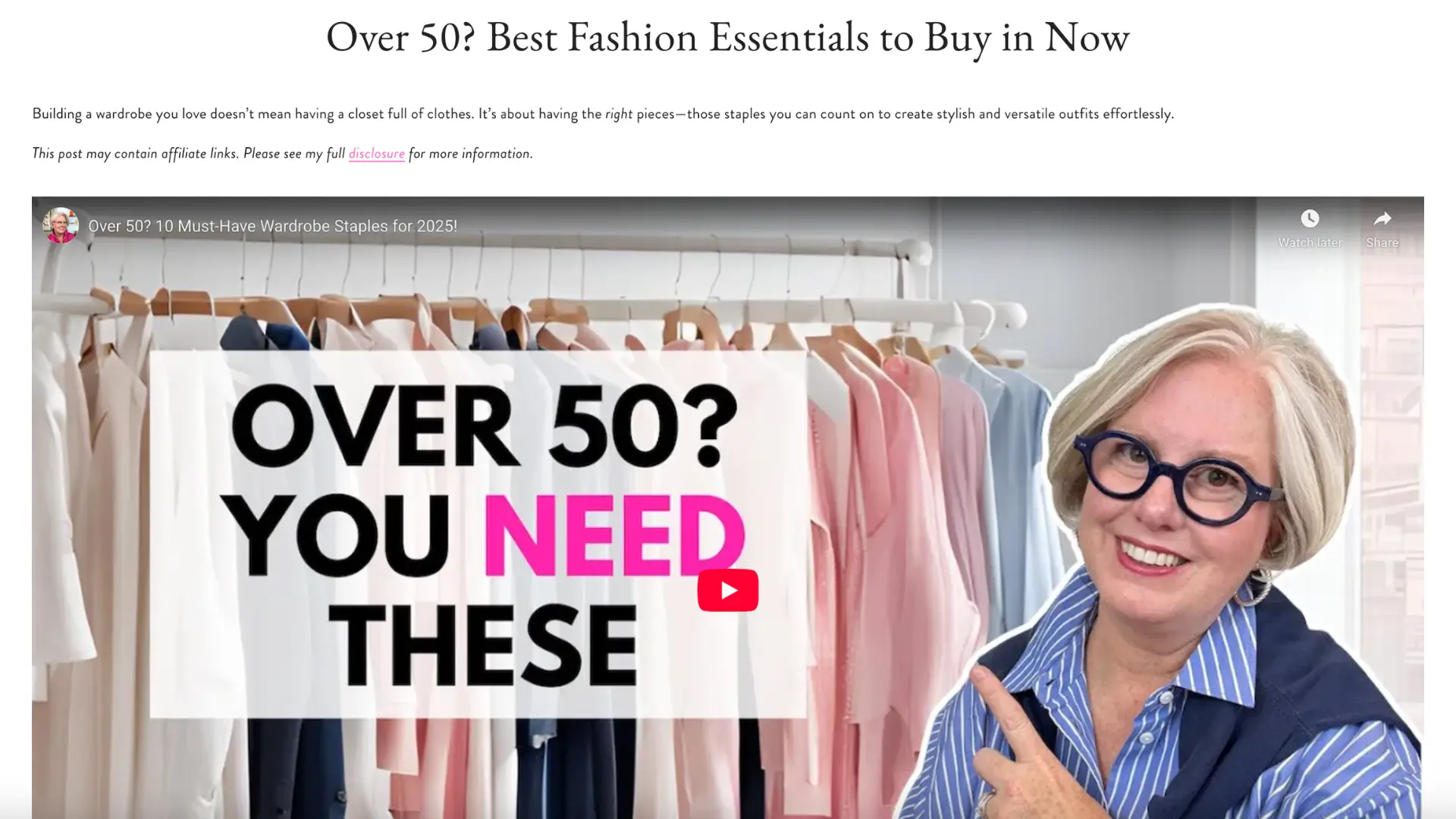
Source: Through perfectly curated content, style authority publishers create long-term appeal
This is patient, trust-building work. A reader might spend weeks considering a purchase based on her advice. When they finally buy, your last-click model will likely credit a search ad or a final promotional offer. This misses the fact that Nancy’s trusted guidance is the real reason you acquired a high-value customer.
| Metric | Value |
| Semrush global rank | 2.7M |
| Monthly visitors | 6.4K |
Note: Metrics sourced from the impact.com platform
Chubstr
Your brand wants to build a loyal community, but how do you reach audiences that mainstream fashion ignores? Look at Chubstr. It’s a vital style resource for big and tall men, and its power comes from a deep, authentic bond with its readers.
| Metric | Value |
| Semrush global rank | 4.3M |
| Monthly visitors | 2.3K |
| Moz domain authority | 55 |
Note: Metrics sourced from the impact.com platform
When Chubstr reviews a collection, they act as a trusted curator for a community that feels unseen. They do the hard work of finding the specific pieces that will fit and build confidence for their readers. That act of curation is where brand consideration is born, but it’s a moment your attribution model is completely blind to.
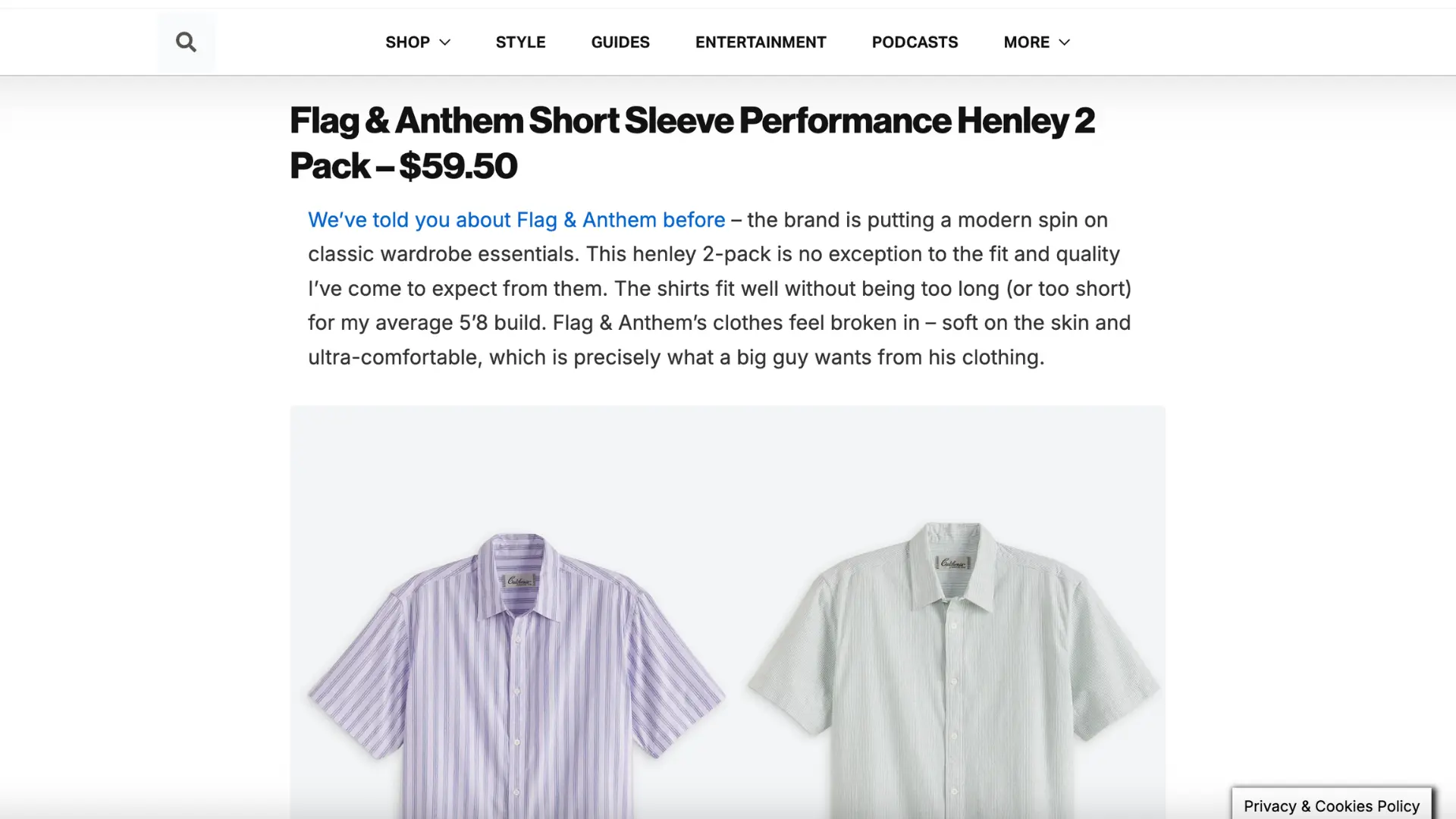
Source: Reviews like the breakdown of Stitch Fix’s summer collection show exactly how style authority operates
Our Fashion Garden
You should want to be part of your customers’ style identity. That’s the kind of deep connection Our Fashion Garden fosters. They show trends and teach the core principles of dressing well that empower readers to build their own unique style.
| Metric | Value |
| Semrush global rank | 377K |
| Monthly visitors | 99K |
Note: Metrics sourced from the impact.com platform
When they publish a guide on using color palettes, they solve a real problem for their audience and build lasting trust. That trust is what turns a reader into a loyal customer, but it’s an asset that last-click attribution can’t see or value. You get the sale, but you’re left wondering how you earned it.
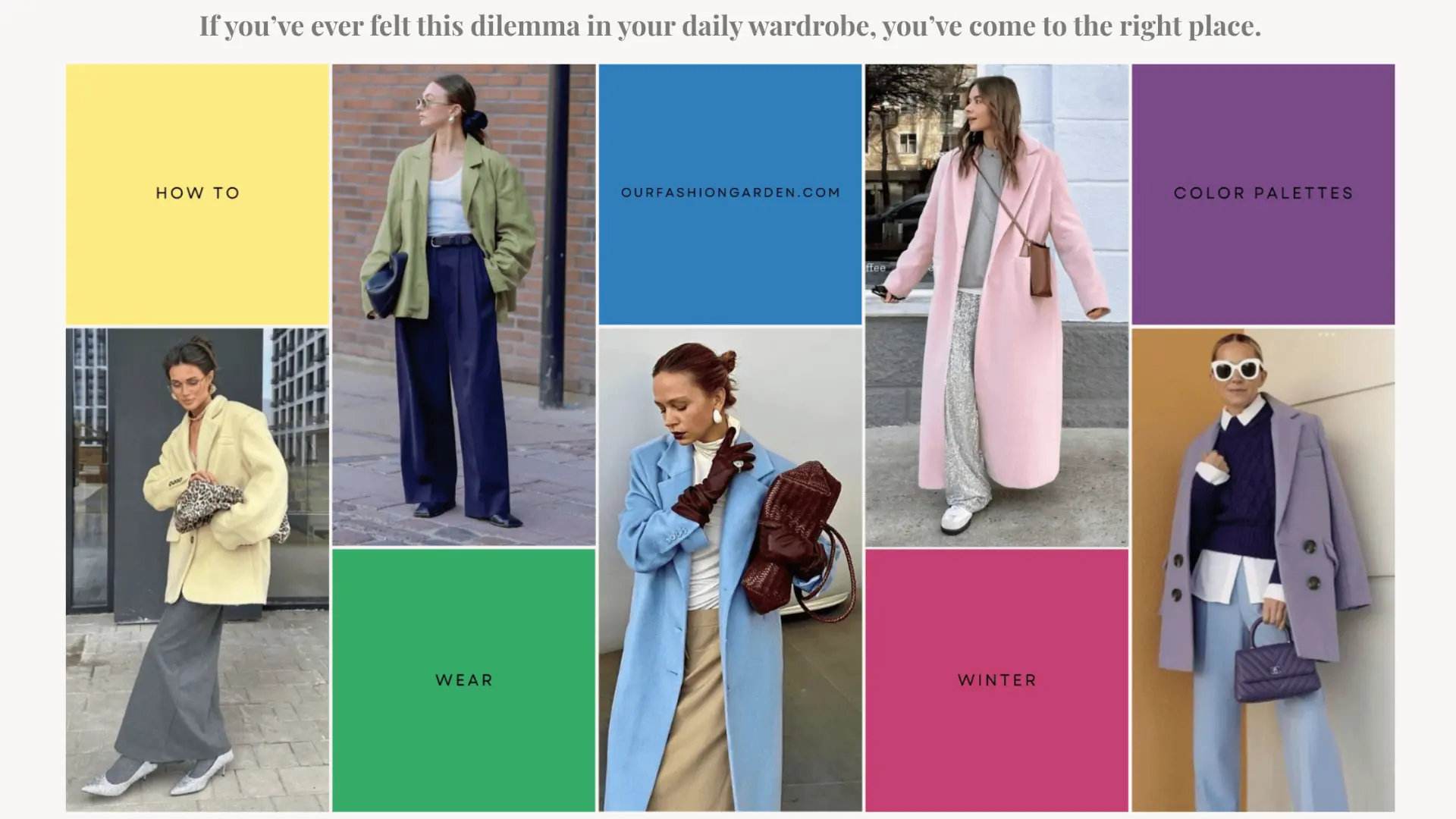
Source: Articles such as the winter color palette guides uplift shoppers’ confidence and foster a deep and lasting trust.
The value-driven voice
There are customers out there who want to buy from brands that align with their values. But how do you prove you’re one of them? The publishers who can make that case for you are the ones your measurement model is most likely to ignore.
These value-driven publishers build unshakable trust by doing the hard research that you can’t put in a social media ad. They investigate supply chains, certify ethical practices, and validate brand promises.
A reader might spend weeks researching your brand after reading an in-depth review from one of these sites. When they finally decide to purchase, they might click a link from a search ad or a simple promotional email.
Your last-click model gives 100 percent of the credit to that final, simple touchpoint. The partner who did the crucial work of earning that customer’s deep, value-based trust is made invisible.
3 publishers who are leading with their values
1. Eco-Stylist
Your fashion brand wants to reach shoppers who demand more than just style, but also want sustainability. “Sustainability” can feel like an empty buzzword. Eco-Stylist makes it real. They do the exhaustive research to certify brands across everything from fair labor to sustainable materials.
| Metric | Value |
| Semrush global rank | 1.2M |
| Monthly visitors | 23K |
Note: Metrics sourced from the impact.com platform
When they give your brand a positive rating, they are providing a stamp of approval that cuts through the marketing noise. This builds a powerful, values-based conviction. Because this conviction is built over time through research and consideration, the final purchase is often attributed to a lower-funnel channel. This leaves you blind to the partner who truly earned you that loyal customer.
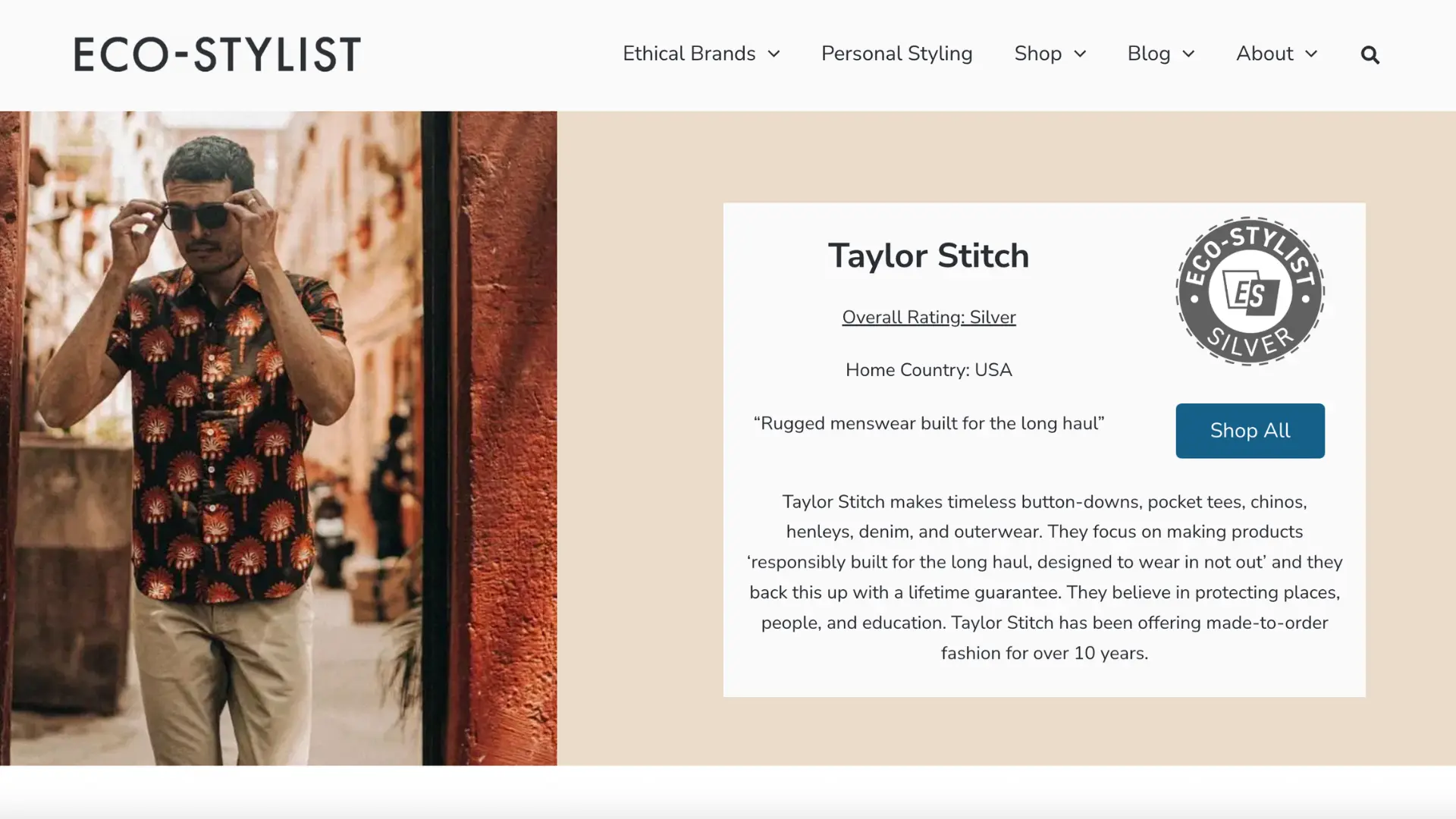
Source: Deep dives into brands like Taylor Stitch empower readers to make purchases aligned with shared principles.

Taylor Stitch achieved a 1,700% return on ad spend
See how they drove growth by finding and recruiting the right content partners.
2. Nature Kids Co.
For parents, “safe” and “non-toxic” are non-negotiable. You know that earning their trust is paramount. Nature Kids Co. serves this community by providing meticulously researched guidance on safe products, especially for children.
| Metric | Value |
| Semrush global rank | 6.1M |
| Monthly visitors | 1.2K |
Note: Metrics sourced from the impact.com platform
When they include your organic cotton onesies in their “Non-Toxic Baby Registry Checklist,” they are giving a seal of approval that new parents deeply rely on. This shapes purchase decisions long before the baby shower and the final click. Your attribution model will likely credit a gift registry or a direct site visit, and miss the foundational role this partner played in getting you into that nursery in the first place.
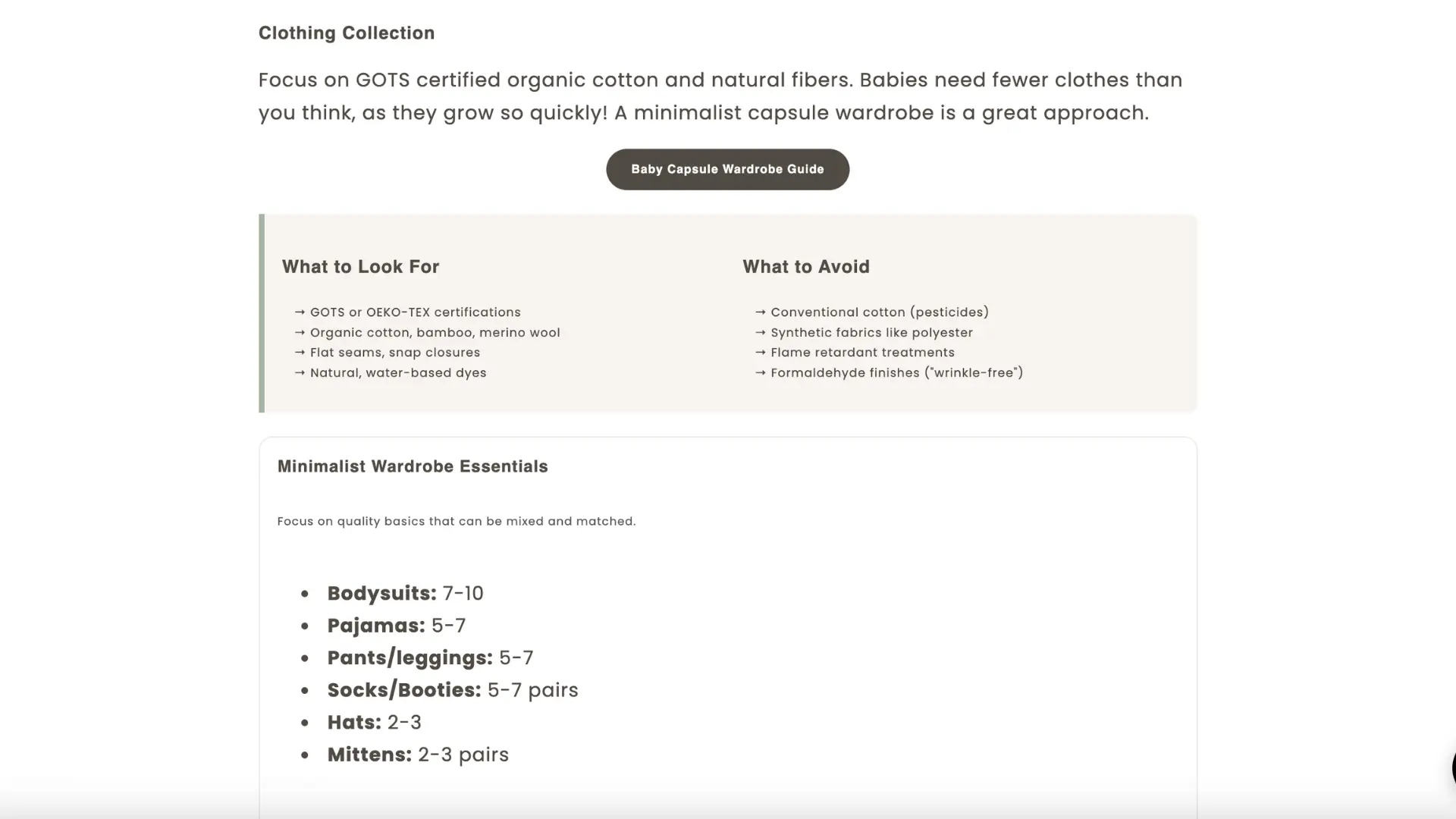
Source: When Nature Kids Co. certifies that a clothing brand meets these non-toxic standards, it gives a powerful endorsement that builds deep loyalty.
3. Conscious Life & Style
When your brand is reducing its carbon footprint and actively making a positive impact, how do you tell that complex story? You need a partner, such as Conscious Life & Style, who educates readers on deep-cutting topics like “regenerative fashion.”
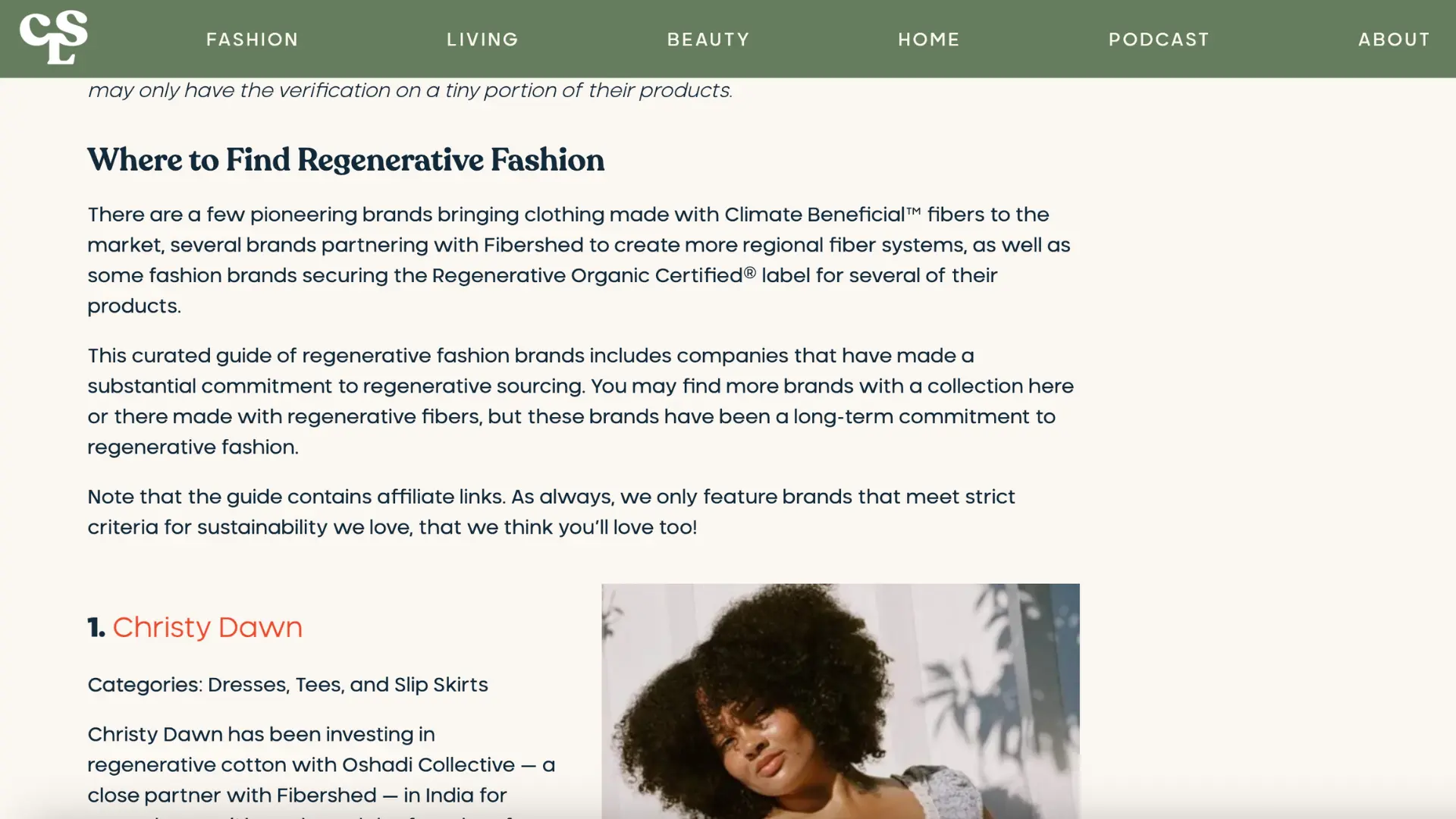
Source: Explaining what regenerative agriculture means for the fashion industry builds a deep understanding of what it means to be a truly restorative brand
Publishers like these recommend products and explain entire ecological principles. This educational work cultivates a highly informed and motivated customer who is willing to invest in your brand’s mission.
However, because this is top-of-funnel education, not bottom-of-funnel conversion, your measurement system fails to see its immense value. This misinterprets profound brand-building as ineffective marketing.
| Metric | Value |
| Semrush global rank | 1.7M |
| Monthly visitors | 14K |
Note: Metrics sourced from the impact.com platform
The niche trendsetter
Your fashion brand wants to be ahead of the curve instead of chasing trends after they’ve already peaked. But the partners who actually create those trends are the ones your measurement model is guaranteed to miss.
These niche trendsetters are the undisputed experts in a specific vertical that speaks to a dedicated community that mainstream fashion often ignores. They are the first to champion a new aesthetic, a new designer, or a new way of thinking about style. This is where trends are born.
A follower might see a unique jacket on their favorite subculture blog today. They might not buy it for months, only long after it has trickled into the mainstream, and they can get it from a major retailer.
When that sale finally happens, your last-click model will credit the retailer or a search ad. The niche publisher who sparked the initial desire and gave your brand its initial dose of cultural credibility gets zero recognition. You see the sale, but you’re completely blind to the cultural validation that made it happen.
3 publishers who own their niche
1. Modern Fellows
If you want to reach the discerning professional who invests in their wardrobe as part of their career, Modern Fellows is the expert guide for this exact audience. They focus on quality, fit, and brands that offer genuine value beyond the label.
When they spotlight your brand as an emerging alternative to the mass market, they are providing a trusted endorsement to a high-value consumer. This is the moment of initial consideration for a customer who does their research.
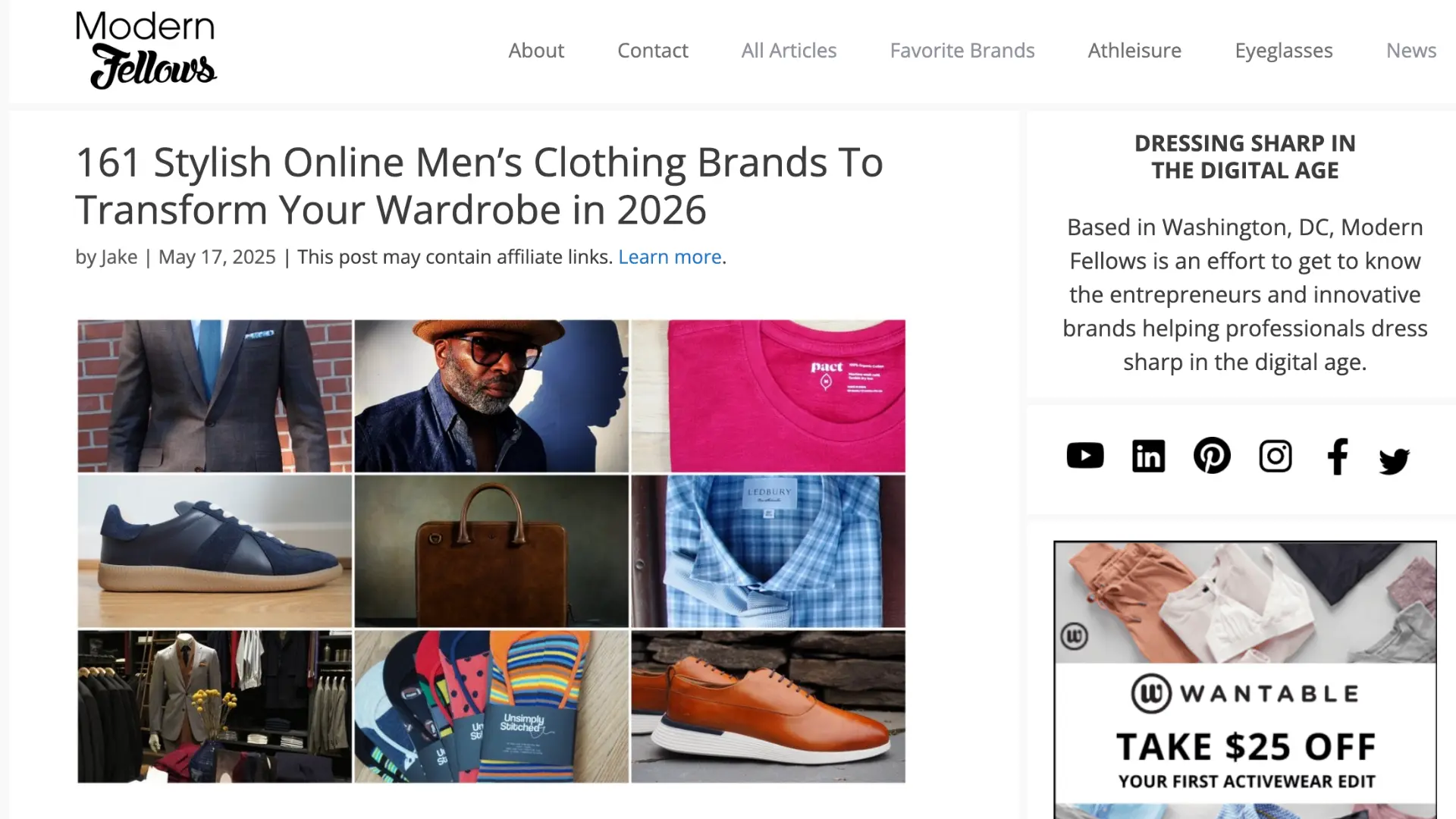
Source: Modern Fellows helps shoppers build a unique professional identity that shapes buying decisions.
When they finally make a purchase weeks later by typing your brand name directly into their browser, last-click attribution counts it as a “direct” conversion. This completely erases the crucial influence of the partner who put you on their radar in the first place.
| Metric | Value |
| Semrush global rank | 1.1M |
| Monthly visitors | 25K |
Note: Metrics sourced from the impact.com platform
2. Love Inc
For LGBTQ+ couples, finding vendors who celebrate their love can be a challenge. Love Inc. is the essential, trusted resource for this community.
| Metric | Value |
| Semrush global rank | 2.7M |
| Monthly visitors | 6.5K |
| Moz domain authority | 51 |
Note: Metrics sourced from the impact.com platform
When Love Inc. features your suits in a guide for nonbinary wedding looks, they are providing a powerful act of validation and service. The trust and gratitude this builds are immense. But when the happy couple finally buys those suits, your system will likely credit a generic “wedding planning” search term. This misses the emotional connection that truly drove the sale.
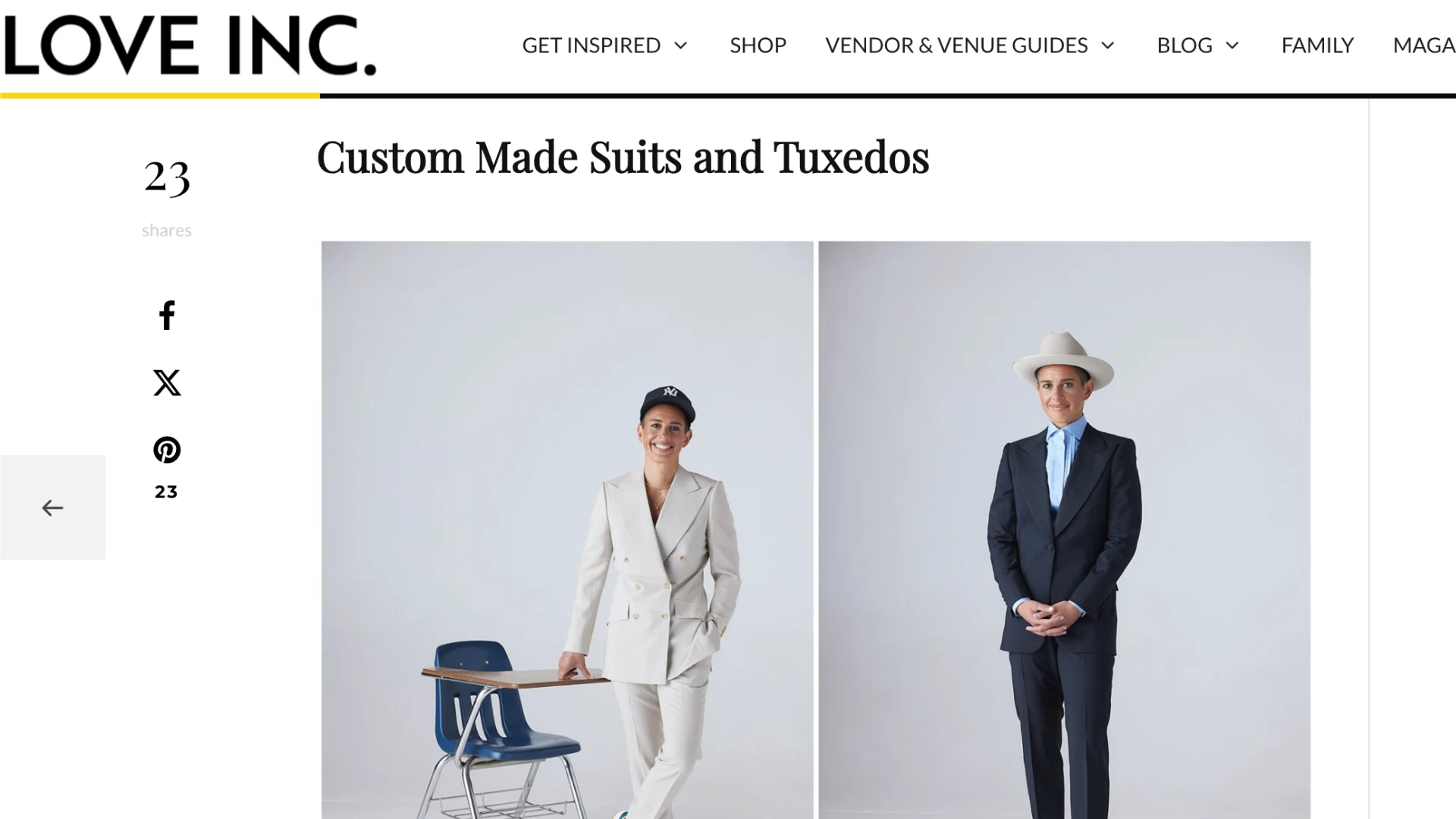
Source: When Love Inc. certifies your brand as welcoming and inclusive, it builds an unbreakable bond of trust with its readers.
3. Golfer Geek
Golfer Geeks proves that trendsetting isn’t just for high fashion. It happens in every passionate community, and they create the standard for their specific audience.
For golfers, the trend isn’t what’s on the runway, but what performs on the fairway. When they review the “Best Golf Shirts for Men,” they’re speaking directly to a niche that craves technical details—moisture-wicking, UV protection, and collar design. They act as a trusted filter. For their audience, a recommendation from Golfer Geeks is the ultimate seal of approval.
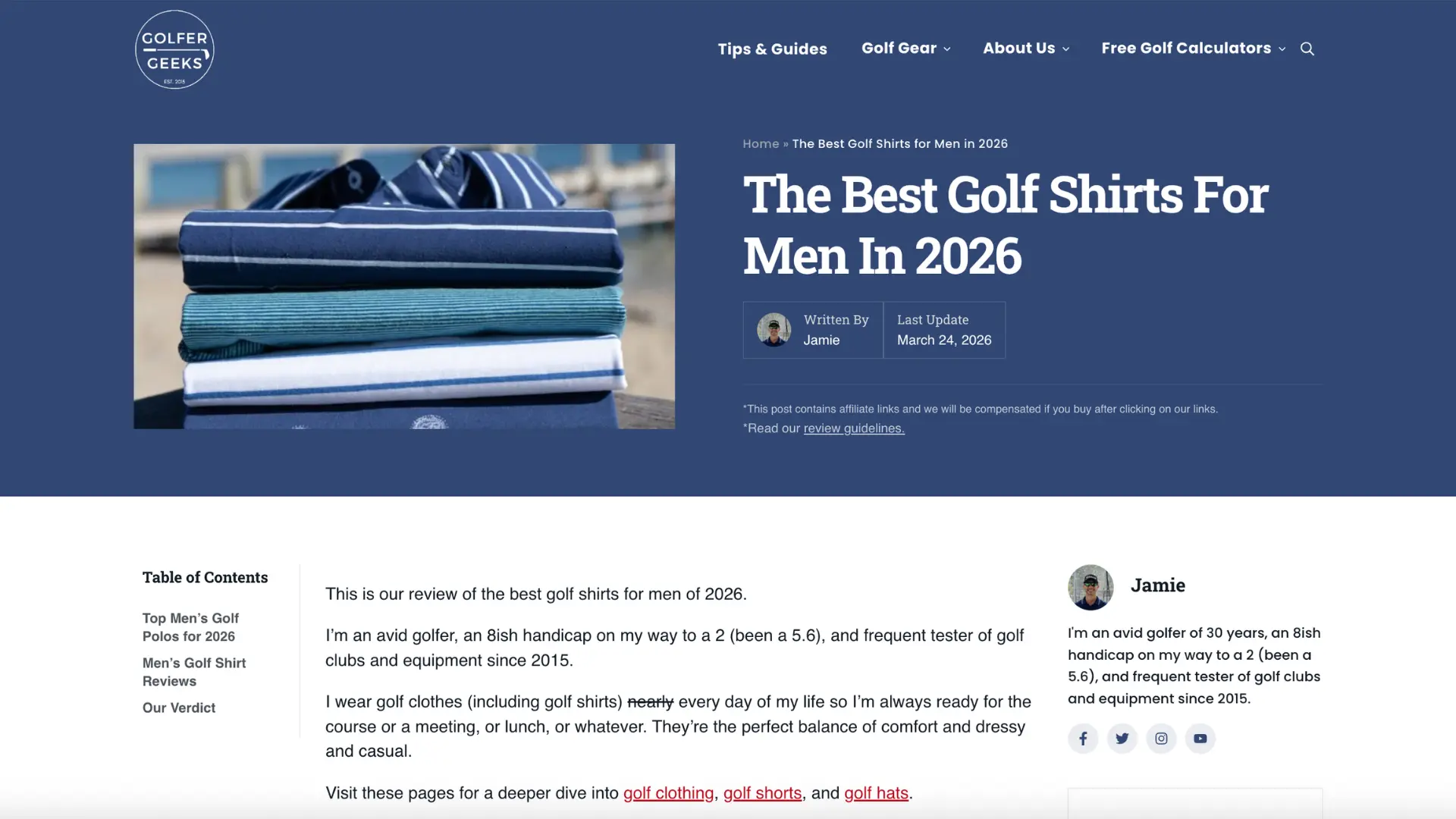
But when that golfer finally makes a purchase, your last-click system sees none of this. It credits a simple, last-minute search query, completely blind to the niche trendsetter who dictated the trend and created the demand in the first place. You’re tracking the final step, not the first one that actually mattered.
| Metric | Value |
| Semrush global rank | 579K |
| Monthly visitors | 57K |
Note: Metrics sourced from the impact.com platform
The mass-market stylist
You see the traffic coming from these publishers, but you probably have them pegged as simple, low-value conversion drivers. Your measurement model is telling you they are just one step above a coupon site. But you’re missing the real story.
These mass-market stylists are your translators. They take the high-concept trends and make them accessible and shoppable for millions. They answer the critical question your average customer is asking: “How do I actually wear this in my real life?”
When a reader sees a curated roundup of the “best new arrivals” and clicks to buy, your last-click model sees a simple, quick conversion. What it misses is the crucial validation work this partner just performed.
They sifted through hundreds of items and gave your product their stamp of approval. This gives millions of shoppers the confidence to move from casual interest to a real purchase.
3 publishers who turn trends into transactions
1. Fashion Sauce
Your customers can feel paralyzed by the endless scroll of online shopping. Fashion Sauce cuts through that noise by acting as a trusted digital curator. They do the hard work of selection for a mass audience.
When they feature your product in their “Products” spotlight, it signals to the everyday shopper that this item has been vetted for style and quality. This is a click and a direct endorsement that removes purchase anxiety.
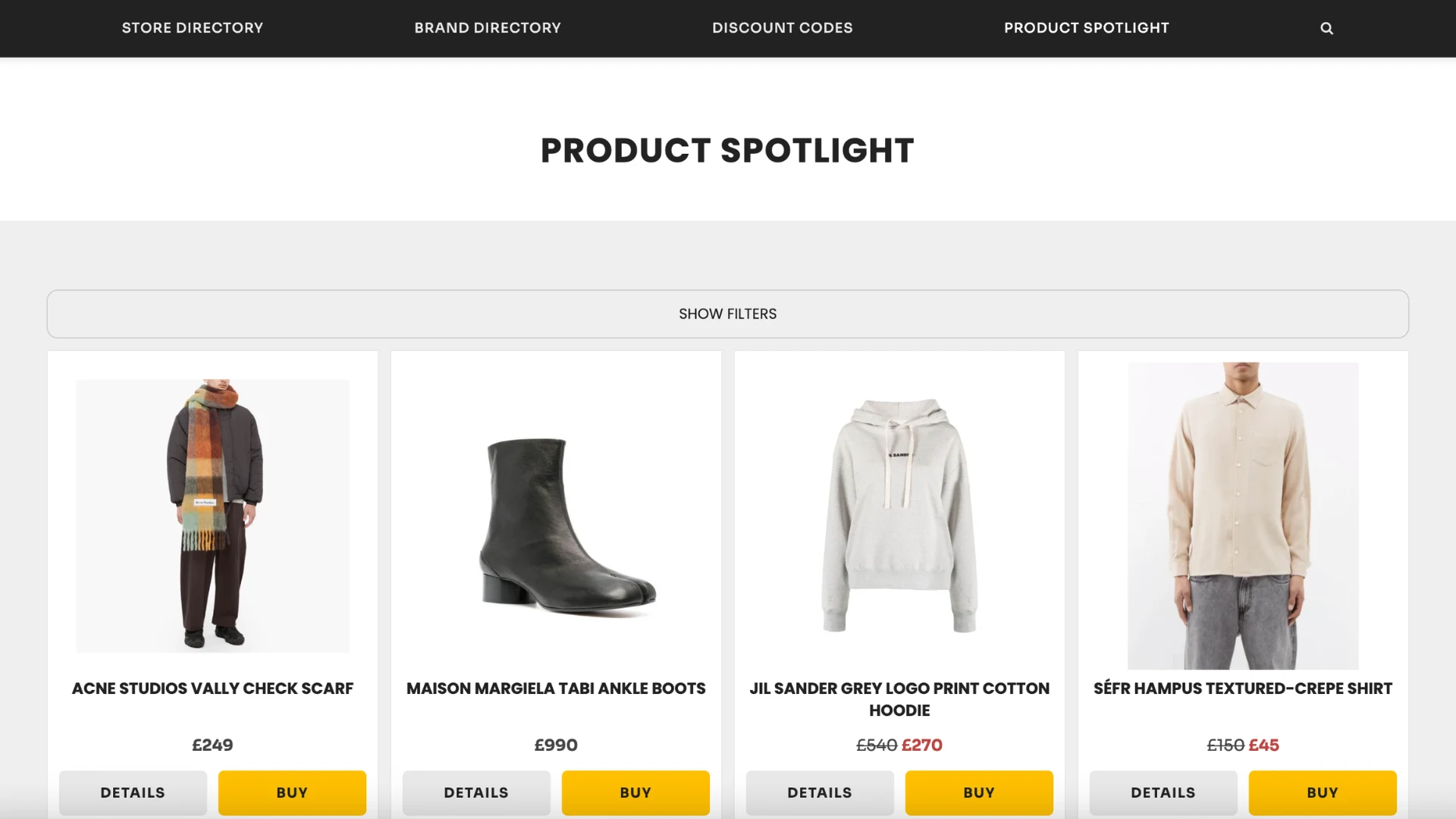
Source: Fashion Sauce’s products spotlight functions as a direct line to a personal shopper’s top picks.
Your last-click model treats this as a simple referral and misses that this partner just gave thousands of shoppers the confidence to finally click “buy.”
| Metric | Value |
| Semrush global rank | 2.2M |
| Monthly visitors | 8.8K |
Note: Metrics sourced from the impact.com platform
Who What Wear
If you want to take a high-fashion concept and make it a bestseller, then Who What Wear are masters of this translation. They take runway trends and show readers how to make them work in their everyday lives.
| Metric | Value |
| Semrush global rank | 715K |
| Monthly visitors | 44K |
| Moz domain authority | 75 |
Note: Metrics sourced from the impact.com platform
When their editors curate a feature on the best new arrivals from mainstream retailers, they use their trained eye to find the pieces that look expensive and are genuinely on-trend. This act of curation is a powerful service for a massive audience.
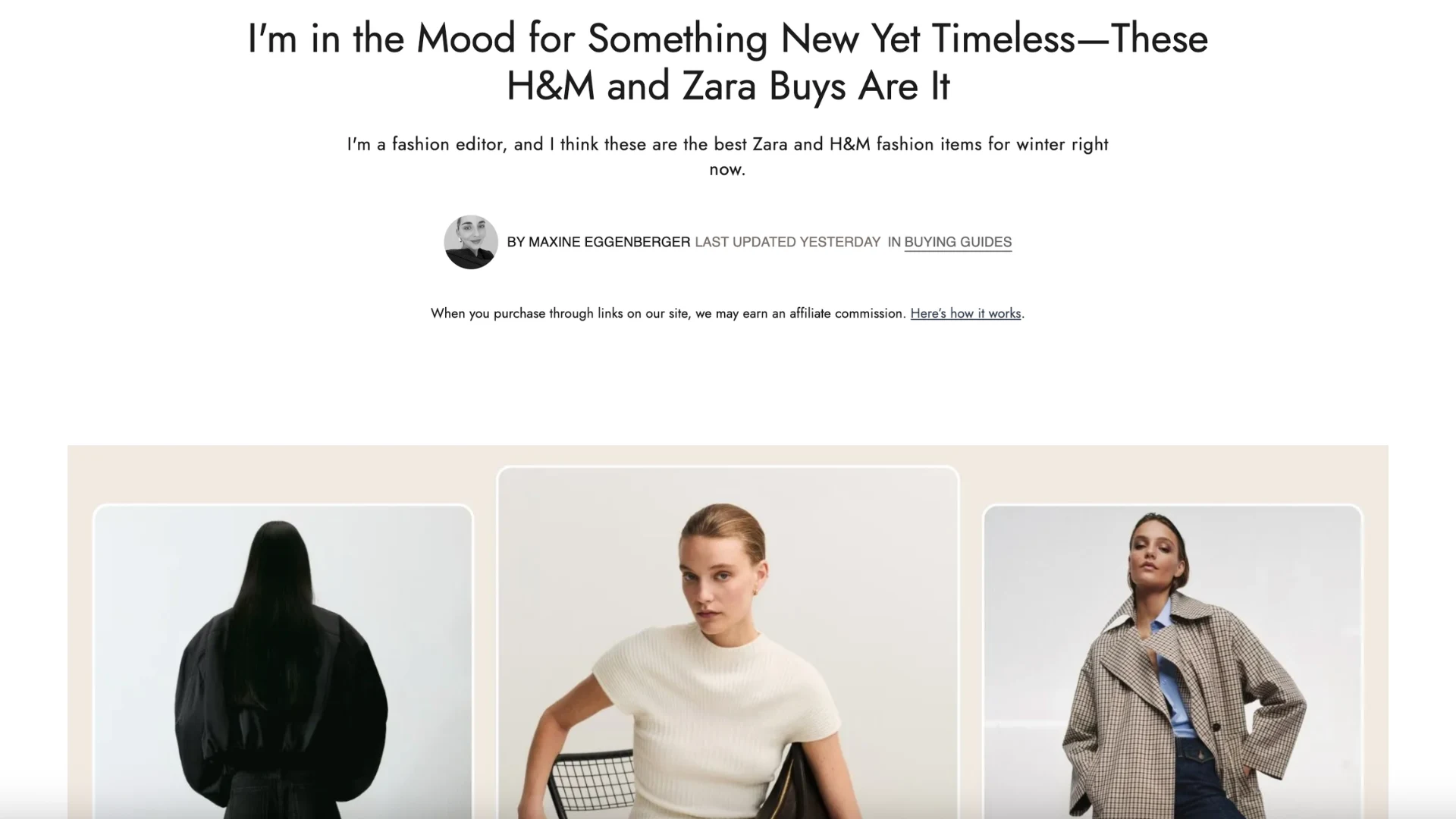
Source: A feature on the best new arrivals at Zara and H&M gives readers the confidence to turn fleeting interest into a real purchase.
Your system sees a high volume of low-consideration clicks. It fails to recognize the enormous value of a trusted expert saying, “Out of everything out there, this is the one to buy.”
Worn on TV
A single TV show can create millions of “I need that outfit” moments every night. Worn on TV is the essential bridge that captures this high-intent demand and answers one simple question for a massive audience: “Where can I buy what I just saw on screen?”
| Metric | Value |
| Semrush global rank | 105K |
| Monthly visitors | 507K |
| Moz domain authority | 63 |
Note: Metrics sourced from the impact.com platform
When they identify the exact dress worn by a beloved character on a hit show, they are converting fleeting inspiration into an immediate, high-intent purchase moment.
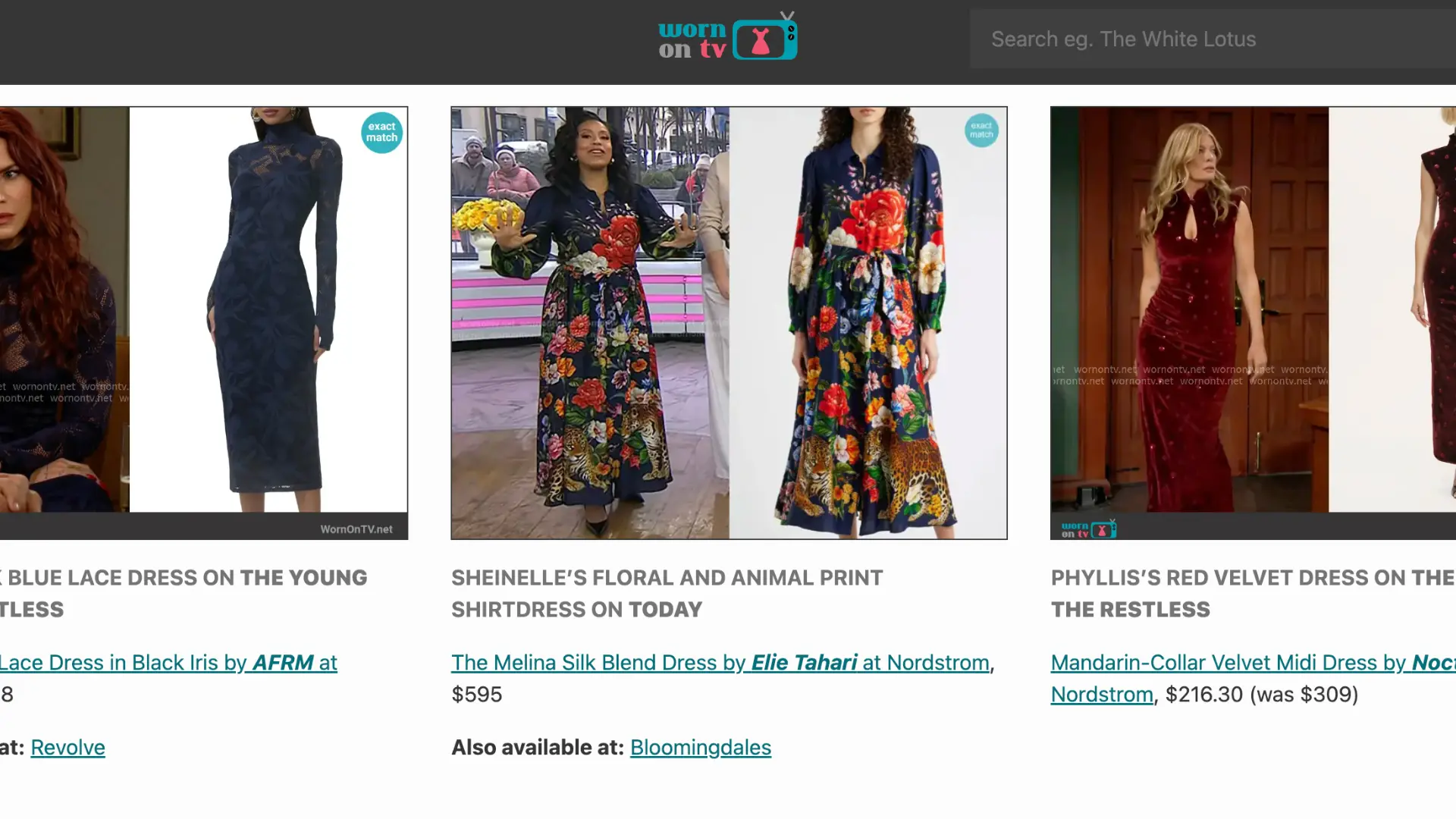
Source: Worn on TV is an essential bridge between entertainment and e-commerce.
Your attribution model sees a clean, last-click conversion and likely categorizes it as simple “referral traffic.” What it misses is the immense cultural relevance and purchase validation this partner provided by connecting your product to a major cultural moment.
The economics of conviction: Proving the ROI of trust
Shifting focus from last-click partners to full-funnel storytellers offers a direct path to more profitable growth. But to get leadership on board, you need to prove the financial return.
The Strand case study provides the financial proof. When the brand strategically invested in a partnership with the storytellers at Are Media, the commercial results were staggering. Beyond clicks and conversions, the most telling metric was the 89 percent increase in average order value (AOV).
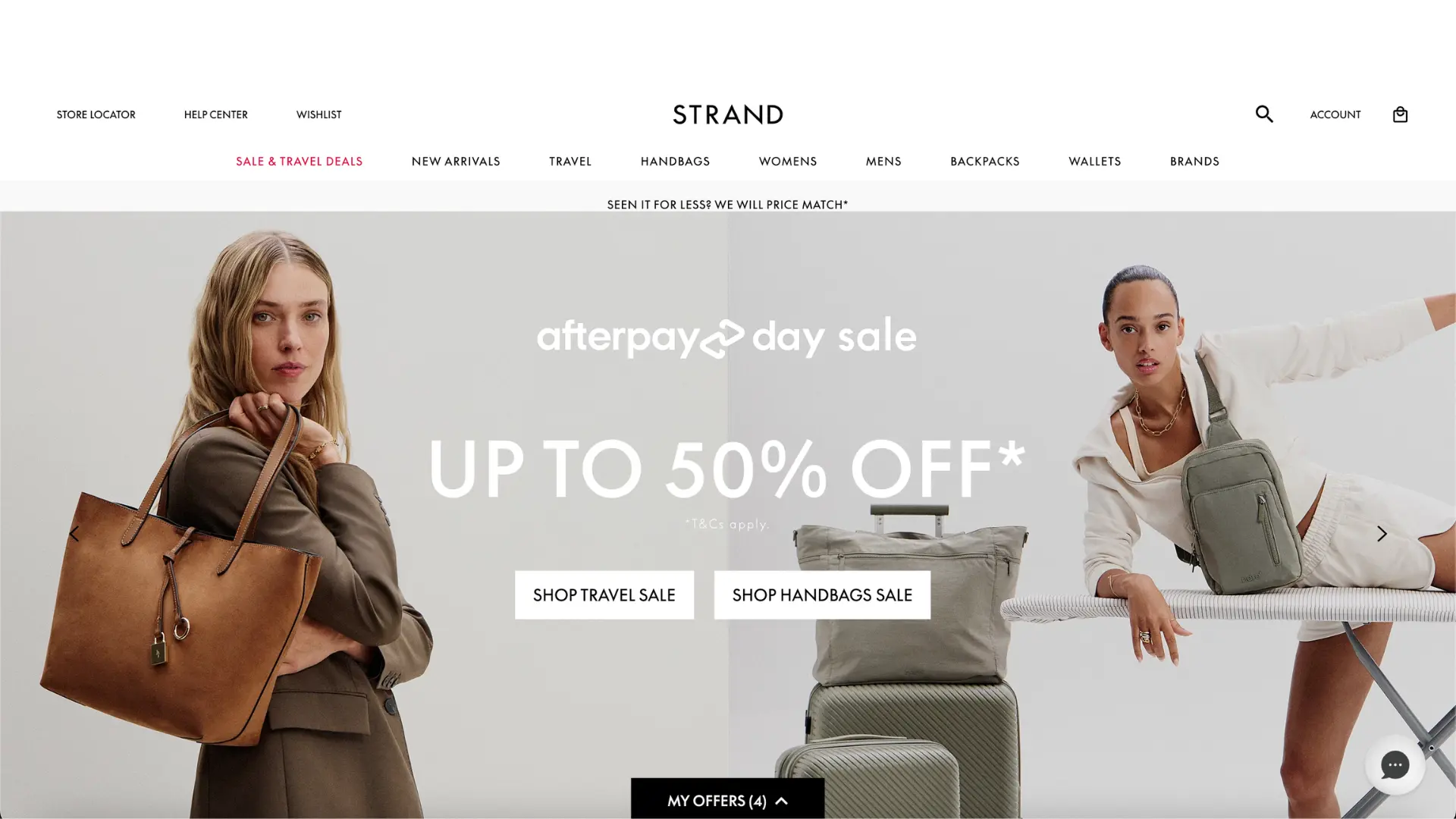
Source: Strand used content partners to establish the brand as a fashion destination
This is the economics of conviction in action. It’s undeniable proof that customers influenced by editorial content don’t just convert, but they also invest more in the brand. They arrive with a level of trust that makes them more valuable in the long run.
Their success wasn’t accidental. It was the result of a deliberate strategy that used a mix of publisher personas.
- High-fashion authorities: Premium brands such as Marie Claire Australia built credibility and tapped into the latest style conversations.
- Broad-reach trusted voices: Established and trusted publications such as The Australian Women’s Weekly engaged a wide, mainstream audience.
- Targeted storytelling: A variety of content formats, from trend reports to product-focused articles, guided customers at every stage of their journey.
The resulting 160 percent revenue growth demonstrates that upper-funnel content is a direct driver of bottom-line results.
Here is the key difference. Partners who close the deal at the final click are excellent at converting existing demand. But the content created by your storyteller partners—the reviews, the style guides, the authentic endorsements—is a long-term asset that creates new, higher-value demand. It continues to drive traffic, build credibility, and acquire more profitable customers long after it’s published.
The true ROI isn’t found by replacing one partner type with another. It’s found in building a diverse program that rewards your partners who create value at every step, from initial discovery to the final click.
4 steps to update your fashion partnership program
You know the model is broken. You see the value in the storytellers, the trendsetters, and the tastemakers. But how do you turn that conviction into a concrete plan you can execute tomorrow? Here are the four steps to rebuild your program, find your best partners, and prove the ROI of trust.
Step 1: Audit your current partner mix
Your program is likely over-reliant on deal-closing partners because your last-click model rewards them exclusively. This creates a dangerous imbalance where you are constantly harvesting existing demand but failing to create new, high-value demand for the future. You’re optimizing for the last step in the journey while ignoring its beginning.
The solution is to build a balanced portfolio. A healthy program doesn’t eliminate deal-closers. It intentionally balances them with the storytellers who create brand desire.
Use the diagnostic table below to take a quick temperature check of your partner mix. The results will show you where the imbalance lies and give you a clear mandate for diversification.
Your 5-minute program audit
| Audit check | Analyze this… | What does it mean if true… |
| Concentration | Ratio of storytellers to deal-closers in your top 10 partners. | You’re only rewarding the final step, not demand creation. |
| Value | If you use a single, flat commission rate for all partners. | You’re undervaluing the partners who actually build your brand. |
| Visibility | The path to purchase for your last 5 high-value orders. | You’re blind to who created your most profitable customers. |
Step 2: Find the partners your old model made invisible
The audit likely revealed a recruitment problem created by your measurement model. The high-value storytellers you need aren’t in your program because it isn’t designed to reward them. If you don’t change how you recruit, you’ll be left with the same imbalanced mix you have today.
This requires a shift from passive acceptance to active discovery. You must seek out the partners your old model made invisible, rather than waiting for them to find you. This means actively searching for the storytellers and tastemakers who reach your ideal customer.
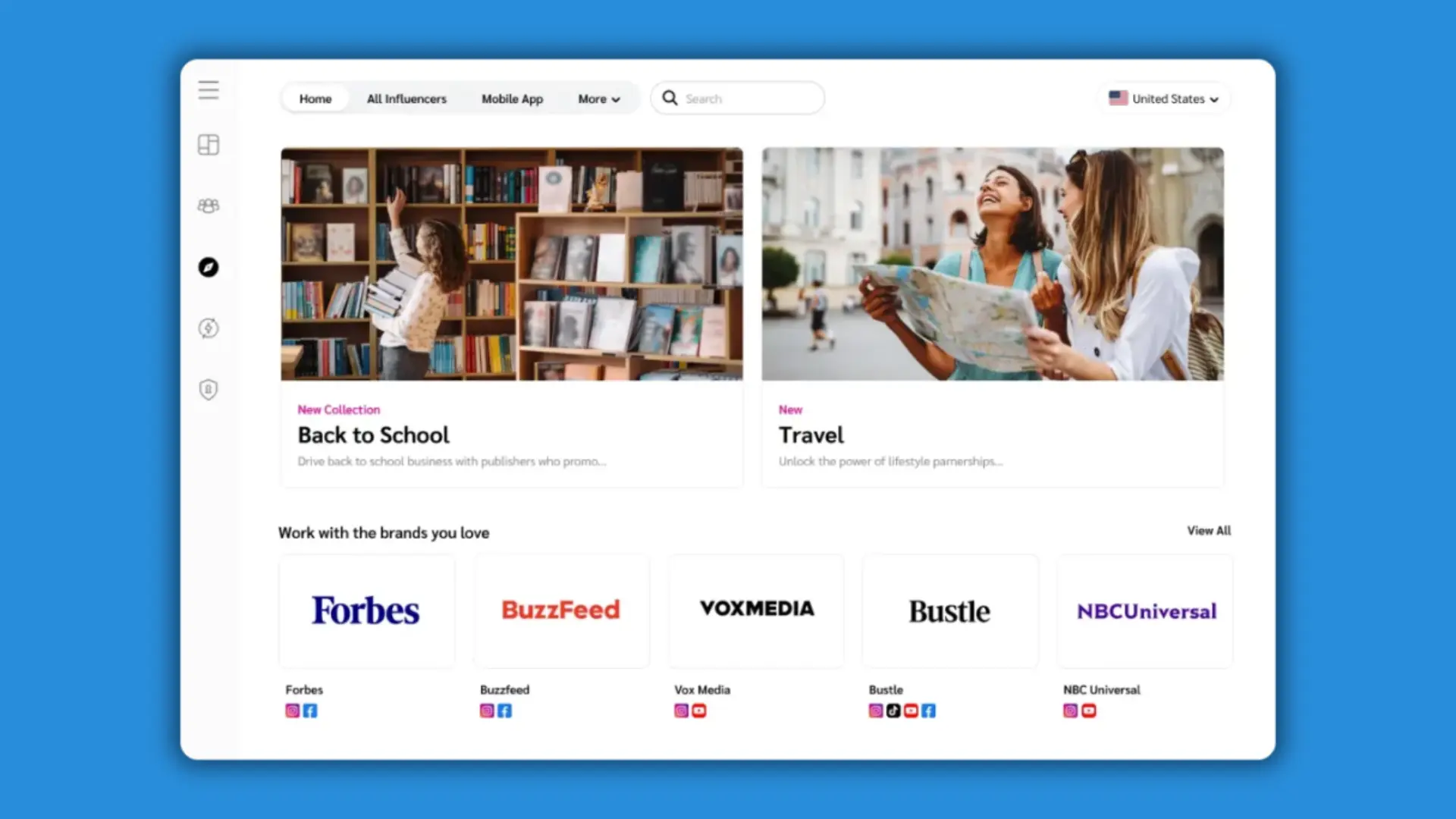
Description: Platform Marketplace’s are a great source of right-fit fashion publishers
You can search for partners who align with your brand’s aesthetic and values. This can be achieved by filtering based on their audience demographics, content categories, and engagement rates—not just historical conversion data.
Your publisher discovery checklist
Use this framework to guide your search for the high-value storytellers your old model missed.
| Discovery criteria | Your actionable question |
| Audience alignment | Does this partner speak directly to the customer persona we want to attract? |
| Aesthetic and value | Does their content’s look, feel, and mission align with our brand’s identity? |
| Authentic engagement | Are their followers genuinely engaged, or is it just passive scrolling? Look for real conversation. |
| Content category | Do they own a specific niche (e.g., sustainable fashion or menswear) that we want to enter? |
Step 3: Pay for influence, not just the final click
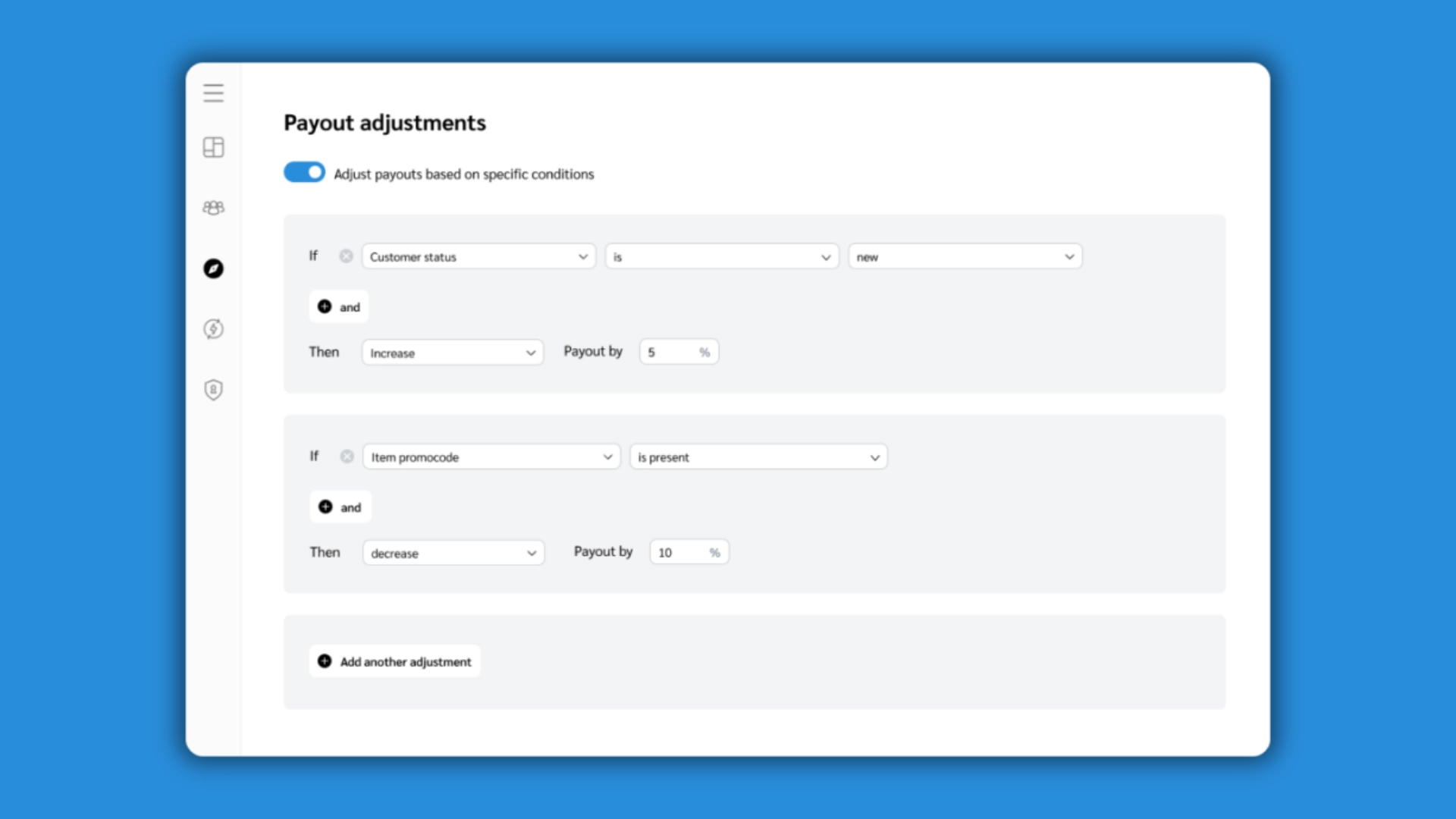
You can’t recruit a top-tier fashion publisher and then offer them the same deal as a coupon site. A one-size-fits-all commission model signals that you still only value the final click, not the hard work of building brand desire. To attract and retain the partners who create real influence, you have to reward them for it.
Description: Dynamic Payout lets you automatically adjust commission to value
This means you must build flexible, multi-layered payouts that reward partners for the specific value they bring. You can structure contracts that go beyond the last-click. Consider offering a flat fee for a high-effort editorial feature or a bonus for bringing in a new high-value customer. This shows partners you value their work and not just their final click.
Your compensation model toolkit
Use this guide to move beyond a single CPA and start rewarding true influence.
| Compensation model | What it is | Best for | What it rewards |
| Flat fee (CPA+) | Upfront payment for content. | Securing top-tier partners. | Creative effort. |
| Tiered commissions | Payouts that increase with performance. | Motivating top performers. | Growth and scale |
| Contribution bonus | Bonus for influencing a sale, even without the last click. | Compensating the “assist.” | Top-of-funnel influence. |
| Hybrid model | A mix of flat fees and performance commissions. | Building long-term relationships. | The partner’s total value. |
Step 4: Measure what matters to see the whole story
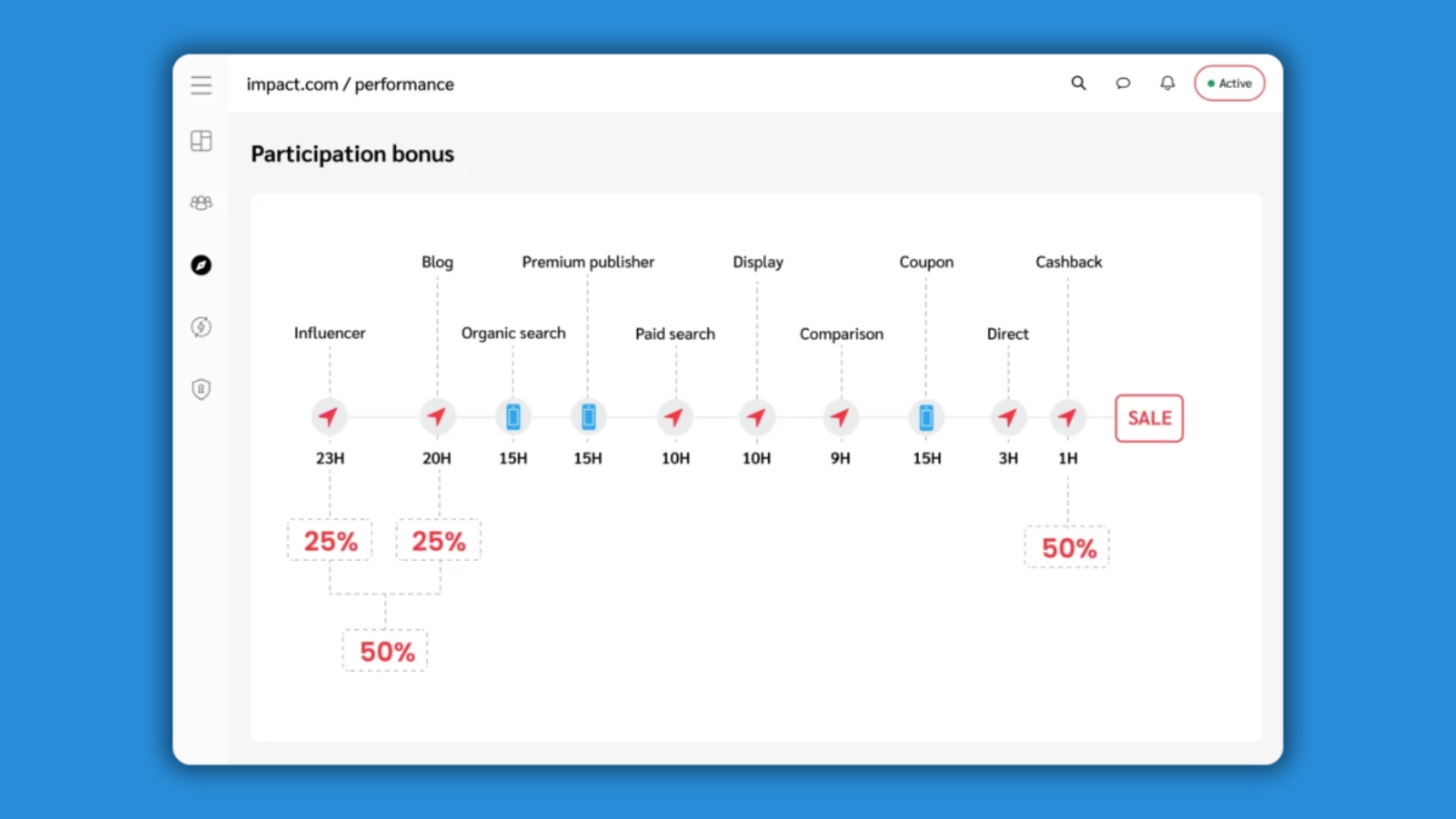
You can’t prove the value of your storytellers if you’re still using a ruler that only measures the final step. As long as last-click CPA is your north star metric, your most valuable partners will continue to look like underperformers. You’ll still be stuck in a cycle of rewarding the wrong behavior.
Description: Tools like cross-device tracking let you see how your partners participate with each other along the path to purchase
You need a measurement model that sees the full picture. By moving beyond last-click, you can finally connect your partnership efforts to the results that matter. It also provides the undeniable proof you need to show your leadership team that investing in storytellers is a direct driver of profitable growth.
Beyond the last click: Your modern measurement toolkit
Use this guide to understand the powerful attribution models that reveal the true value of your fashion partners.
| Measurement model | What is answers | How it works (In brief) | Best for |
| Multi-touch attribution | “Who influenced this sale?” | Assigns credit across multiple touchpoints. | Seeing the full digital journey. |
| Incrementality | “Did this partner’s activity cause a sale that wouldn’t have happened otherwise?” | Uses a test/control group to measure true lift. | Proving causal impact. |
| Marketing mix modeling | “How does this channel impact my overall business?” | Statistical analysis of all marketing channels. | High-level budget allocation. |
| Lifecycle value model | “Which partners bring in the best customers?” | Connects long-term customer spend to the acquiring partner. | Finding your most profitable partners. |
Frequently asked questions
Fashion affiliate marketing programs feature several distinct types of publishers. These include individual content creators, large-scale editorial style authorities, trusted review platforms, and niche online communities. These partners range from influencers who build loyal social media audiences to create brand desire to editorial sites and review platforms that provide the deep analysis and social proof required to turn a browser into a buyer. Additionally, community and forum-based publishers offer a space for peer-to-peer recommendations, serving as a powerful source of organic endorsement within specific subcultures.
Fashion publishers and influencers earn revenue through various compensation models offered by brands. These range from traditional performance-based commissions to strategic upfront payments. While the cost-per-action (CPA) model—where a partner earns a percentage of a referred sale—remains a standard, many modern programs now use hybrid structures. These models may combine flat fees to secure high-effort editorial content with performance bonuses that reward a publisher for influencing a sale.
Brands find and recruit high-performing fashion publishers by combining automated discovery tools with competitive analysis and direct, personalized outreach. The most effective strategy begins with using a partnership platform marketplace to filter for partners based on specific niches, audience demographics, and authentic engagement rates. Marketers should also analyze competitors to identify effective publishers already active in their industry. Finally, brands must conduct personalized outreach that references a publisher’s specific work and explains why the brand is a good match for their audience to build a foundation for a long-term partnership.
Your brand is a story. Who are your storytellers?
Your brand is more than just a product. It’s a story. But right now, you’re only paying for the last word.
You know who’s getting the credit. It’s the coupon site that appeared in the final five minutes of a purchase. The storyteller who spent three months building the trust that led to that sale gets nothing. Your measurement model is sending a clear message to your most valuable potential partners that this program is not for them.
The best publishers—the style authorities and trusted tastemakers—have options. They see the low flat fees and the lack of full-funnel attribution, and they choose to invest their influence elsewhere.
This is the real risk of the last-click lie. It’s not just about leaving money on the table. It’s about actively teaching your best potential partners to go build someone else’s brand.
- How modern marketers can boost campaign effectiveness with performance marketing attribution (blog)
- Measure the real impact of your partnership program (worksheet)
- 6 attribution models for better insights into your customer journey (blog)
- How to find affiliate marketing partners at scale through AI-powered discovery (blog)
- How to find affiliate partners: 6 modern strategies for high-impact growth (blog)
- How to align your audience and partners with your business objectives (worksheet)
- 5 effective affiliate commission structures: Model, examples, and benefits (blog)
- How to effectively setup your publisher contracts (worksheet)