

Brand teams are under more pressure than ever to choose the right creators. According to impact.com research, 35 percent of brands say their biggest challenge is finding partners who can consistently meet their quality and performance expectations—a reminder that relationship strength, reliability, and alignment now matter as much as reach.
That trust is at the center of what brands look for in influencers today. Creators who understand how brand teams think—and who build habits that make collaboration easier—are the ones who rise above the noise.
This guide breaks down the best relationship-building strategies for content creators working with brands, grounded in real insights from marketers who manage influencer programs every day.
The qualities brands look for in long-term influencer partners
Ask any brand what makes them renew a creator partnership, and the answers are surprisingly similar. The creators they keep coming back to are creatively talented. But they’re also who communicate clearly, show professionalism, and demonstrate genuine investment in the brand’s success.
Here’s your easy checklist for how to stand out:
- Professionalism. Meet deadlines, respond promptly, and deliver assets in organized folders. Use project management tools or partnership automation tools like impact.com to stay on top of briefs, payments, and deliverables.
- Strategic thinking. Understand the “why” behind the campaign. Ask questions about the brand’s goals, KPIs, and audience, then tailor your creative to match.
- Creativity and consistency. Maintain your signature style while staying on-brand. Brands value creators who can deliver high-quality content repeatedly, not just one viral hit.
- Authentic advocacy. Work with brands you genuinely like or use. It shows through in your content, builds your personal brand, and forges trust with both your audience and the brand.
- Collaborative attitude. Welcome feedback and stay flexible. Brands notice creators who treat campaigns as teamwork, not transactions.
Each of these traits is reinforced by how you communicate—how you ask questions, clarify expectations, respond to feedback, and stay engaged throughout (and between) campaigns.
When your communication habits reflect reliability, curiosity, and mutual respect, you naturally become the kind of creator brands want to keep working with.

“We find that the most successful partnerships for us come when a creator is interested in creating a truly collaborative relationship. Open and honest communication from both sides is the key here and can lead to some truly wonderful partnerships.” – Josh Rivera, Senior Manager of Engagement Marketing at Sweetwater
3 relationship-building strategies creators can use when working with brands
Building long-term brand relationships is about creating an experience brands want to return to. With more creators than ever competing for the same partnerships, brands remember the creators who make campaigns easier, contribute thoughtful ideas, and treat the partnership as a two-way relationship rather than a transaction.
The good news is that these qualities aren’t mysterious or out of reach. They’re built through clear habits—how you collaborate, how you communicate, and how you show up between campaigns.
Here are the relationship-building approaches that help creators stand out.
1. Create systems to collaborate smoothly and professionally
Smooth collaboration is one of the biggest reasons brands return to a creator. When deadlines are met, revisions are clear, and deliverables arrive exactly as expected, brands see you as someone who removes friction. That reliability sets you apart in a space where many creators rely on improvisation.
Here’s how to build the kind of workflows that make brands want to work with you again.
Use a quality checklist to speed up approvals
Before you hit publish or send content for review, pause for one final check. A quick quality review can be the difference between a smooth approval and a round of revisions. It’s a small habit that signals that they can trust you to deliver polished, reliable work.
Brands want you to strike a balance of creating authentic content that matches your style, while following their formatting and brand guidelines.
Here’s what to include in your quality checklist:
- FTC compliance: Confirm that disclosures and hashtags are clear and placed correctly.
- Brand alignment: Make sure tone, visuals, and key messages match the brief.
- Required assets: Ensure all deliverables—including the content itself, thumbnails, captions—meet the formatting and spec requirements.
- Proofing: Rewatch or reread content for typos, glitches, or off-brand visuals.
A thoughtful review process demonstrates your attention to detail and ensures your final deliverables align with brand expectations.

Create compliant disclosures with confidence
Stay compliant and prove you’re a partner brands can trust.
Adopt workflows that streamline the collaborative process
Relying on the brand to wrangle files, feedback, and versions can slow a campaign down.
Creators who manage their own workflows keep the production process efficient—and that reliability goes a long way when brands are deciding who to work with again.
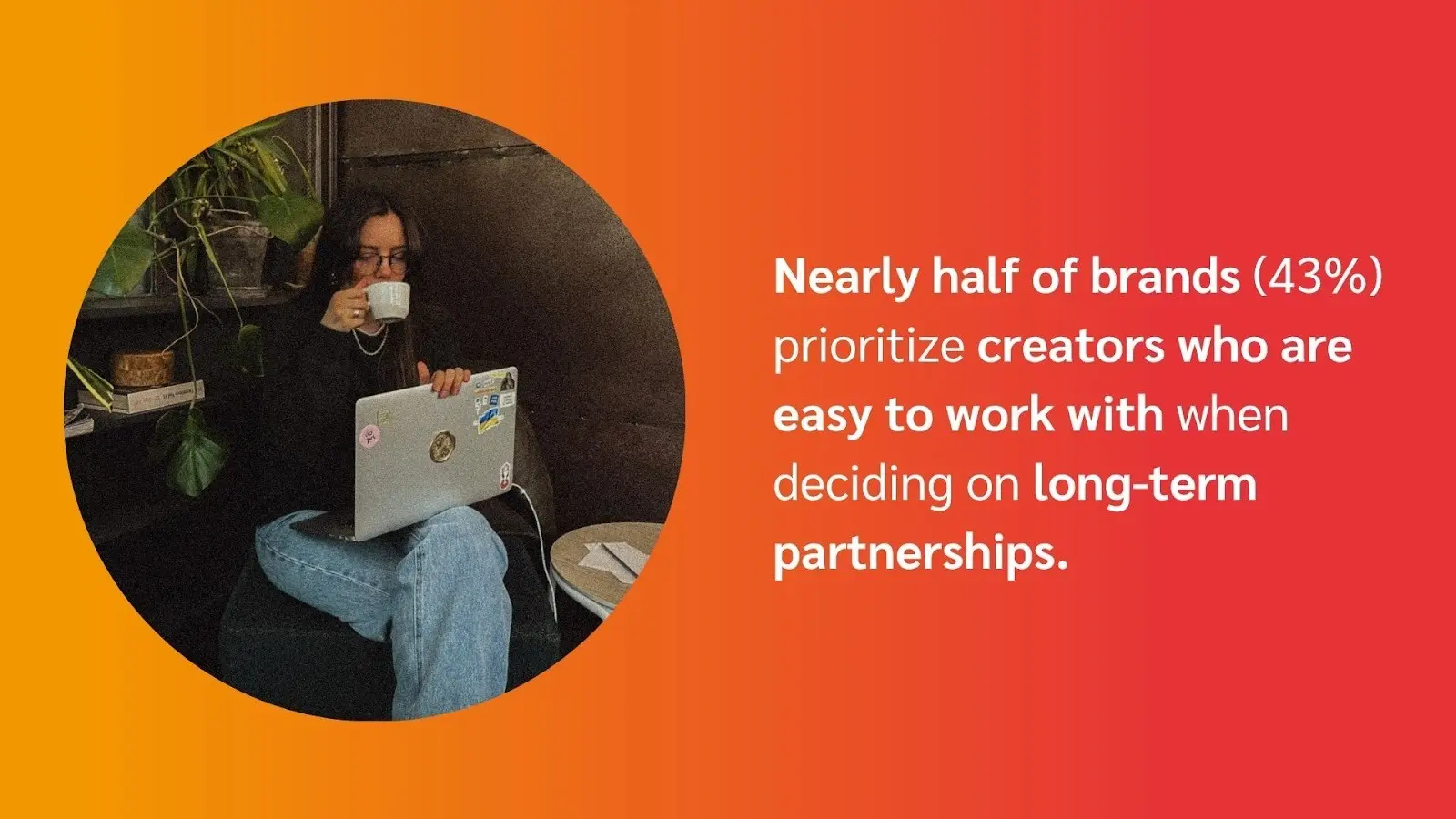
Brands may choose the tools, but you control how organized your side of the workflow is. Keep your drafts, updates, and revisions in the shared space the brand prefers—whether that’s Google Docs, Airtable, or a proprietary portal—so everyone works from the same version and nothing slips through the cracks.
Source: What brands want: building successful creator partnerships
A smooth workflow should include:
- Central communication: Keep all comments, edits, and approvals in one shared space
- Clear version control: Label files clearly so no one reviews outdated drafts.
- Defined approval stages: Outline who signs off at each step to avoid confusion.
- Transparency: Let brands see progress in real time, reinforcing trust and professionalism.
When a brand never has to chase you for assets or alignment, they see you as someone they can trust for future campaigns.

“A creator proves that they have potential by bringing operational reliability: clear SLAs, on-time delivery, tidy file handoffs, and proactive heads-ups with a backup plan when issues arise.” — Norman Scott, Influencer Marketing Lead, UPLIFT Desk
2. Show you think strategically about the partnership
The most successful creators go beyond delivering great content—they build real relationships.
When brands feel you genuinely care about their success, not just the paycheck, they’re far more likely to come back.
Brands want creators who see themselves as collaborators. People who bring ideas to the table, communicate clearly, and take ownership.
Here’s how to understand what brands really need.
Take time to understand the brand behind the brief
When you know the brand’s goals, priorities, and business context, your ideas become sharper—and brands immediately notice the difference.
Take a moment to learn what the brand is trying to accomplish. Sometimes that context is spelled out in the brief—but often, it isn’t. Asking thoughtful questions shows brands you’re invested and helps you deliver content that genuinely moves the needle.
Here are strategic questions worth asking:
- “What does success look like for this campaign?”
- “Is this supporting a launch, a seasonal push, or long-term awareness?”
- “Why was this format chosen?”
- “Where do you want this content to fit in your customer’s journey?”
- “What have you seen work and not work with other creators?”
Brands appreciate creators who think beyond deliverables and want to understand the bigger picture.

“We want to treat long-term creators as co-creators. We involve them through regular one-on-one strategy calls and structured campaign debriefs where we review what worked, what didn’t, and what to test next.”— Jodie Louw, Affiliate Marketing Manager, UPLIFT Desk
Build or refine content brief templates to align on any campaign
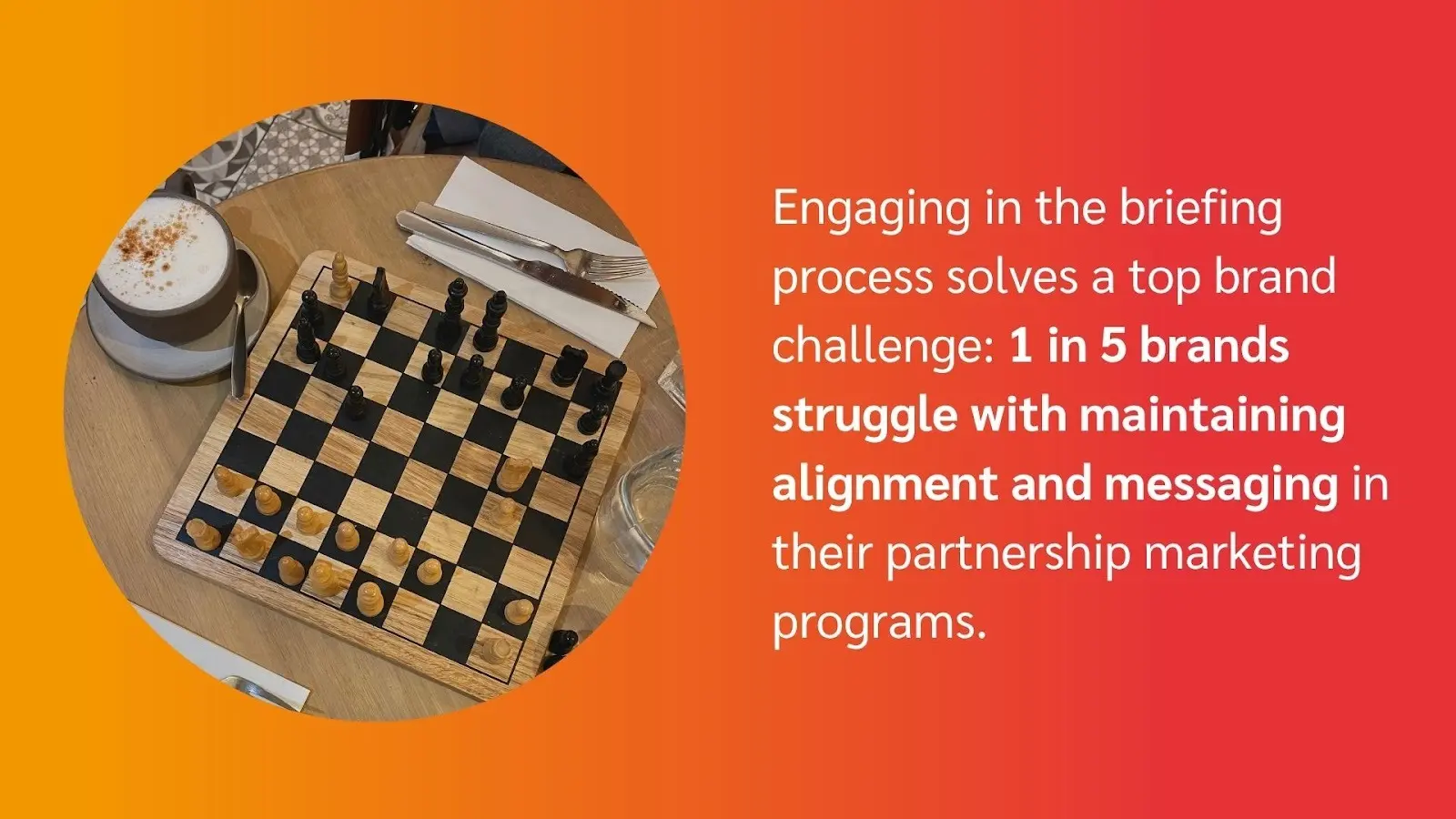
Every great campaign starts with alignment. Whether a brand provides the brief or asks you to shape it yourself, you’ll work more efficiently when the expectations, goals, and creative direction are clear.
Most brands understand that creators know their audiences best. Some will hand you detailed instructions, while others will give you broad guardrails and expect you to lead the creative direction. Creators who can interpret, refine, or supplement the brief create smoother collaboration and stronger results.
Source: The state of affiliate marketing report
Whether you’re responding to a brand’s brief or building one from scratch, make sure it covers:
- Tone and messaging: How the brand wants to sound and what key points must be included.
- Creative goals: The outcome the content should achieve whether it’s awareness, clicks, conversions, or engagement.
- Deliverables and specs: Formats, aspect ratios, posting dates, and any must-haves like tags or hashtags.
- Brand assets and references: Logos, fonts, or examples to guide consistency.
“The last thing we want is to interfere with creators making the content they know resonates best with their audience. Our goal is to support their process and help them incorporate Sweetwater in the most organic and authentic way possible.” — Josh Rivera, Senior Manager of Engagement Marketing at Sweetwater
3. Conduct smart outreach to stay top-of-mind
With more creators competing for brand partnerships and brand teams juggling countless moving parts, it’s easy to get lost in the shuffle unless you stay intentionally present. Brands notice when a creator manages relationships proactively instead of waiting for opportunities to appear.
When you keep track of where each partnership stands and reach out at the right moments, you make it easy for brands to remember you, trust you, and consider you for future work.
Here’s how to continue building relationships that lead to ongoing collaborations.
Track partnerships by stage to time your outreach strategically
Treat your brand collaborations like a business pipeline. Knowing where each partnership stands helps you stay proactive instead of reactive.
A simple tracking system helps you stay organized, follow up at the right time, and spot opportunities before they slip away.
Use a tracker or spreadsheet to monitor:
- New partnerships: Brands you’ve recently pitched or begun collaborating with. Schedule reminders to follow up and nurture momentum.
- Active campaigns: Track deliverables, deadlines, and performance metrics in real time to keep everything on track.
- Renewal opportunities: Identify expiring contracts or brands with strong campaign results, and reach out early with new ideas.
Timely outreach positions you as a creator who actively manages partnerships rather than waiting for brands to come to you.
“While single campaign metrics are always important, we place much more value on long-term trends, open communication, and a demonstrable desire for constant improvement.” – Josh Rivera, Senior Manager of Engagement Marketing at Sweetwater
Reach out between campaigns to keep the relationship warm
Long-term partnerships aren’t built in bursts of activity. They grow in the quiet moments between campaigns. A quick, thoughtful check-in can keep your relationship warm and show the brand you’re genuinely invested in their success—not just your next deal.
Reach out every few months to:
- Share small updates. Mention core metrics that may pique a brand’s interest—such as audience growth or engagement wins—or describe new creative directions you’re exploring.
- Offer fresh ideas. Suggest a concept or seasonal angle that could fit the brand’s goals.
- Congratulate or connect. A simple note celebrating a product launch or campaign milestone goes a long way.
- Check in casually. Not every message needs a pitch. Sometimes a friendly touchpoint keeps the connection alive.
When you show up consistently and authentically, brands stop seeing you as a one-time collaborator, and start viewing you as part of their extended team.
Start building the relationship habits that brands remember
Strong creator–brand partnerships are built long before the next campaign brief hits your inbox. They grow from the habits you practice consistently—how you collaborate, how you communicate, and how you show up when you’re not being paid to.
As brand teams evaluate hundreds of creators, the ones who rise to the top are those who make their jobs easier and their campaigns stronger.
By investing in thoughtful collaboration, strategic insight, and genuine connection, you position yourself as a creator brands can trust for the long haul—and open the door to more stable, long-term income.
FAQS
Reach out a few weeks before the campaign ends with a short recap of results and ideas for what’s next. Highlight what worked including metrics like engagement rates or audience reactions, and suggest ways to build on that success. Keep it simple, collaborative, and forward-looking to make renewal an easy yes.
Reach out a few weeks after the campaign ends with a friendly, professional message. Share a short results summary, like engagement highlights or audience feedback, and suggest ideas for what you could do next together. Keep your tone collaborative, not salesy. The goal is to remind the brand of your impact and make the next partnership an easy yes.
Creators should use communication approaches that make partnership effortless for brand teams. This includes:
- Sharing timely updates
- Asking thoughtful questions that clarify goals
- Proactively communicating any changes or challenges before they become issues
Brands also value creators who take time to understand the strategy behind the campaign, connect their creative ideas to the brand’s priorities, and articulate how their content will support those goals.
When your communication reflects reliability, curiosity, and genuine investment in the brand’s success, you naturally position yourself for bigger, longer-term opportunities.