
One platform. All partnerships. AI-powered.
Creators.
Affiliates.
Customer referrals.
Communities.
Unified.
The unified platform to manage creators, affiliates, and referrals — powered by $100B+ in partnership commerce and AI that turns discovery into performance.



The AI-native partnership platform powering global commerce
See which partners influence your brand’s AI and LLM recommendations — and activate them in the same platform trusted by the world’s leading brands.


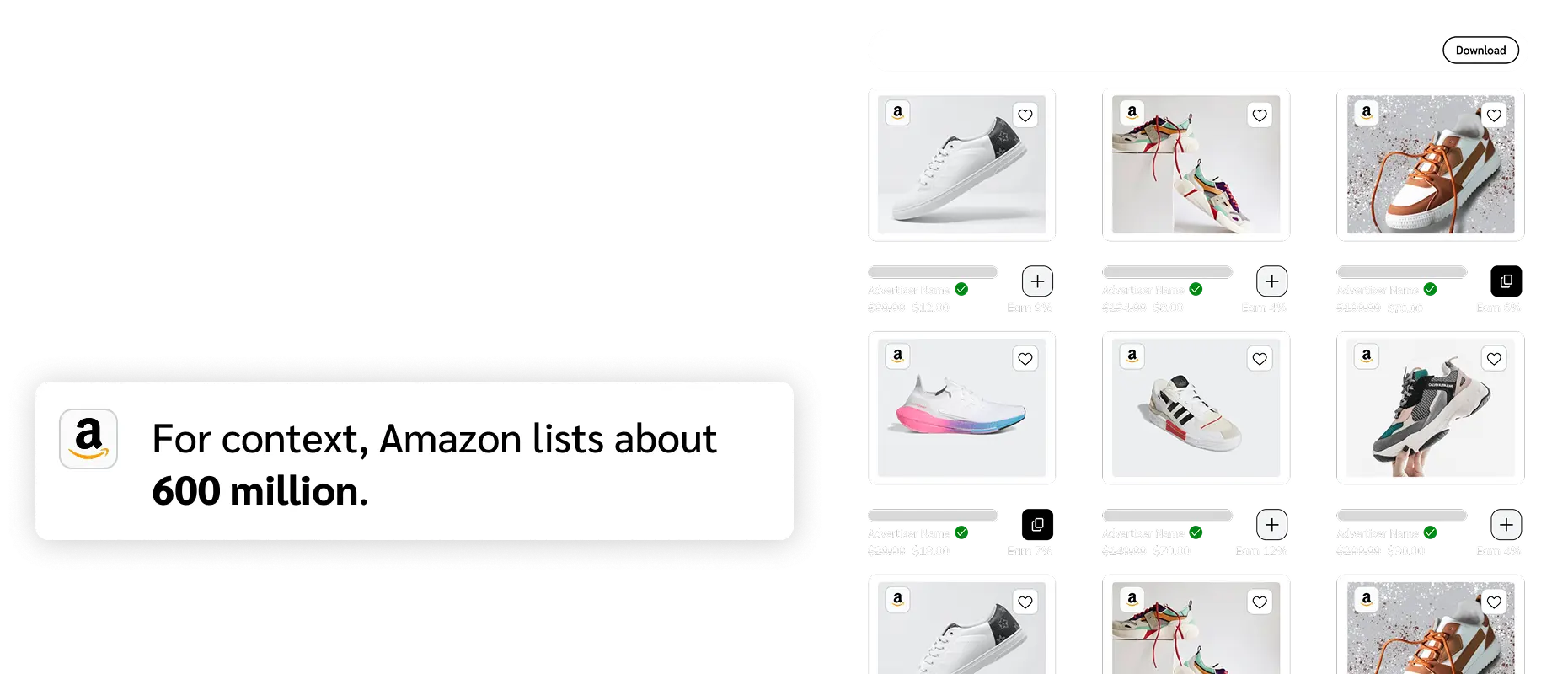

Affiliate, Creator, and Referral programs together at last
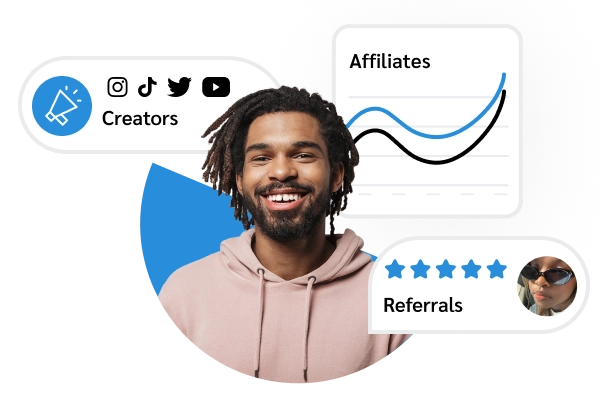
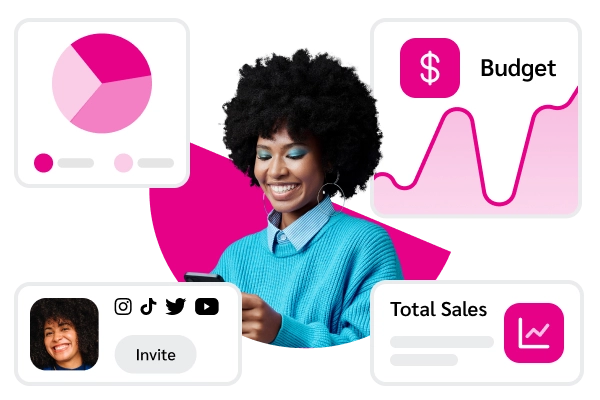
The ROI case for unified partnership management
Brands using affiliates + influencers drive up to 46% more sales than single-channel strategies
46%
Integrating referrals with affiliate can lift revenue by as much as 22%
22%
You save 15+ hours per week managing partnerships from one dashboard instead of three
15+
Why it matters now
AI-driven traffic to retail sites: up 4,700% YoY
4,700%
Shoppers using AI for purchases: 39% (53% plan to this year)
39%
Gen Z using AI search daily: 35%
35%
Why leading brands are shifting marketing budget to partnerships

Paid ads hit a ceiling
Brands spent $1 trillion on ads last year while acquisition efficiency continues to drop. Performance partnerships offer a better model.

Consumers trust people, not ads
89% trust personal recommendations over advertising. 2/3 of the world engages with creators daily, who now command 25% of social marketing budgets.

AI accelerates everything
AI-generated retail traffic grew 4,700% YoY. 39% of shoppers use AI for purchases, and 35% of Gen Z use AI search daily.
AFFILIATE
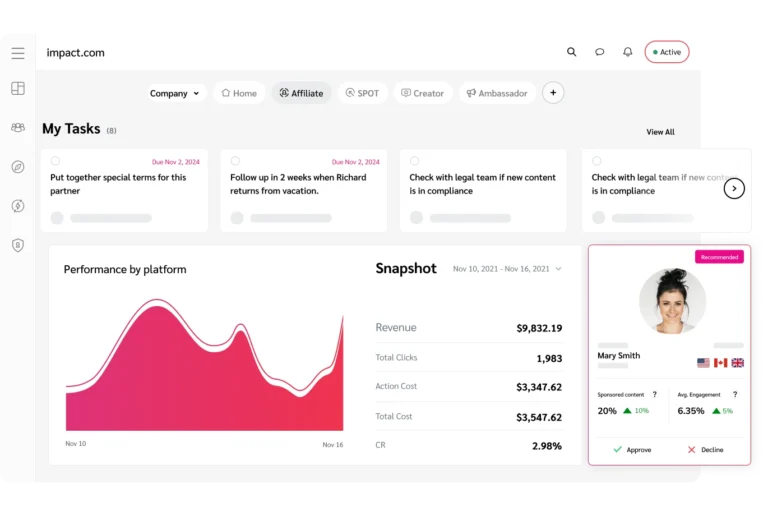
We uncover which partnerships generate revenue, not just clicks and traffic
Stop guessing which affiliates are worth your budget. Our platform shows you exactly which partnerships generate real revenue, not just clicks and traffic.
- Get clear performance data on every partnership. See actual conversions, lifetime value, and ROI so you know where to double down and where to cut spending.
- Find affiliates who already convert in your industry. Our vetted marketplace connects you with partners who have proven track records in your vertical. No more wasting time on partnerships that don’t deliver.
- Scale the partnerships that work. When you find winners, our platform makes it easy to expand successful relationships and replicate what’s working across similar partners.
- Now part of our unified platform. Manage your affiliate, creator, and referral programs from one dashboard with consistent tracking across all partnership types.
CREATOR
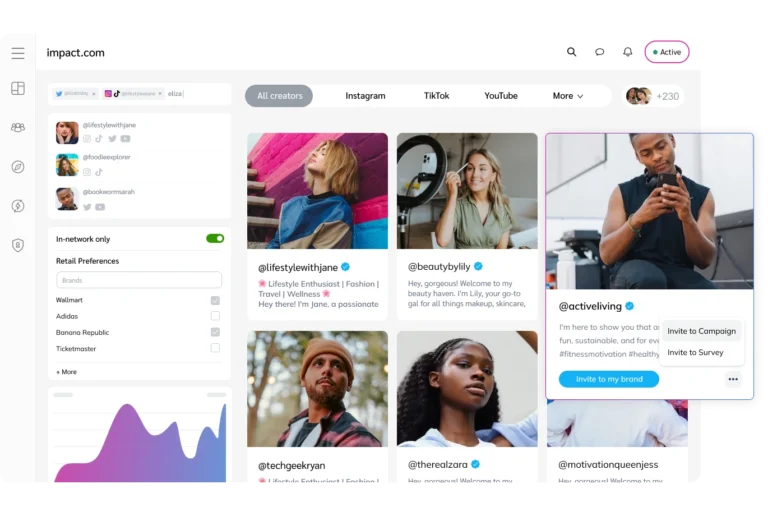
Track real results from influencer campaigns, not just engagement. #1 influencer platform for performance-driven creator marketing
Most influencer marketing stops at likes and shares. We track actual sales so you know which creators are driving real business growth.
- See which influencers actually convert customers. Track sales, not just vanity metrics, so you can invest in creators who deliver measurable ROI for your brand.
- Find creators who align with your brand and convert. Discover influencers whose audiences actually buy your products, not just engage with content.
- Scale creator partnerships with confidence. When you find creators who drive sales, expand those relationships and find similar influencers who deliver the same results.
- Now integrated with our performance platform. Manage creator campaigns alongside your affiliate and referral programs with the same rigorous tracking you expect.
ADVOCATE
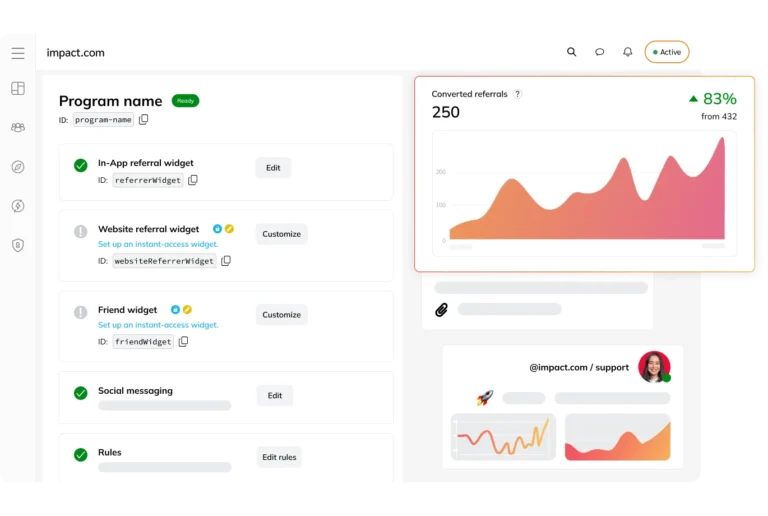
Turn your customers into a measurable revenue channel
Your customers are already recommending you – now you can track it, optimize it, and scale it like any other marketing channel.
- See exactly how customer referrals drive new sales. Track the complete customer-to-customer journey with attribution that shows real revenue impact, not just referral activity.
- Cut acquisition costs while boosting revenue. Customer referrals convert at higher rates and cost less than paid ads – now you can measure and scale this channel properly.
- Turn satisfied customers into predictable growth. Build referral programs that consistently generate new customers, with clear tracking on what motivates referrals and drives results.
- Now integrated with our performance platform. Manage customer referral programs alongside affiliate and creator partnerships with the same detailed tracking and optimization tools.







Take your partnership program to the next level
Find out how impact.com’s partnership management platform can help you effectively orchestrate the entire partner lifecycle for sustained growth.
Request a demo
impact.com partnership management platform
Manages, protects, and optimizes all of your organization’s different partnerships. Learn more about how we can help you scale faster.
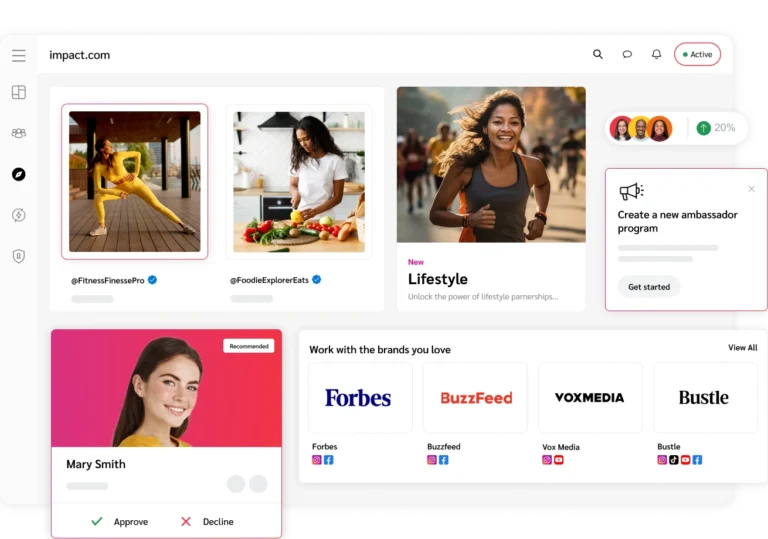
Discover & Recruit
Discover a limitless number of global partners—and add them to your partnership program with ease. Save time with powerful discovery and recruitment automation.
- Engage with customers at every stage of the buyer’s journey
- Find partners, no matter where they are
- Access key partner information to ensure the perfect match
- Turn prospects into partners with ease
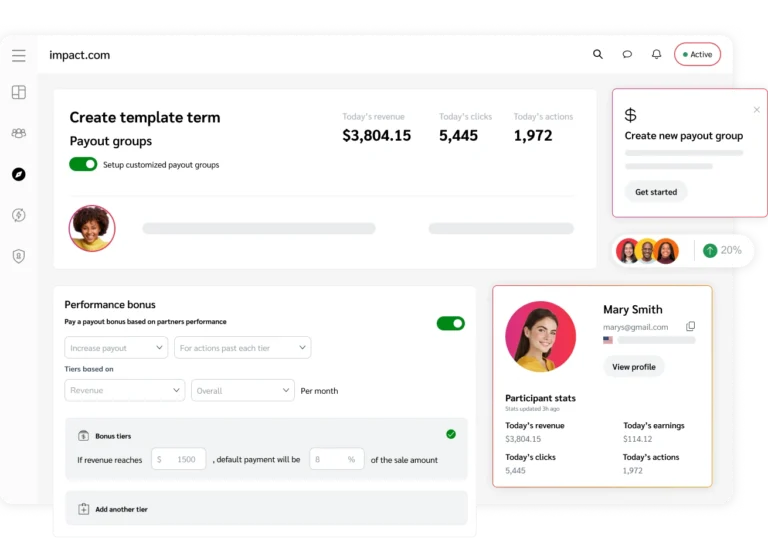
Contract & Pay
Choose your business outcomes, then reward the partners that drive them.
- Align payouts to value
- Participation bonuses reward all contributions
- Pay at any point in the conversion funnel
- Spark joy for your finance team
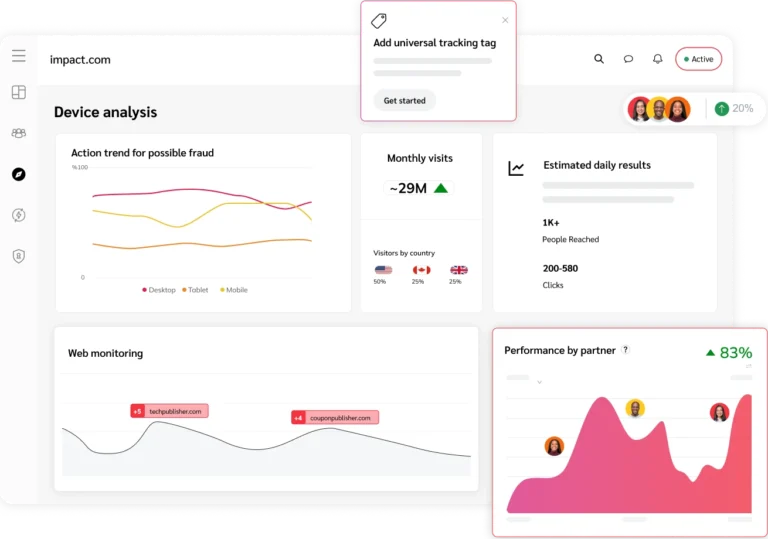
Track
Track the traffic partners drive on all your properties, across any device.
- Your tracking, your choice
- See the whole picture with cross-device tracking
- Future-proof your program
- Streamline the user experience with TrueLink™
- Make privacy a priority
- Track partner-side impressions, STAT
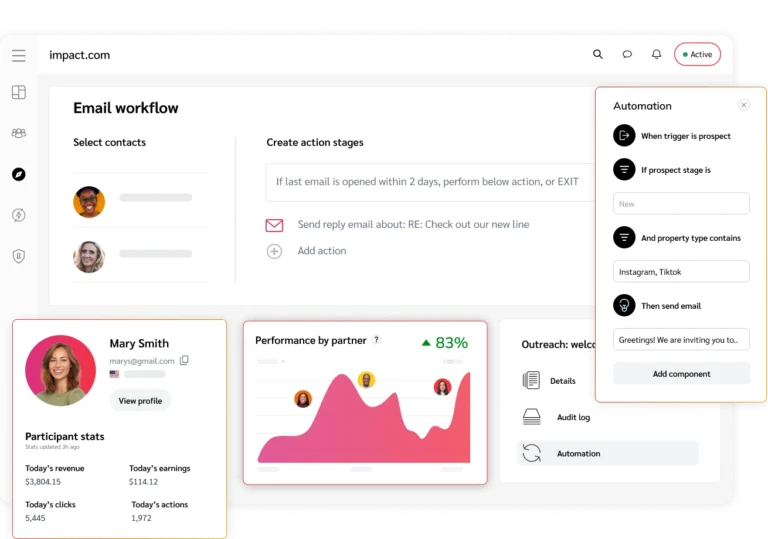
Engage
Proactive messaging and automated workflows make sure partners stay informed, productive, and on-brand.
- Tell compelling stories with visualized data
- Stay in the know with 40+ performance reports
- Streamline creative and offer management
- Automate your partner management workflows
- Feed your need for easy catalog management
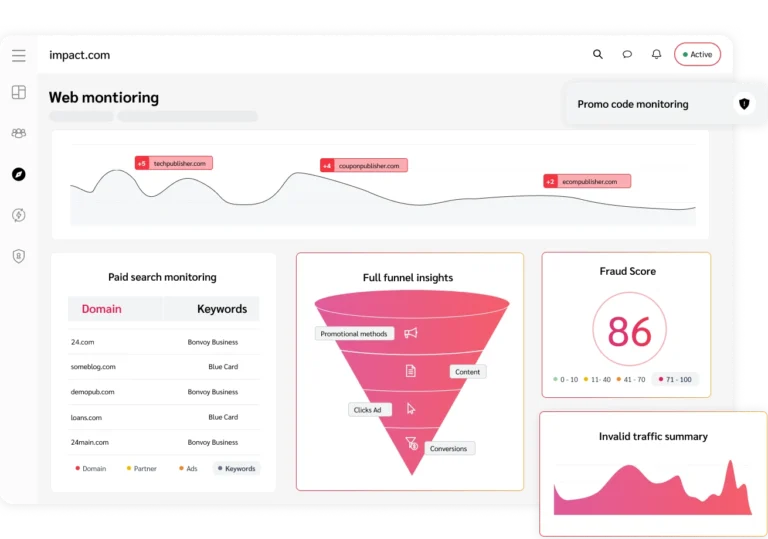
Protect & Monitor
Fortify your partnerships with full-stack protection across the entire consumer journey. Automate the daily monitoring and remediation of issues that could result in partner non-compliance. Expose affiliate fraud, influencer fraud, and traffic abnormalities wherever they corrupt your conversion paths. Cut out invalid traffic and reinvest spend in high-quality partnerships.
- Find and resolve keyword violations quickly
- Protect your promo codes from misuse
- Stop paying out for fake leads or conversion events
- Don’t fear the regulator
- Ensure brand safety
Optimize
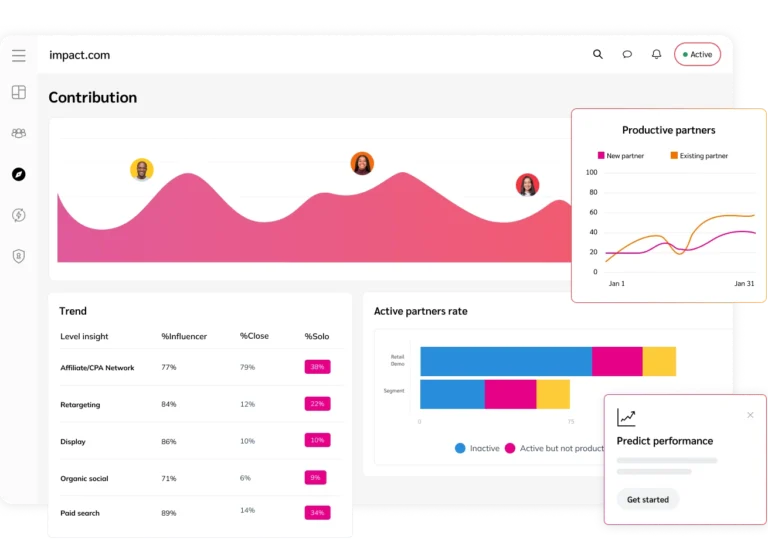
Continually optimize your partnerships for growth and efficiency.
- Predict the future, optimize performance
- Evaluate partner value
- Assess customer lifetime value
- Optimize and grow productive partnerships
We also recommend

Blog
Affiliate marketing in Singapore for 2026: a beginner’s guide for brands

Blog
How do brands pay influencers? A decision tree for matching compensation to goals

Blog
How tech publisher Minty turns invisible shoppers into $120m in revenue through impact.com
