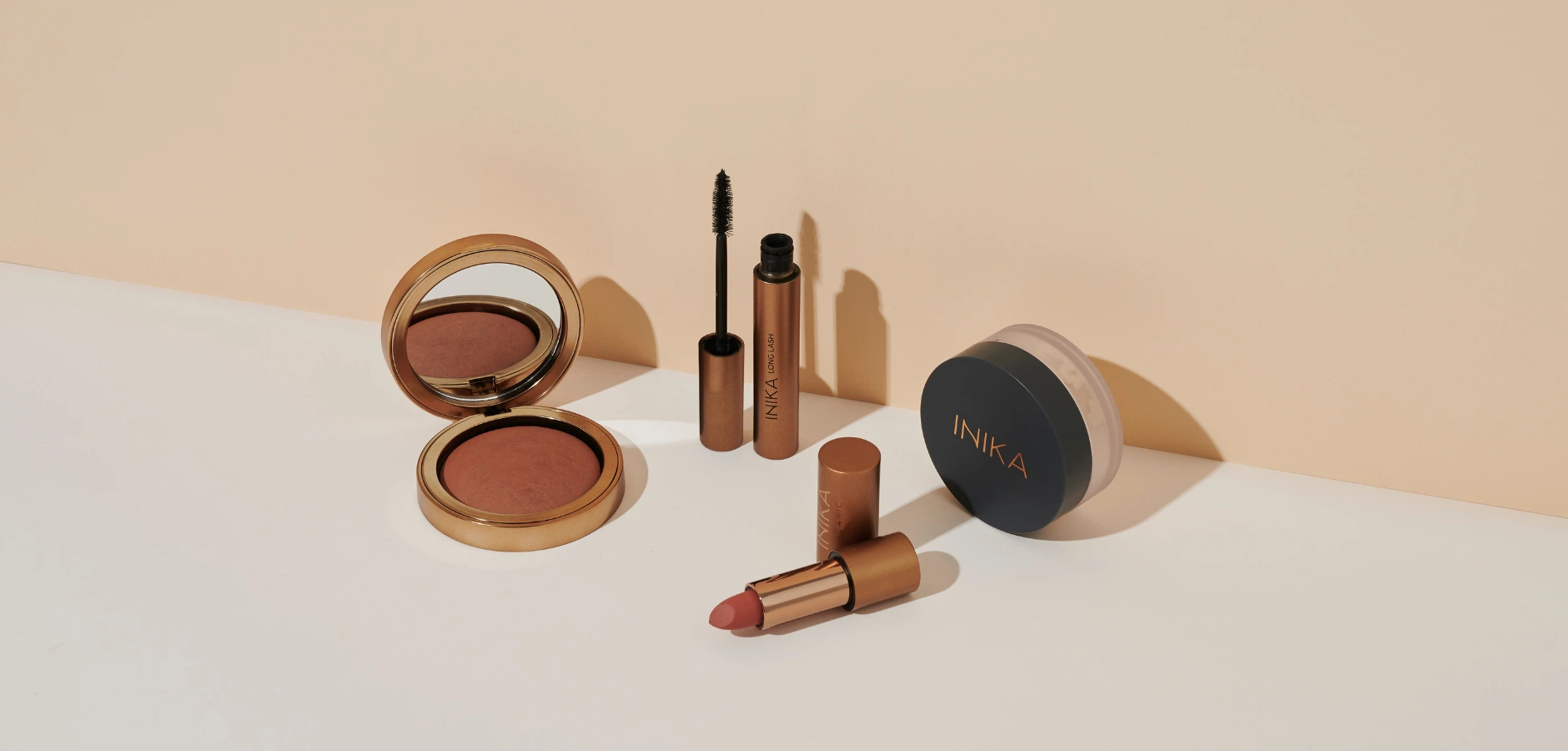

One product trial. Three commercial outcomes. Zero vendor onboarding.
Total Beauty Network (TBN) approached impact.com to test a single feature: post-checkout monetization for its Australian eCommerce site.
Within months, TBN had migrated two separate affiliate programs onto impact.com, expanded internationally (the US and UK,) and launched a commerce content media campaign that drove 30% week-on-week US revenue growth.
No additional sales calls, procurement process, or contracts were needed with each step. This is the story of how sequential platform adoption works when the infrastructure is already in place.

Total Beauty Network is a Melbourne-based, Australian-owned company founded in 2004. Its portfolio spans cruelty-free, vegan beauty brands including INIKA Organic, Designer Brands, Raww Cosmetics, and Colour by TBN.
Phase 1: The checkout monetization test
How it started
TBN’s engagement with impact.com began with an inbound approach from the Business Development team to Strange Animals, TBN’s digital agency. It was a straightforward pitch to test Spot Commerce Media’s post-checkout monetization capability with one of its clients.
Strange Animals is an independent Australian marketing and technology agency with more than 20 years of experience. The agency combines a full-stack in-house team with expertise in affiliate, influencer, and referral marketing to help brands build scalable partnership ecosystems.
Strange Animals brought the opportunity to TBN’s CEO, who directed the evaluation to the Head of eCommerce. The value proposition centered on turning customer interactions that currently generated zero revenue into a monetization opportunity. This meant showing complementary product offers from other brands after purchase completion.
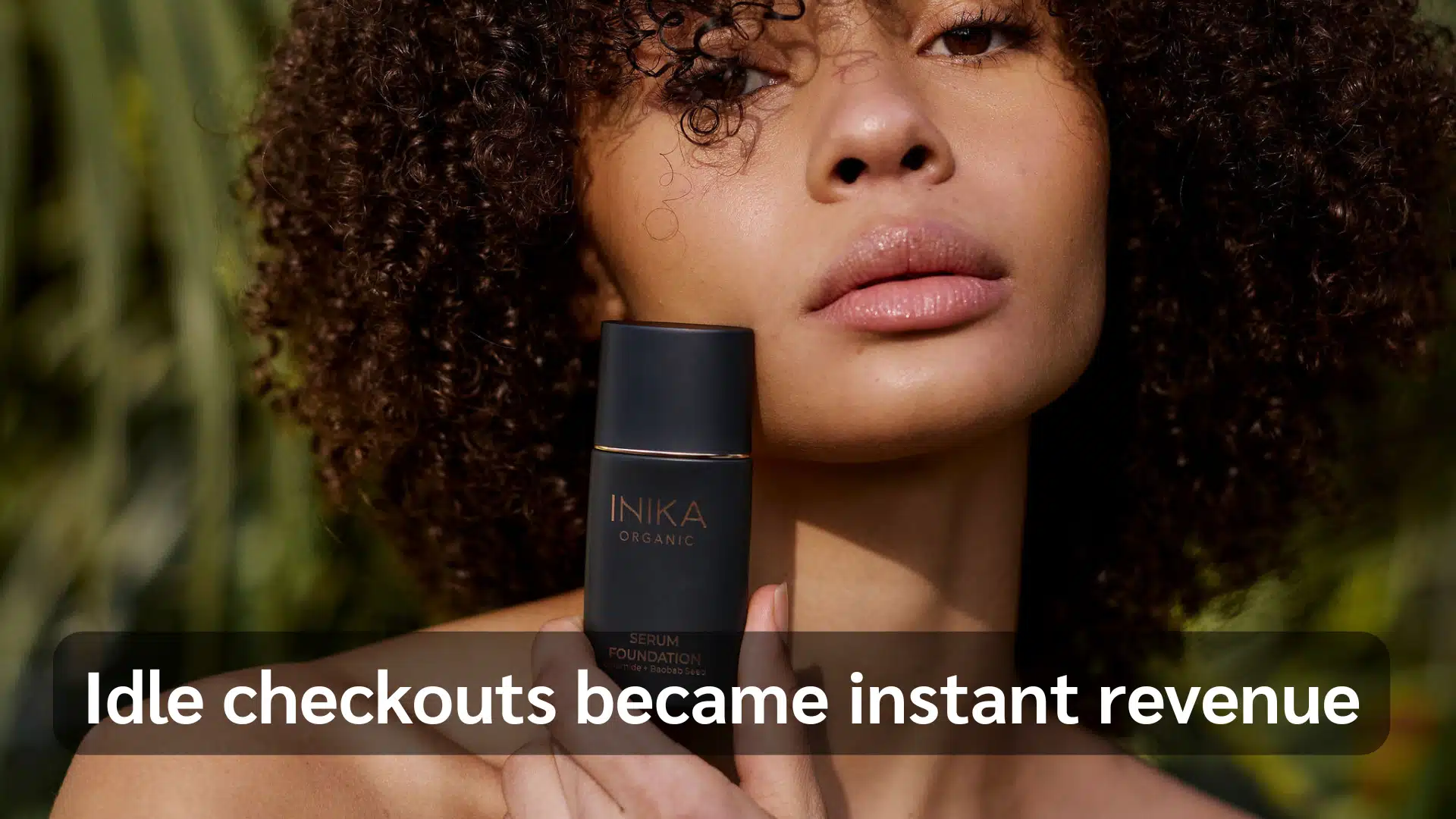
TBN activated the trial on their Australian site. Post-checkout placements went live. The trial generated measurable revenue from checkout flows that had previously been monetized only through the primary transaction.

“We’ve found impact.com to be a trusted partner, and Spot Commerce Media offered an easy-to-understand solution with clear value. It gave us the ability to reach active shoppers quickly, with automated placements, strong performance tracking, and minimal implementation overhead. Being able to switch it on and generate revenue quickly was a major benefit for both the brand and the agency.”
– Royce Zygarlicki, General Manager, Strange Animals
The secondary outcome
Because TBN was already operating within impact.com’s platform infrastructure—tracking was implemented, billing was set up, and reporting was accessible—the conversation about extending into affiliate management didn’t require starting from scratch.
As a result, the post-checkout trial and technology implemented set the foundation for a discussion regarding TBN’s affiliate programs. Strange Animals and the impact.com team proposed a full affiliate program audit. TBN agreed.
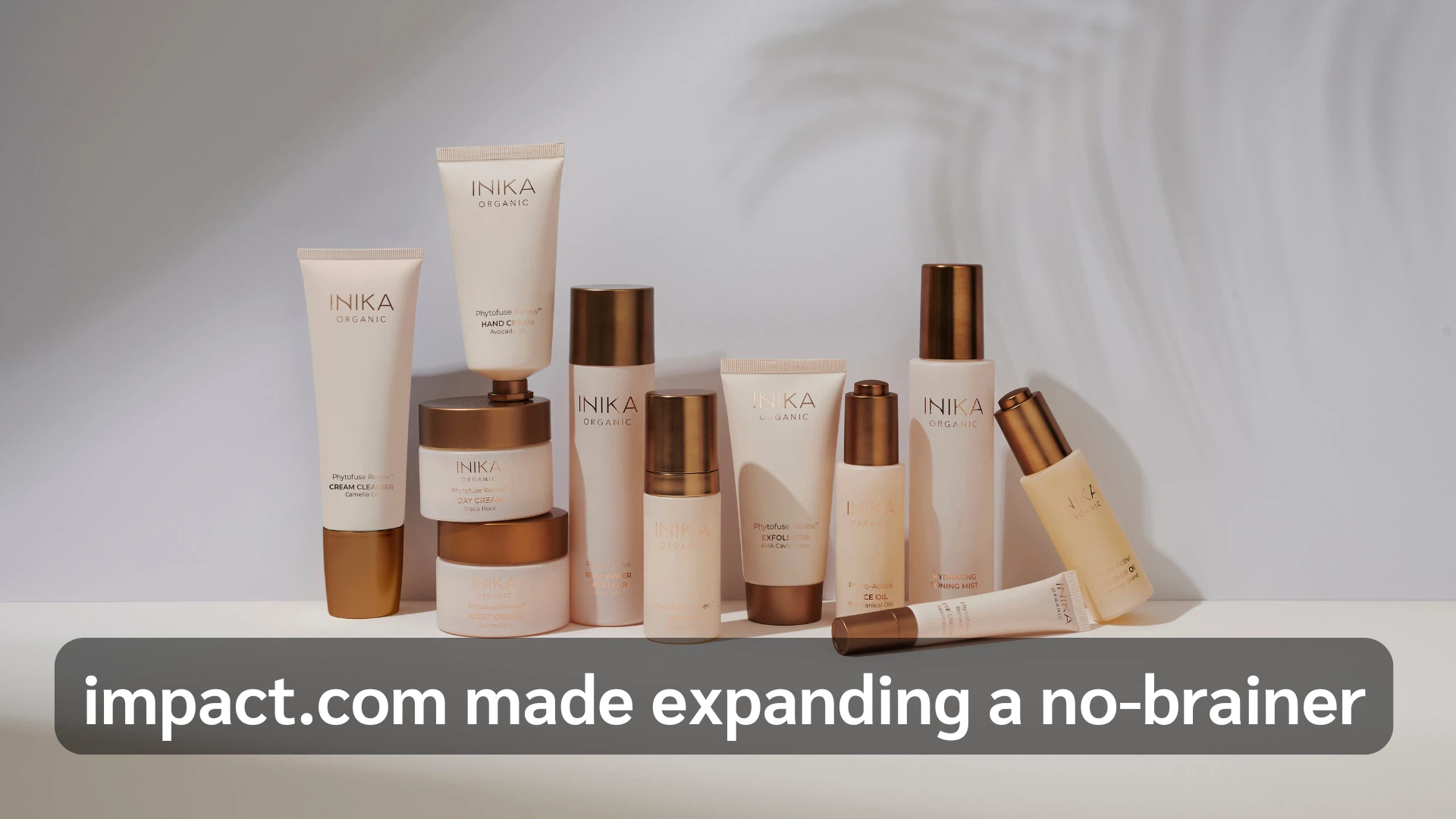
Phase 2: The affiliate program audit
What the audit found
At the time of the review, TBN was running its affiliate program across two separate platforms in two different regions. Strange Animals’ audit identified five structural problems:
| Problem | Impact on business | Solution implemented |
|---|---|---|
| Flat commission structure | Skewed the partner mix toward low-incrementality closers over content-led partners driving new customers. | Tiered commissions by partner type and customer type, with higher rates for new customer acquisition |
| No new vs. existing customer tracking | Couldn’t tell which partners brought new customers vs. intercepted existing ones, making optimization impossible. | Customer-type sales tracking to measure new customer growth by partner and region. |
| Weak recruitment assets | With no value proposition, tiered incentives, or creator messaging, the join page attracted low-quality applicants. | A relaunched join page with a branded value proposition, tiered structure, and creator-specific messaging. |
| Dual-platform overhead | Running separate programs in Australia and the US duplicated workflows and produced incompatible reporting, making cohesive international campaigns difficult. | Consolidated onto a single impact.com account with market-specific configurations |
| Limited international expansion | The dual-platform setup made each new market launch operationally complex, requiring a fresh platform evaluation and potentially a third vendor. | Expanded to Australia, US, and the UK within weeks of migration under a unified framework |
The proposal
impact.com & Strange Animals proposed a five-point restructuring plan:
- Redesign commissioning by partner type and customer type, with higher rates for content and creator partners generating first-time customer transactions
- Implement customer-type sales tracking to distinguish new customer growth by partner and region
- Relaunch the affiliate join page with a branded value proposition, tiered incentive structure, and creator-specific messaging
- Consolidate both programs into a single impact.com account with market-specific program configurations
- Prioritize new customer acquisition through content-led and creator partnership channels
TBN signed a 12-month performance contract, both programs were decommissioned, and the migration started.
What changed
The new tiered commission structure shifted the active partner mix toward content and creator partners. The relaunched affiliate join page generated more than double the number of click-active affiliates within eight weeks.
International program expansion, previously constrained by dual-platform architecture, was completed within weeks of the impact.com migration. The consolidated program went live in Australia, the US, and the UK under a single operational framework.
TBN now had unified tracking, tiered commissioning logic, and new-versus-existing customer attribution across three markets, so the infrastructure was in place.
Phase 3: US Customer Acquisition via Spot
The opportunity
With the affiliate program operational on impact.com, Strange Animals identified US new-customer acquisition as the next growth priority. The challenge wasn’t demand, but operational. How do you reach premium US publishers without direct relationships, extended negotiation cycles, or a dedicated publisher management resource?
Spot Commerce Media addressed this directly. Rather than requiring TBN to identify publishers, negotiate placements, and manage individual contracts, Spot’s network model provided automated access to commerce content inventory across premium US publishers.

Because TBN’s tracking, billing, and reporting infrastructure was already integrated with impact.com through the affiliate migration, activating Spot for US acquisition didn’t require a separate implementation process. Strange Animals and the Spot campaign team configured the campaign inside TBN’s existing impact.com account.
Campaign setup
The campaign focused on high-performing product categories in the US market: skincare, eyes, and foundation. Promotional moments included buy-one-get-one-free and free shipping offers. The pricing model was CPC, managed toward a positive return on ad spend.
Spot distributed TBN’s ads across contextual commerce content—product reviews, shopping guides, beauty editorial—and e-commerce post-checkout pages. Targeting concentrated on beauty and skincare editorial, a contextual alignment that proved to be a performance driver.
Setup was completed within hours. The campaign went from zero US commerce media presence to millions of impressions and hundreds of placements within three days.

Results
Spot’s placements on commerce content drove growth well beyond the clicks and sales captured in campaign reporting – a measurable halo across organic search and new-visitor traffic was recorded with website analytics.
New User Growth – Direct
- Delivered double-digit growth in new customers across the program, driven by directly attributed clicks.
New User Growth – In-direct
- Drove a 6x lift in Google organic Search traffic for INIKA Organic brand and product terms during the campaign period – product placements on commerce content generated search demand among users who did not click through directly.
- Generated approximately 4x more new-user visits than the click events captured in attribution reporting (a ~4:1 ratio), evidencing influence well beyond measured clicks.
- Produced triple-digit growth in new site visitation at peak — new visitors more than tripled in a single week.
Sales Uplift
- Spot delivered double-digit growth in US sales above the normal baseline
- Drove triple-digit sales spikes in targeted product categories
- Returned 3.3:1 on ad spend.
Why it worked this way
Spot gave TBN access to premium commerce content publishers they would not have been able to secure through direct outreach. Traditional flat-fee placements in this tier of publisher typically require $50,000+ commitments and multi-month negotiation cycles. Spot’s network model and CPC pricing eliminated that barrier.
The campaign also benefited from the infrastructure TBN had built during the affiliate migration. Performance tracking, customer-type attribution, and unified reporting were already operational. Strange Animals didn’t need to onboard a new vendor, set up separate tracking, or reconcile data across platforms. The Spot campaign ran inside the same dashboard where they were already managing affiliate partnerships.
The Compounding Pattern
Each phase lowered the cost of the next
| Phase 1 | Phase 2 | Phase 3 |
|---|---|---|
| What happened: Post-checkout Spot trial in Australia generated monetization revenue | What happened: Affiliate audit revealed five structural problems; migration consolidated Commission Factory and Awin onto impact.com | What happened: US Spot acquisition campaign launched using existing infrastructure |
| What it unlocked: Opened conversation about broader affiliate program; tracking and billing infrastructure already in place | What it unlocked: Unified platform with customer-type tracking, tiered commissioning, and international expansion capability | What it unlocked: Campaign launched in hours (not months); no vendor onboarding; unified reporting across affiliate and commerce media |
Phase 1 → Phase 2: The Spot post-checkout trial created trust and technical integration. When the affiliate audit was proposed, TBN wasn’t evaluating a new vendor. Instead, they were expanding a relationship with a platform already embedded in their operations.
Phase 2 → Phase 3: The affiliate migration created unified tracking, billing, and reporting infrastructure across three markets. When Strange Animals proposed a US Spot acquisition campaign, the question wasn’t “Should we onboard another commerce media vendor?” It was “Should we turn on a feature we already have access to?”
The marginal cost of each adoption decision decreased. The evaluation time for each new capability shortened. The operational lift required to activate diminished.

“Spot has made it easy for us to help brands unlock incremental revenue growth through monetization. With Total Beauty Network, we started with post-checkout monetization and quickly expanded into affiliate and customer acquisition – all within impact.com. It’s been exciting to see their US brand reach and sales grow so rapidly.”
— David Burke, Senior Director of Publisher Innovation, impact.com
What this means for platform adoption strategy
TBN’s sequence illustrates a characteristic of multi-capability partnership platforms that isn’t obvious from individual product evaluations: early adoption decisions shape the trajectory of subsequent capability expansion.
A monetization entry point—particularly one that generates measurable value on a short time horizon and operates within existing platform infrastructure—can function as a low-friction precursor to deeper adoption. The value isn’t just the direct revenue from the initial trial. It’s the conversation that trial opens, the trust it establishes, and the infrastructure it puts in place.
For brands evaluating partnership platforms, the question isn’t just “Does this solve my immediate problem?” It’s “What does this make possible six months from now?”
The Outcomes
Three distinct commercial results
- Post-checkout monetization: Revenue generated from checkout flows that previously produced no return
- Consolidated affiliate program: Restructured commissioning, international expansion into US and UK, more than doubled the click-active affiliates within eight weeks
- US customer acquisition: 30% week-on-week revenue growth, 6x organic traffic uplift, 108% increase in new users, campaign live within three days
Operational efficiency gains
| Before (Dual Platform) | After (impact.com) |
|---|---|
| Platform management: One in Australia + a different one in the US = separate workflows, incompatible reporting, duplicated processes | Platform management: Single login for affiliate + Spot across all markets; unified tracking and reporting |
| Commerce media activation: Months of publisher negotiation + $50K+ flat fees + separate vendor onboarding | Commerce media activation: Hours to setup + CPC pricing + no vendor onboarding (already integrated) |
| International expansion: Each new market = evaluate which platform to use + potential third vendor + separate setup | International expansion: Expanded to Australia, US, and the UK within weeks under a unified framework |
| Contracts and billing: Separate contracts, insertion orders, email negotiation with each publisher; multiple billing cycles | Contracts and billing: Consolidated billing and payment processing; no separate contracts or manual negotiation |
Further reads:
- 14 high-paying beauty affiliate programs that you’ve never heard of (up to $50 per conversion) | blog
- 4 tips for successful beauty brand partnerships | blog
- Beyond promotion: How creators add value through authentic affiliate partnerships | blog
- How to find fashion influencers you can actually invest in (not just pay) | blog