Find partners that match your ambition
impact.com is the partnership management platform connecting brands with affiliate publishers, creators, and advocates to drive measurable results and revenue.
Brands
Grow your brand with partners already reaching your target audience.
Managing partnerships at scale?
Manage every partner type—affiliates, creators, publishers, B2B—in one platform.
With the attribution that proves what’s working.
Creators & Influencers
Monetize your audience with brand partnerships that match your ambition.
Get discovered by the right brands.
Manage every deal in one place.
Get paid accurately in 70+ currencies.
Affiliate publishers
Turn your content into revenue with the right brand partners.
Connect with brands your audience will respond to.
Every type of partnership.
Payments that keep paying off.
Partner with anyone. Track everything. Pay for results.
Most affiliate networks were built for a simpler era—one partner type, last-click attribution, manual payments. impact.com was built for how partnerships actually work now.
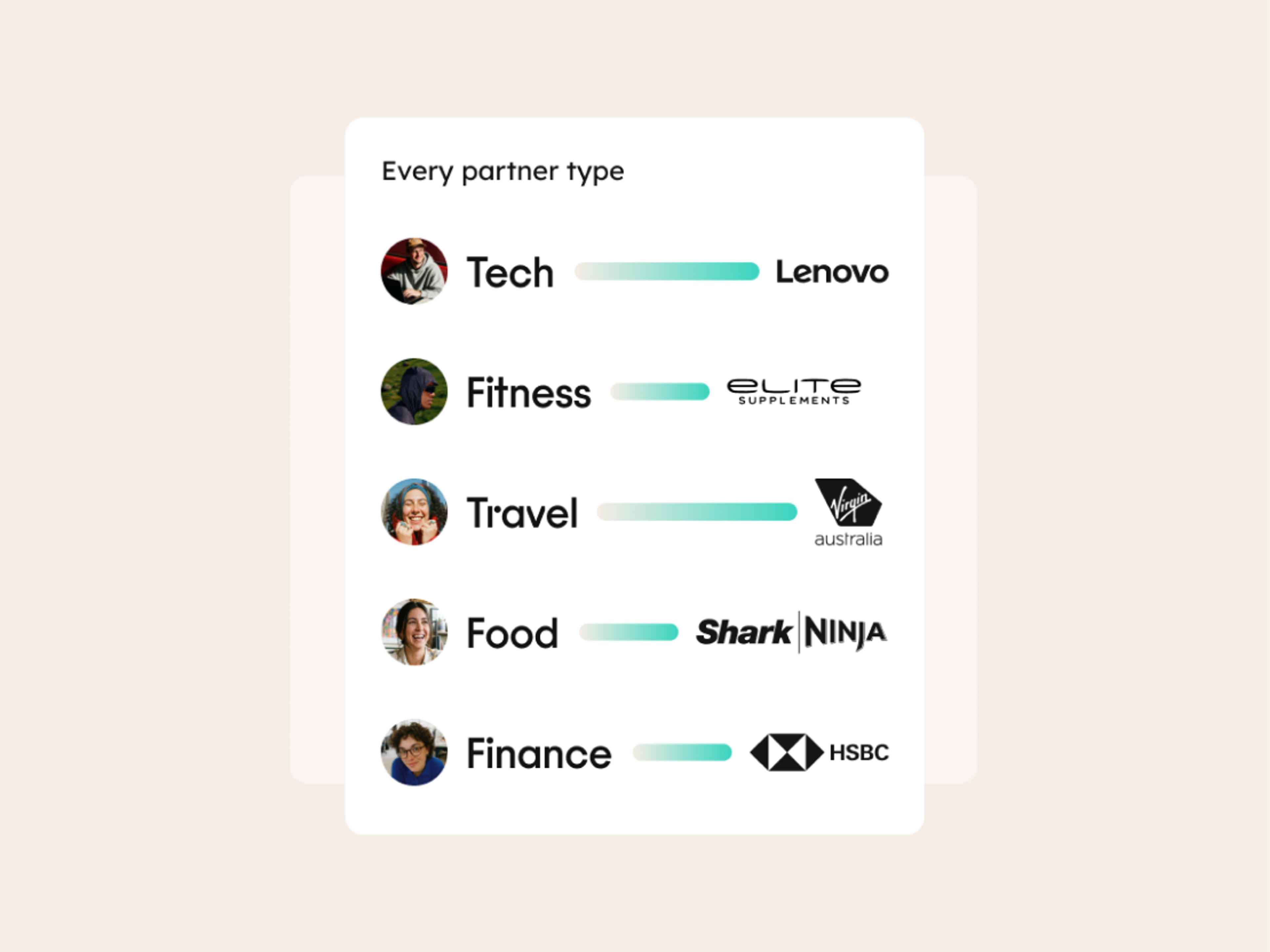
Every partner type—one platform
Affiliates, creators, publishers, B2B partners, customer referrals—managed in one place, no juggling platforms. AI-powered search finds the right fit across 25m+ creator profiles.
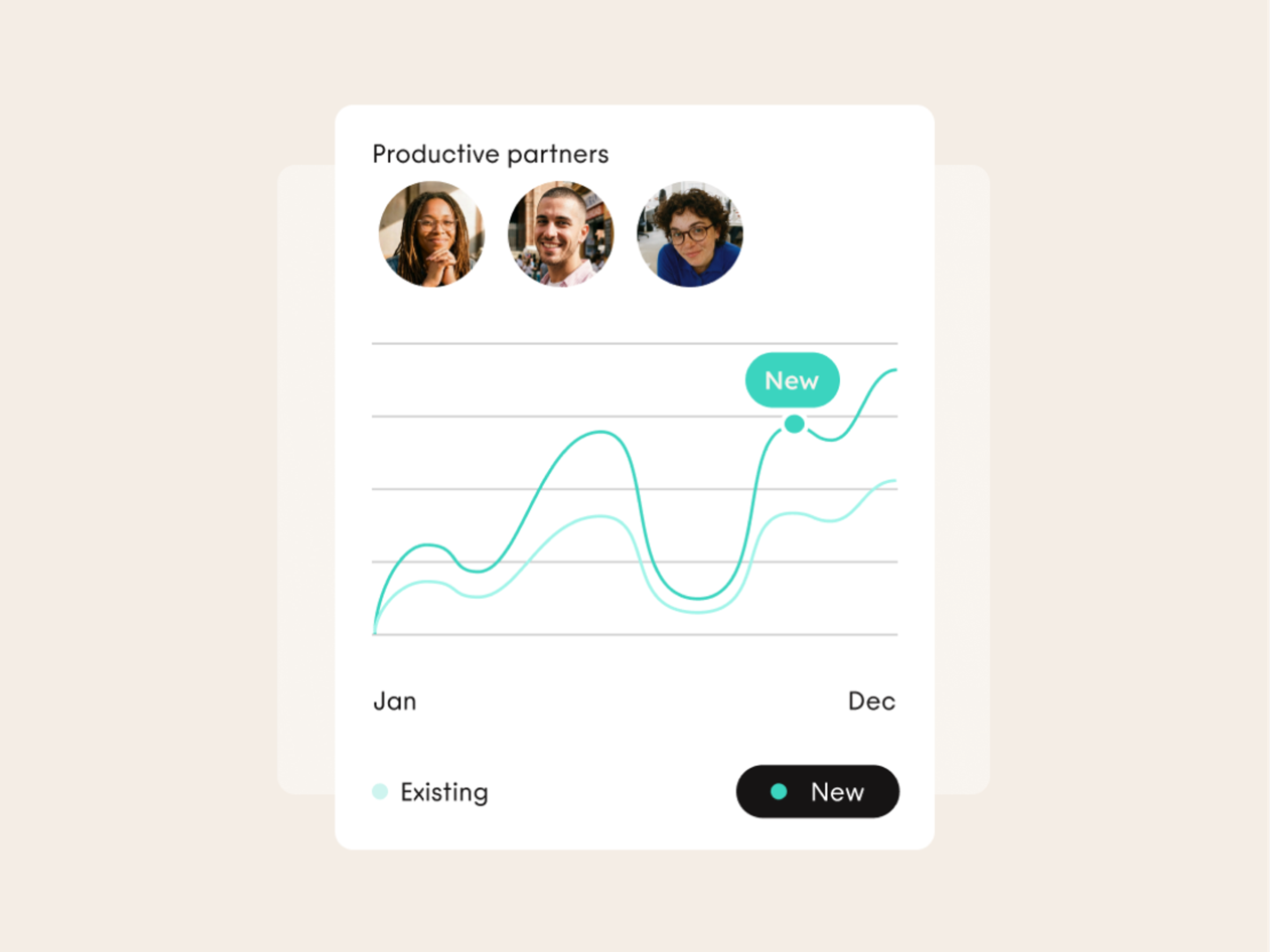
One source of truth
Full-funnel attribution beyond last-click. See which partners drive incremental revenue, not just who touched the sale last. Cross-channel deduplication cuts wasted commission spend by 10–25% on average.
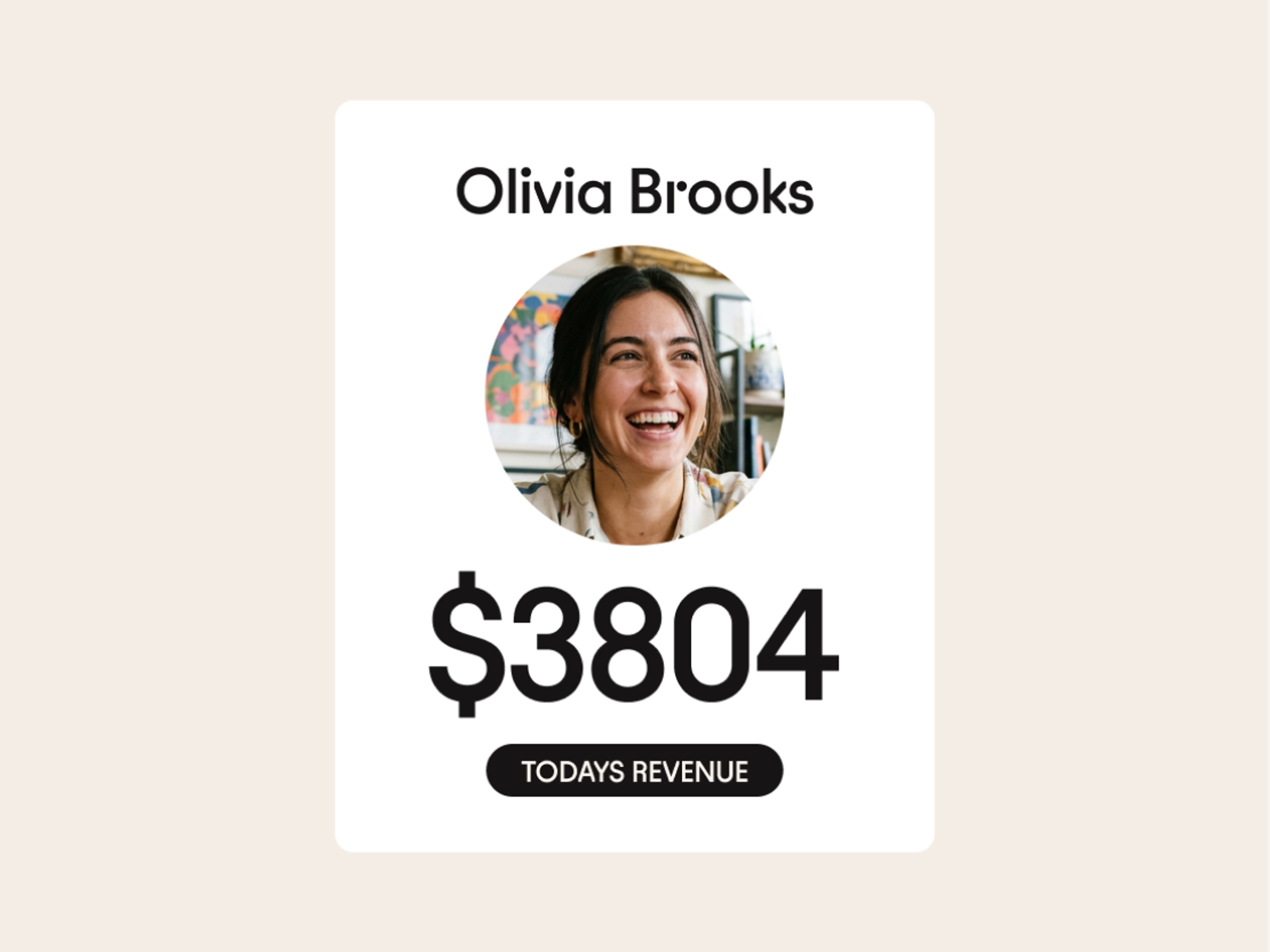
Commissions that flex with your goals
Pay more for new customers, high-margin SKUs, or long-term subscribers—automatically, in 70+ currencies. Dynamic commissioning adjusts payouts in real time as customer value shifts.
CREATOR ECOSYSTEM
The creators your customers already trust
6,500+ brands on impact.com have the opportunity to work with creators across every vertical, every audience size, and every platform. From micro-influencers with 10K followers to creators with millions—the right fit exists.

Petite fashion advocate who refuses to accept “one size fits all” as an answer. Your size, your style, your moment.
GMV
$7.3m
ROAS
8.3x

From debt to wealth-building. She’s mapped the journey and built a community, proving it’s possible.
GMV
$45.9m
ROAS
8.7x
Personal finance doesn’t need to be complicated. Charlie breaks it into bit-sized moves anyone can execute.
GMV
$858k
ROAS
15x
Freebies, sweepstakes, and the deals nobody else spotted yet. He’s been hunting them since 2011, so he knows exactly where to look.
GMV
$6.4m
ROAS
18.5x

Fashion, beauty, and the steals that make it all stick. Your insider who knows where the best finds live.
GMV
$2.5m
ROAS
7.7x

Independent tech expert helping shoppers make confident buying decisions.
GMV
$13.3m
ROAS
15.3x

Two mini huskies with massive personalities. Trusted by 6m+ dog parents for entertaining content, honest reviews and products worth buying.
GMV
$260k
ROAS
0.8x

Interior designer by trade, deal-hunter by design. She turns houses into homes: elevated, cozy and achievable.
GMV
$22.4m
ROAS
27.6x

Former corporate recruiter turned style strategist. She’s decoded workwear for real bodies at real price points.
GMV
$1.7m
ROAS
14x

Built a community that is chasing the same thing: premium fashion at a price that makes sense.
GMV
$5.7m
ROAS
14.3x

Melissa turned deal-hunting into a system. Her app, her community, her track record: parents saving $1K+ a year.
GMV
$402k
ROAS
11.6x

Creator search
What this looks like in the platform
Search 25m+ creator profiles across Instagram, TikTok, and YouTube. Filter by audience demographics, engagement rate, and brand affinity. Invite to campaign in one click. Already working with Walmart, Adidas, Banana Republic, and Ticketmaster—and thousands of brands like yours.
Most programs outgrow their infrastructure before they outgrow their ambition
Your program is working. But the platform holding it together isn’t built for what comes next. That’s where most brands find us—not at the beginning, but at the ceiling.
400%
growth in new partner sign-ups within six months

“The question wasn’t just how to upgrade our technology—it was how to do it without disrupting the thousands of partners who relied on us.”

Olga Leonteva
Senior Operations Manager
Semrush Affiliate Program

“impact.com gave us the tools to diversify our partner mix and actually see what was driving revenue for the first time.”
90%
fraud
reduction
Does it actually work?
From challenger DTC brands to global enterprises running programs across 29 countries—the results compound.

Scaled a performance creator program from zero. Moved from one-off influencer campaigns to a hybrid commission model that now drives 12% of total sales

Consolidated fragmented programs across 29 countries. 40–50% cost savings in year one. $7.4M in revenue from 293 partners on one platform.


Streamlined partner discovery, cut recruitment time, and built a diversified program that makes paid media look expensive by comparison.


Migrated from a proprietary in-house platform. New partner sign-ups quadrupled in six months without disrupting decade-old affiliate relationships.


“impact.com has delivered substantial cost savings for our brands while also enhancing tracking accuracy, ensuring robust compliance, and providing the confidence necessary to scale effectively.”

Steven Bero
Affiliate Marketing Manager,
IXL Learning
87%
YoY revenue growth
PUBLISHER ECOSYSTEM
Your customers learn and decide from publisher content. Then they buy from you
From niche blogs to major media—impact.com connects you with publishers whose audiences are actively in market for products like yours. Not just clicks. Trust.

CONTENT/REVIEWS, SEARCH/COMPARISON
The publishers your customers trust before they trust you. From product reviews to side-by-side comparisons, this is where research turns into confidence—and confidence turns into a sale.

CARD-LINKED OFFERS, BNPL
Partners that show up exactly when a shopper is deciding how to pay, not just what to buy. Card-linked offers and buy-now-pay-later partners turn the payment screen into another growth channel.
CONNECTED TV, NETWORKS, MEDIA ARBITRAGE
Partners built for scale—connected TV, ad networks, and media placements that put your brand in front of audiences already paying attention. Reach that's tracked and tied to real performance, not just impressions.

FINSERV, LOYALTY & REWARDS, CLOSED USER GROUPS
Partners embedded inside the accounts and programs your customers already trust—banks, card issuers, and loyalty programs. Their audience isn't browsing. They're already engaged.

AI APP DEVELOPERS, CROSS AUDIENCE MONETIZATION
Where the next wave of partnerships is forming—AI-powered app ecosystems and new ways to monetize audiences across channels. Early, but built to grow with you.

DEAL SITES, COUPONS/VOUCHER, CASHBACK/MILES/POINTS/CRYPTO
The partners waiting at the finish line—deal sites, coupon hubs, and rewards programs that turn browsing into buying. When a shopper is one click from checkout, they're the nudge that closes it.

Helping you win with AI
AI changed the game.
We’re changing who wins
Consumers aren’t searching anymore. They’re asking AI. Let’s make sure your brand shows up in the answer, and earns the trust that makes it stick.
RESOURCES
Sharper thinking for smarter partnerships

BLOG
AI doesn't return links anymore. Here's how to make sure you're in the answer.
Search gave you a list. AI gives you a single answer, built from your affiliate and creator partners, not your website. See how to turn your program into an AI visibility strategy.

BLOG
Shoppers bought less often in 2025. Here's why that's the smarter story.
Shoppers clicked more, bought less often, and spent more per order in 2025. See what shifted across 2,368 brands, and how to build a partner mix ready for 2026.

BLOG
Stop searching "fashion influencer." Start matchmaking.
Searching "fashion influencer" gets you the same creators as everyone else. Get the matchmaking framework, plus 14 niche creators already driving results on impact.com.

Your next big win starts here
Managing a serious program? Let’s show you what impact.com looks like for your specific setup.