

Pepperstone used a creator program to enter new Asia-Pacific (APAC) markets as an unknown online trading broker. Every piece of content had to meet compliance standards before it went live, so the team built the program around those requirements from day one. Creators submitted drafts for mandatory review before publishing, and required risk disclosures went directly into their scripts.
From April to September 2025 in APAC, 10 creators produced 46 pieces of content that averaged a 3% engagement rate, according to the case study How Pepperstone scaled its creator program across APAC and LATAM with 18m+ impressions. Organically, those posts drew 1.8m+ impressions, and with paid amplification, the program reached 18m+ impressions and 1.2m+ clicks. In Latin America, the program also produced 92 hard conversions, including new sign-ups and completed user profiles.
Some financial brands leave results like these on the table. If you run marketing at a bank, fintech app, or brokerage, you might wonder whether influencer marketing is a realistic channel for financial services. Review cycles stretch timelines. Creators can push back on scripts. One word can turn safe copy into a risk.
Those concerns are real, but the wait costs less than a regulator shutting down a program that skipped legal review, so bring legal in from the first brief and plan for the timeline.
The programs that clear legal start with six decisions
The benefits of influencer marketing for financial services companies
Financial brands ask people to trust them with their money, and that’s a hard ask in an ad. It usually lands better coming from a creator the audience already follows.
Pepperstone saw this in APAC. Audiences there viewed contract for difference (CFD) trading as complex and meant for professionals, and the brand had little name recognition. Creators changed that in four ways:
- They made a complex product feel approachable. Creators explained CFD trading in everyday terms, and audiences started calling the platform easy and accessible.
- Useful content beats polished promotion. The top-performing creators showed the platform in action through speed tests, walkthroughs, and simple analogies rather than pitching it.
- Engagement ran well above the category. In APAC, engagement averaged 3%, more than three times the 0.89% benchmark for financial services, according to the Pepperstone case study, suggesting education-first content holds attention better than promotion does.
- Each asset worked beyond the creator’s own feed. Pepperstone secured three months of usage rights with the help of impact.com and ran its top-performing creator posts as paid ads on Meta and TikTok.
The program stayed small: nine of its ten creators were micro or nano creators, so the approach doesn’t depend on a celebrity roster.
No matter what size your creator program is, the benefits above only reach the audience if the content clears compliance first, and review is where many programs slow down.
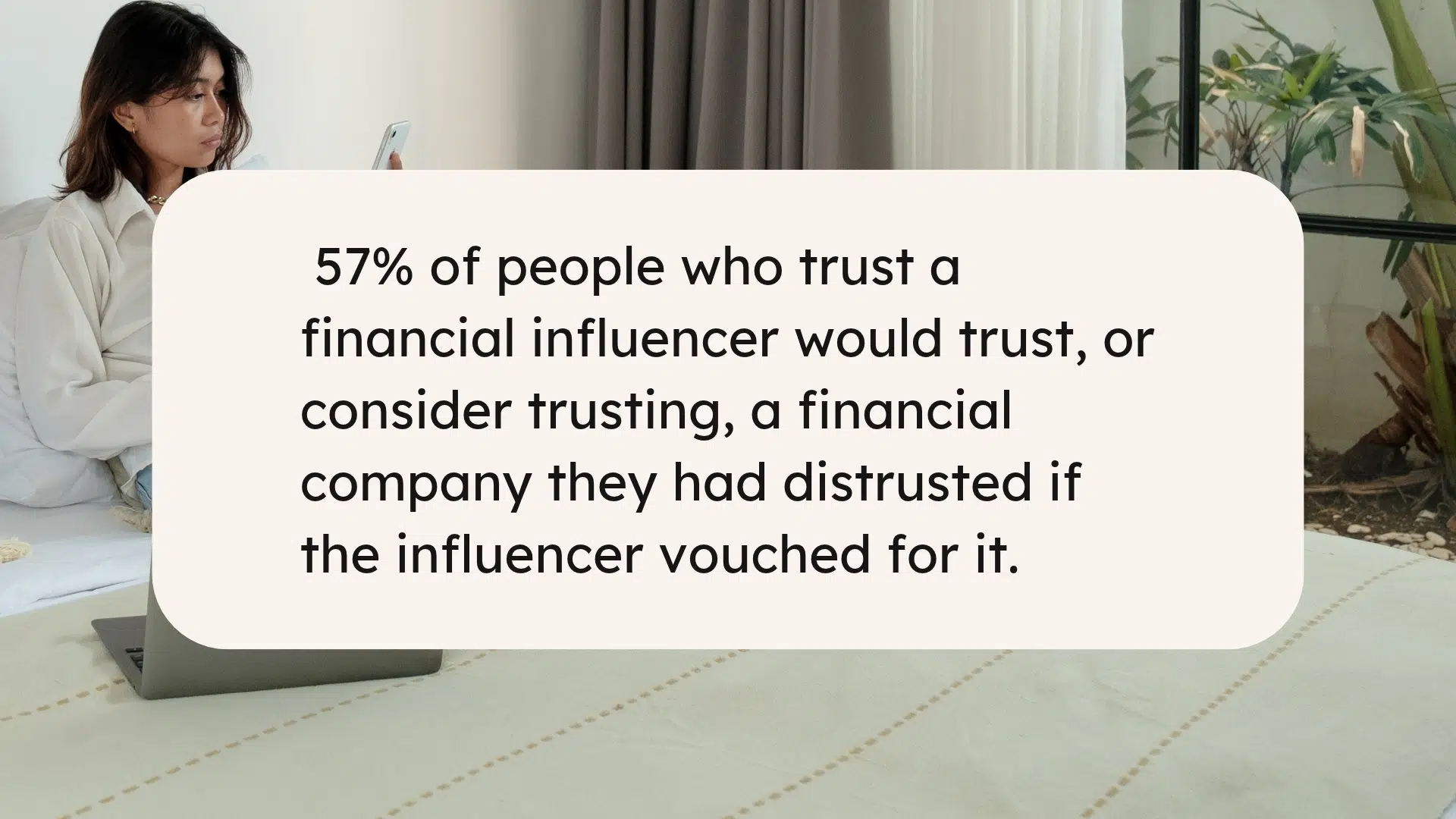
Source: Edelman’s 2026 Trust Barometer Report
Legal review is the main obstacle, and the risk behind it is real
According to impact.com’s internal analysis, legal and compliance review is the challenge impact.com hears about most consistently. Nothing goes live without legal’s sign-off, so brands set compliance rules upfront and built the approval path before any content existed.
Reviews go beyond approving scripts:
- Compliance teams need an audit-ready record of every creator post, so they can prove the disclosures the Federal Trade Commission’s (FTC) 2023 Endorsement Guides call for were in place if anyone challenges them
- They also need to check the comments under those posts. Monitoring tools built for a brand’s own channels can’t see creator accounts, so teams often end up reviewing and archiving that content by hand.
Tari Pillay, Creator Campaign Manager at impact.com, described a financial brand that ran creator content on its own, before it worked with any marketing agency and before it had legal dos and don’ts. “One creator’s wording was taken differently than intended,” she says, “and a competitor decided it was about them. The brand got into quite a bit of trouble because of that and so did the creator.”
Reviews scrutinize wording this closely because sometimes it’s “one word that can take a sentence or a headline from legal to not legal,” Pillay says. Her team helped the brand build its guidelines afterward.
Brands new to creator marketing often don’t know where to start with compliance guidelines. Pillay’s team starts by asking them to bring someone from legal, then builds the review workflow with them from scratch. That adds time at the start, but a workflow that’s already built is what shortens later reviews.
The real cost of compliance-first design—and why it’s still worth it
Designing compliance costs time and money, but skipping it costs more. Here is what that costs in weeks and in fees.
Review adds weeks to your timeline
In Pillay’s experience, a standard review of influencer content for a client outside financial services runs about five to 10 working days. Financial brands add more layers. Marketing reviews first, legal follows, and sometimes a third-party partner that brought in the client reviews too.
In one of her current campaigns, those layers stretched each review period to about 15 days, adding up to nearly a month and a half of waiting. Build that review time into the launch plan and tell stakeholders before kickoff, so the delay reads as planned rather than a miss.

Long waits make creators more expensive
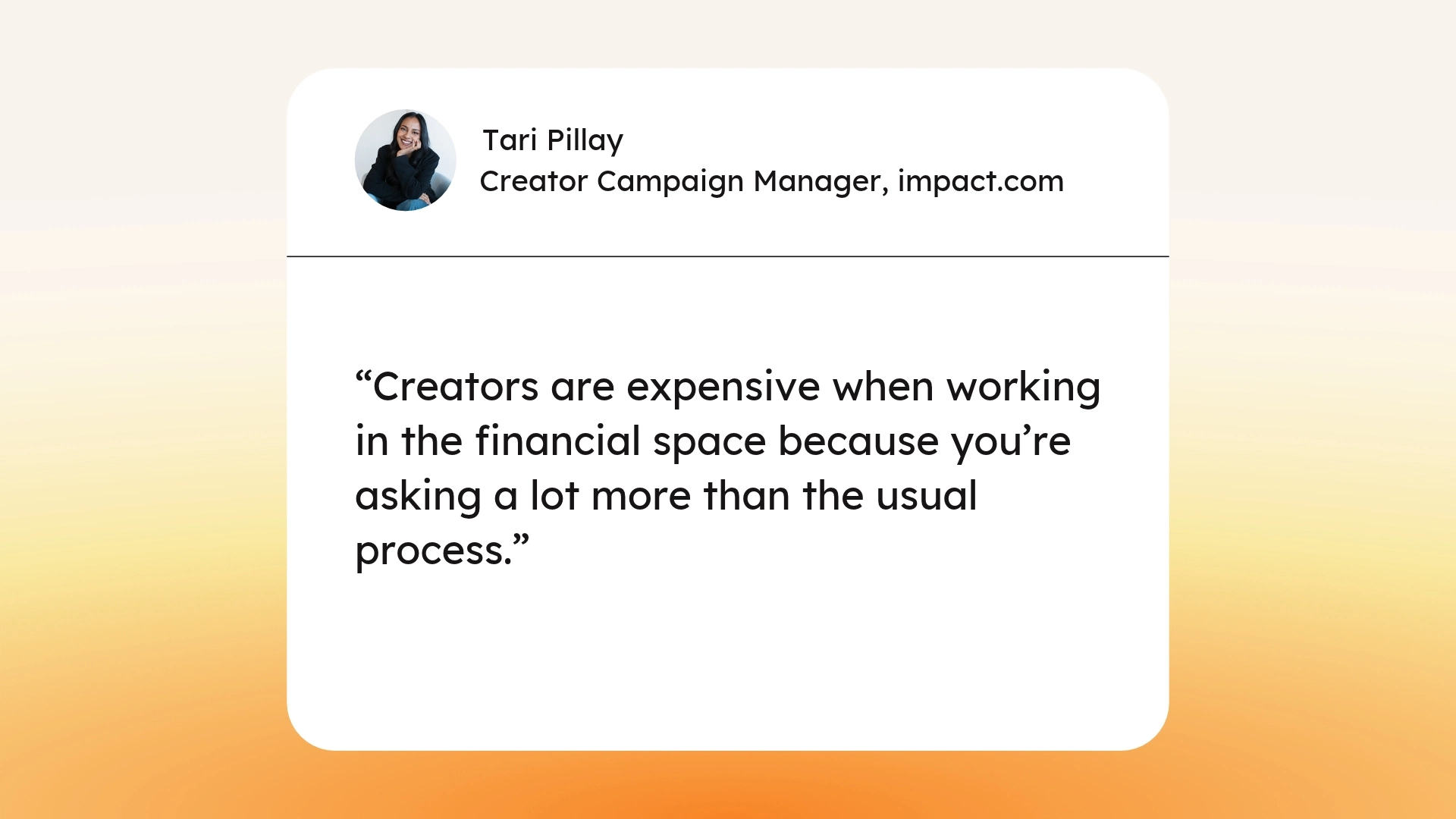
Creators notice when a campaign drags. When review pushes a launch months out, some pull away, and the ones who stay ask for a higher fee and a shorter exclusivity window. Brands often read that as creators being difficult, but Pillay sees it as fair pricing: “They’re expensive because you’re asking a lot more than the usual process.”
When brands see higher fees and tighter exclusivity requests, they often wonder why creators are being difficult. “Creators are expensive when working in the financial space because you’re asking a lot more than the usual process,” says Pillay.
Exclusivity matters to both sides. For brands, even a subtle hint of a competitor in a script can create legal trouble. Creators guard exclusivity just as closely. If a finance creator promotes a rival weeks later, audiences may stop trusting them.
Put the fee and exclusivity terms on the table before a creator commits, so nobody has to renegotiate halfway through the wait.
Skipping legal review costs more
One financial brand ran a large creator program without pre-approving content. A regulator flagged it, and the brand shut down the entire program. The relaunch is smaller, and every piece is approved before it goes live, which the team described as not scalable.
That brand now has the slow review it skipped, plus a program to rebuild from scratch.
A clear review process also keeps a campaign moving. Pepperstone had creators submit drafts through a central review step before anyone published content.
You don’t have to design that process alone. Pillay said that bringing an experienced partner into the workflow speeds up the process, because her team reuses review workflows from past campaigns and adjusts them to each brand’s guidelines.
Weeks of review are hard to plan around initially, but they cost less than a regulator shutting down a program that skipped legal review.
A 6-step path to creating a financial services influencer marketing program legal will approve
Building a program legal will approve comes down to six decisions, starting before any creative work.
1. Hold a legal kickoff before the creative brief
Start with a meeting about compliance terms and nothing else. Pillay asks financial brands about legal dos and don’ts on the kickoff call for every brand. She also asks the brand to bring a representative from legal.
Here’s how to run it:
- Ask your legal contact to bring guidance from past marketing work, not only influencer work. Anything that shaped how the brand presents itself to the public gives you a place to start.
- Leave with a legal dos and don’ts document. It covers hashtags, approved and banned language, and how creators can mention competitors.
- Build that document into the creator contract, separate from the creative brief. Creators see the rules in writing before they create anything. Some of Pillay’s clients do this because the stakes are so high.
By the end of that meeting, legal had helped write the rules rather than waiting to react to them.

2. Map the review workflow and who signs off
Decide who reviews content, and in what order, before any content exists. Then walk creators and your team through that path.
A workable order looks like this:
- Marketing reviews first.
- Legal reviews next.
- Any partner or intermediary involved in your program reviews last.
Ask creators for scripts before the camera rolls, and tell them why. Creators who already work in finance tend to take this in stride.
3. Tell creators the script rules before they say yes
Creators used to full creative freedom may balk at extensive script requirements, so tell them before they commit. At first outreach, send a short pre-brief instead of the full creative brief.
The pre-brief covers three things:
- What the campaign is about
- That the creator has to send a script
- About three themes the content has to stick to
Creators know the terms from the start, so they can say no early or accept knowing there will be more handholding.
Creators who specialize in finance have usually seen these rules before. “They don’t push back on that at all,” Pillay says. Creators from other categories, like travel, are used to more creative control and need the extra explanation.
It also helps to explain why the rules exist. Pillay’s team runs video calls and webinars with creators so they understand what’s at stake. Creators can land in the same trouble as the brand, so the rules protect them too.

4. Cast creators whose unique voice survives a script
Decide your casting strategy first, because it sets how tightly you can script the content before it stops sounding like the creator. IZEA’s 2025 Trust in Influencer Marketing report found that 77% of survey respondents preferred influencer-created content over scripted advertising from marketing professionals. That preference means that the tighter you script a creator, the more of that advantage you risk losing.
One fintech brand is designing its advocacy program around long-tenured, ordinary customers instead of thought-leader creators, betting that authenticity builds trust a script can’t.
To build the list, start with three moves:
- Narrow your list to about 12 creators
- Write out each creator’s niche, such as student budgeting or family budgeting
- Send each creator a past video of theirs with a short brief, and ask them to keep that voice
Casting by niche keeps each story the creator’s own. The product message stays fixed, and each creator tells it through their own life. A student budgeter and a family budgeter can both talk about the same bank card. Creators benefit too. “They want to keep the content authentic to themselves and authentic to their voice,” Pillay says.
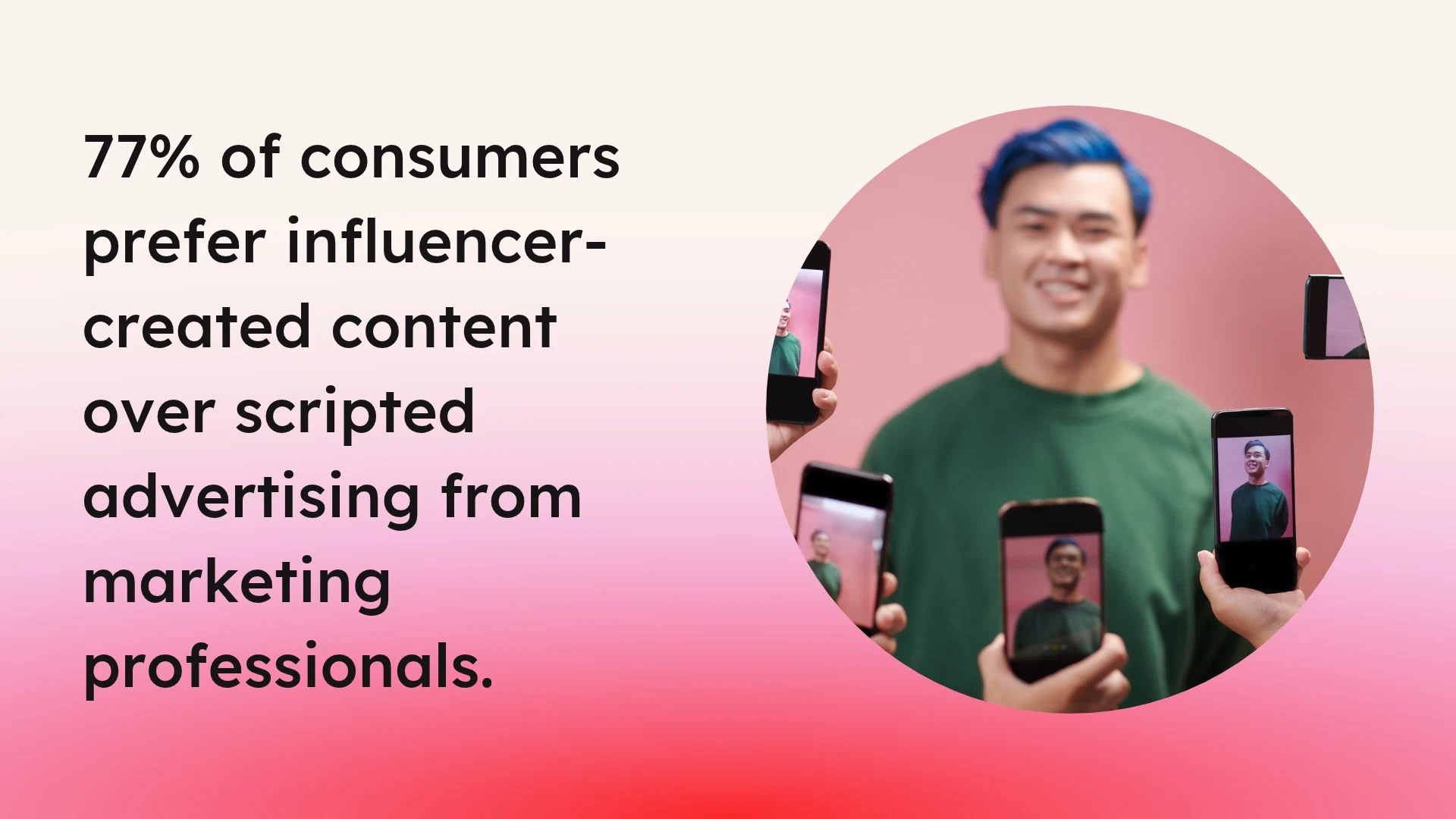
Source: IZEA’s 2025 Trust in Influencer Marketing report
5. Match the compensation model to the program type
Financial brands ask creators for more than most other kinds of campaigns do. Creators submit scripts, wait through longer reviews, and often agree to exclusivity—and they price that work in. The result, says Pillay, is that pay “is just higher than your normal campaigns.” How brands pay creators often depends on the type of program.
| Program type | Structure | When it fits | Watch-out |
|---|---|---|---|
| One-off post | Flat fee | One piece of content that runs for a few months, then comes down | Pay still runs higher than normal campaigns |
| Ongoing, evergreen program | Hybrid compensation model of base fee plus commission, such as 10% of each sale plus about $500 a month | Creators who stay on the program with no set end date | Commission rules vary by brand, so ask legal first |
For ongoing programs, Pillay recommends the hybrid setup: “If this creator gets a sale, then they get 10% of that sale plus a base fee of like $500 a month.” It’s the structure she found most successful with finance brands.
Exclusivity can push the fee higher. “If a finance creator is working with one bank, the chances of them working with another bank within at least three months after that is going to be very low,” Pillay says. Creators who sign on give up that work, and some price it in.
A base fee plus commission can keep creators motivated, but in financial services, pay is also a regulatory question. Rules on commission vary by brand, so ask legal about pay structure at the kickoff meeting, before you make any offers.
6. Set success metrics before launch
Pick your influencer marketing success metric before launch. Then when leadership asks whether the program worked, you can answer with a number you chose in advance.
Financial brands tend to use influencer marketing for one of two jobs, and each one calls for different numbers.
| Program job | Core metrics | Question it answers |
|---|---|---|
| Acquisition | Incrementality (customers who wouldn’t have signed up without the creator), customer acquisition cost (CAC), return on ad spend (ROAS) | Is the program bringing in customers, and at what cost? |
| Trust | Share of voice (how much of the category conversation your brand earns), trust-perception lift (how much audience trust in your brand rises) | Is the brand becoming more familiar and credible? |
Set the bar early. If you’ll have to justify the channel to leadership, define a CAC and ROAS efficiency target before launch and report by creator and funnel stage, so you can show which creators built awareness and which drove sign-ups. If the program exists to build trust, don’t make conversion your first measure. Focus on metrics like share of voice and perception lift.
Book the legal kickoff before you brief a single creator
The review delay is the price of entry for influencer marketing in financial services, but it becomes easier to navigate once a workflow is in place. A dos-and-don’ts document that legal helped write becomes the starting point for the next campaign, and brands that arrive with a workflow already built let their partners adapt to it rather than build it from scratch.
Start with a calendar invite to legal and one question: how many days do you need for each review? Write that number into your launch plan before you promise anyone a date.
The programs that scale in this channel will be the ones where legal already trusts the process by the second campaign.
Discover more about influencer marketing compliance and how to build a brand-safe creator program:
- Navigating influencer marketing compliance [blog]
- How to build an influencer marketing strategy: a complete planning framework for 2026 [blog]
- Affiliate marketing for financial services: Bridge the trust gap [blog]
FAQs
Financial brands choose compliant influencers by screening for how a creator works, not just who they reach. The strongest candidates are willing to submit scripts and accept review, have experience with financial brands (finance specialists tend to expect these rules), and have past content that fits your legal dos and don’ts.
According to the case study How Pepperstone scaled its creator program across APAC and LATAM with 18m+ impressions, Pepperstone’s program used impact.com’s Creator Search and Marketplace tools to vet and source creators on geographic compliance, audience relevance, and cultural fit.
Measure financial influencer campaign ROI against the job your program has to do, and set the metric before launch. For acquisition, track incrementality, customer acquisition cost (CAC), and return on ad spend (ROAS). For trust, track share of voice and trust-perception lift.
Financial services marketers can draw on affiliate and partnership marketing, influencer and creator marketing, content marketing and SEO, email and lifecycle marketing, and paid search and paid social. Creator marketing fits a category where people think twice before trusting a brand with their money, because creators already hold their audience’s trust.
According to the case study How Pepperstone scaled its creator program across APAC and LATAM with 18m+ impressions, creators translated trading mechanics into everyday language for APAC audiences who saw contracts for difference (CFD) trading as complex and intimidating. Creator content also keeps working after it goes live and can be repurposed on other channels.